Aerial silk performers carry sky-high tension through the lats, teres major, forearms, and grip flexors, and standard recovery advice rarely accounts for that load pattern. The best foam rollers for aerial silk performers with lat and grip soreness are dense enough to access the upper back's broad sheet of fascia, narrow or textured enough to dig into the forearm extensors, and durable enough to survive daily climb-day recovery. In this 2026 guide we cover roller density, length, surface texture, and vibration features that matter for aerialists, then recommend specific picks for lat rollouts, grip flushing, and post-show decompression.
Why aerial silk training demands a specialized recovery approach
Climbing, wrapping, and inverting on a silk loads the latissimus dorsi eccentrically while the forearm flexors fire isometrically for minutes at a time. That combination produces a distinctive soreness map: a deep ache under the armpit and along the bottom edge of the scapula, plus a forearm pump that lingers for a day or two after heavy drop sequences. Generic recovery routines built around quads and glutes miss most of this entirely. A roller appropriate for aerialists has to do three things well — span the full length of the lat with the arm overhead, target the small grip muscles without bruising bone, and resist deformation over months of daily use. The right foam rollers for aerial silk performers tick all three boxes without forcing you to own four different tools.
What to look for in a roller for lat and grip soreness
Density and EPP construction
Lats need firm input to push through the latissimus into the underlying serratus and intercostals. Soft EVA rollers compress under bodyweight and never reach the deeper layers. Look for high-density EPP (expanded polypropylene) rated around 4-6 lb/ft³ — these hold shape under a 150+ lb aerialist and still feel forgiving on inflamed tissue. Anything labeled "beginner" or "soft" will frustrate a working performer within a week.
Length: 13 vs. 18 inches
A 13-inch roller is portable for tours and studio bags, and the shorter span lets you angle it diagonally under one lat at a time. An 18-inch roller spans both lats simultaneously and doubles as a thoracic extension prop for opening up the chest after long sessions in inverted shapes. Most pros keep one of each — short for travel and forearms, long for home recovery.
Surface texture
Smooth rollers slide over skin and work well for broad lat flushing. Grid-textured surfaces with raised ridges and channels mimic the thumb-and-fingertip patterns a manual therapist would use, which is useful when you're trying to break up a specific knot below the scapula. For grip soreness specifically, a textured roller offers more feedback than a smooth one.
Vibration
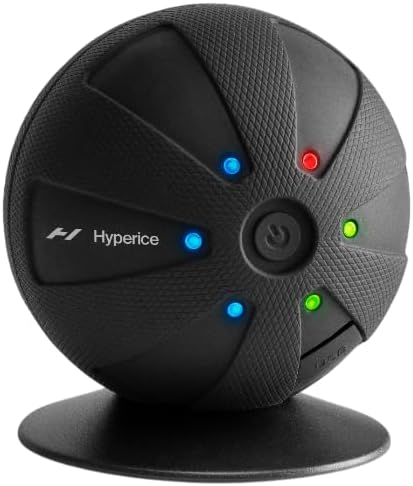
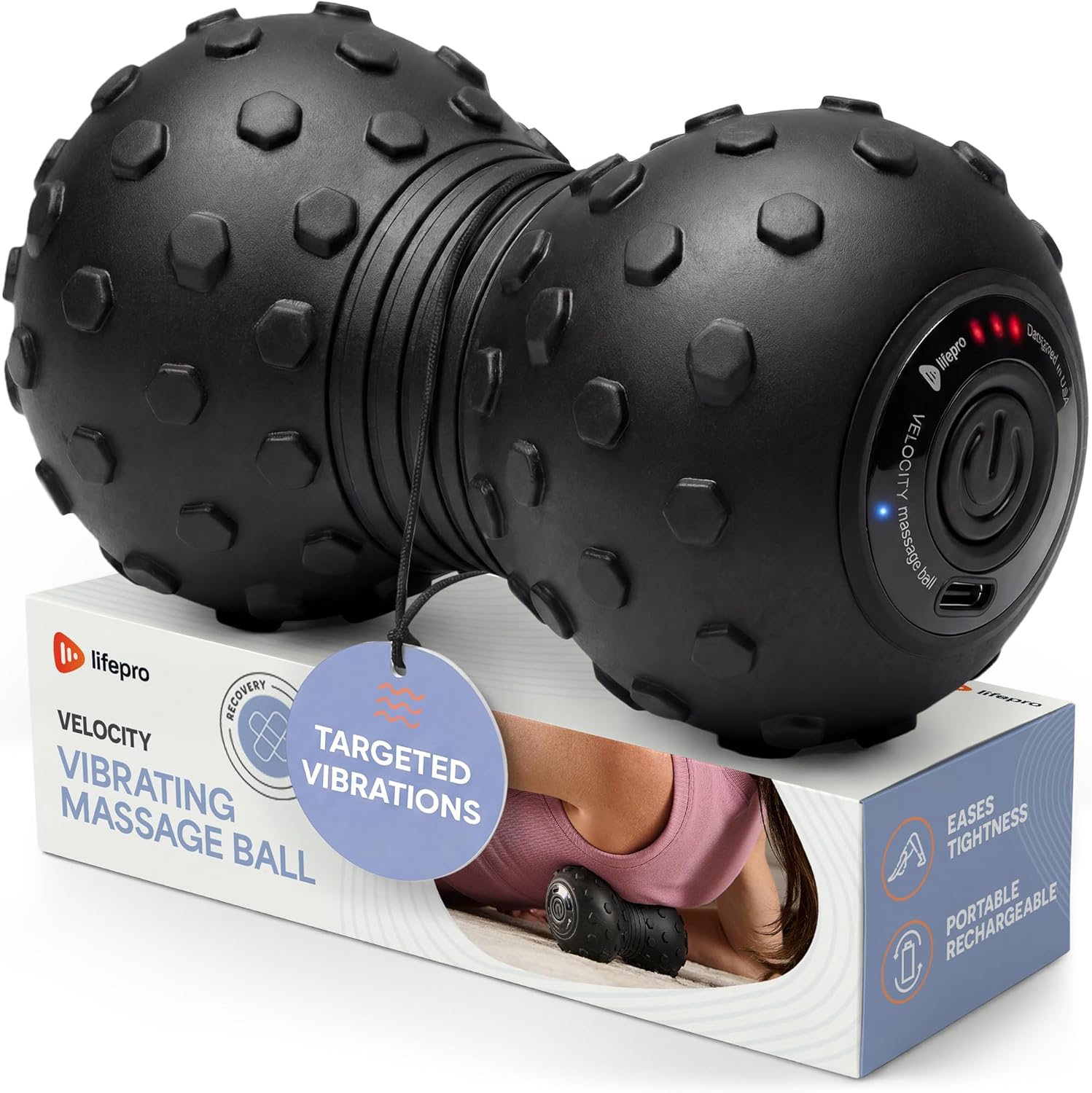
Vibrating rollers reduce the perceived discomfort of pressing into a tender lat, and they shorten the time needed to get a parasympathetic response after a late-night show. The trade-off is bulk, charging, and price. If you train more than four days a week and routinely deal with grip pump that interrupts sleep, vibration earns its keep.
Comparison: top foam rollers for aerial silk recovery in 2026
| Roller | Length | Texture | Best for | Vibration |
|---|---|---|---|---|
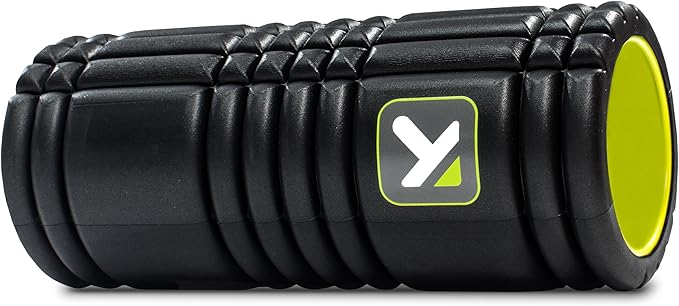
| TriggerPoint Grid 1.0 | 13 in | Multi-density grid | Targeted lat knots, forearms | No |
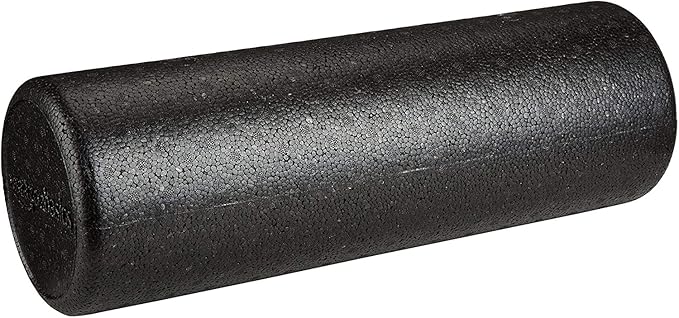
| Amazon Basics High-Density 18 in | 18 in | Smooth | Full lat sweeps, thoracic extension | No |
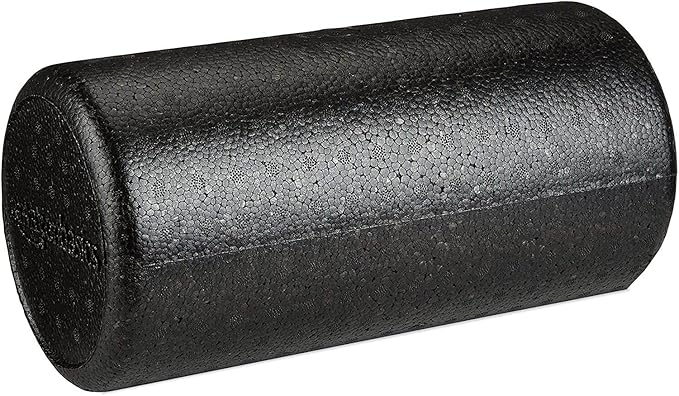
| Amazon Basics Round High-Density | 12/18/24/36 in | Smooth | Budget home setup, length options | No |
| FITINDEX Vibrating | 13 in | Textured grid | Post-show grip and lat flushing | 5-speed |
| Krightlink 5-in-1 Set | Multi-piece | Mixed | Travel kit covering grip, lats, feet | No |
Our picks: the best rollers for aerial silk performers
Best overall texture for lat trigger points: TriggerPoint Grid 1.0
The Grid 1.0's multi-density EVA wrapped around a hollow polypropylene core gives it the firmness aerialists need without the unforgiving brick feel of solid-EPP budget rollers. The raised channels and flat zones mimic palms and fingertips, which makes it the most effective off-the-shelf option for hunting trigger points along the teres major and lower lat — exactly where most silk performers report referred pain after a climb-heavy week. At 13 inches it also fits diagonally under one shoulder so you can isolate one side at a time, and it's narrow enough to use on the volar forearm without rolling off. The hollow core has held up to repeated tour use in our experience. Check it on Amazon: TriggerPoint Grid 1.0 Foam Roller - 13" Multi-Density M
Best long roller for full-lat sweeps and thoracic extension: Amazon Basics 18-inch High-Density
For broad lat work where you lie on your side with the arm overhead and the roller running parallel to your spine, length matters. The 18-inch Amazon Basics high-density roller covers the entire latissimus from insertion at the humerus down to the iliac crest in a single pass, which is far more efficient than scooting along on a 13-inch tool. It also works as a thoracic extension prop placed crosswise under the upper back — a critical mobility drill for aerialists who spend hours in flexed or inverted shapes and need to restore extension before the next session. The molded surface resists denting even at higher bodyweights. Reasonably priced, easy to replace if it ever does compress: Amazon Basics High-Density Foam Roller for Exercise and
Best budget pick with length flexibility: Amazon Basics High-Density Round
If you're building out a home studio recovery corner and want options for both forearm work and full-back sweeps without overspending, the round high-density line comes in 12, 18, 24, and 36-inch lengths. The 36-inch version is unmatched for spinal-line work and balance drills, the 18-inch is a workhorse, and the 12 travels easily. Same firm closed-cell foam across the family, so you can mix and match without rolling onto a softer surface and losing pressure mid-session. Amazon Basics High Density Foam
Best vibrating roller for post-show recovery: FITINDEX 5-Speed Vibrating
After a 90-minute show with multiple climbs, sometimes you cannot tolerate hard pressure on inflamed lats. Vibration changes that. The FITINDEX vibrating roller offers five intensity levels and a textured surface that's firm without being punishing. Low settings work for nervous-system downregulation before bed; high settings flush the forearms after a hand-grip-dominant choreography. It's also FSA/HSA eligible, which makes it a tax-advantaged purchase if you have a flexible spending account from a day job. Battery life is enough for several full sessions between charges. FITINDEX Vibrating Foam Roller for Back Pain, FSA&HSA E
Best travel kit for touring performers: Krightlink 5-in-1 Set
Touring aerialists who pack into a single suitcase need versatility per cubic inch. The Krightlink 5-in-1 set includes a hollow roller that stores smaller tools — a massage stick, a spiky ball, a peanut, and a resistance band — inside its core. That covers grip flushing with the stick, scapular trigger points with the peanut, and arch decompression with the ball, all in the footprint of one mid-size roller. It is not the densest tool on the list, but for hotel-room recovery between performances it is hard to beat. Krightlink 5 in 1 Foam Roller Set for Deep Tissue Muscl
How to use a foam roller for aerial-specific soreness
The mistake most aerialists make is treating a roller like a generic backbone tool. To address lat soreness, lie on your side with the working arm overhead, palm up, and the roller perpendicular to your body just below the armpit. Shift your weight onto the roller and exhale; let it sink for 20-30 seconds before you make any movement. Then slowly travel toward the iliac crest, pausing on any spot that refers down the arm or into the ribs. Aim for 90-120 seconds per side, not the 10-second blast most general fitness videos show.
For grip and forearm work, kneel and place the volar forearm on a 13-inch grid roller. Use the opposite hand to add downward pressure, then slowly rotate the forearm from pronated to supinated as you roll proximally from wrist to elbow. The texture of a grid surface is what makes this effective — a smooth roller mostly slides over the skin. Two to three minutes per arm after a heavy climb day will noticeably reduce next-morning stiffness.
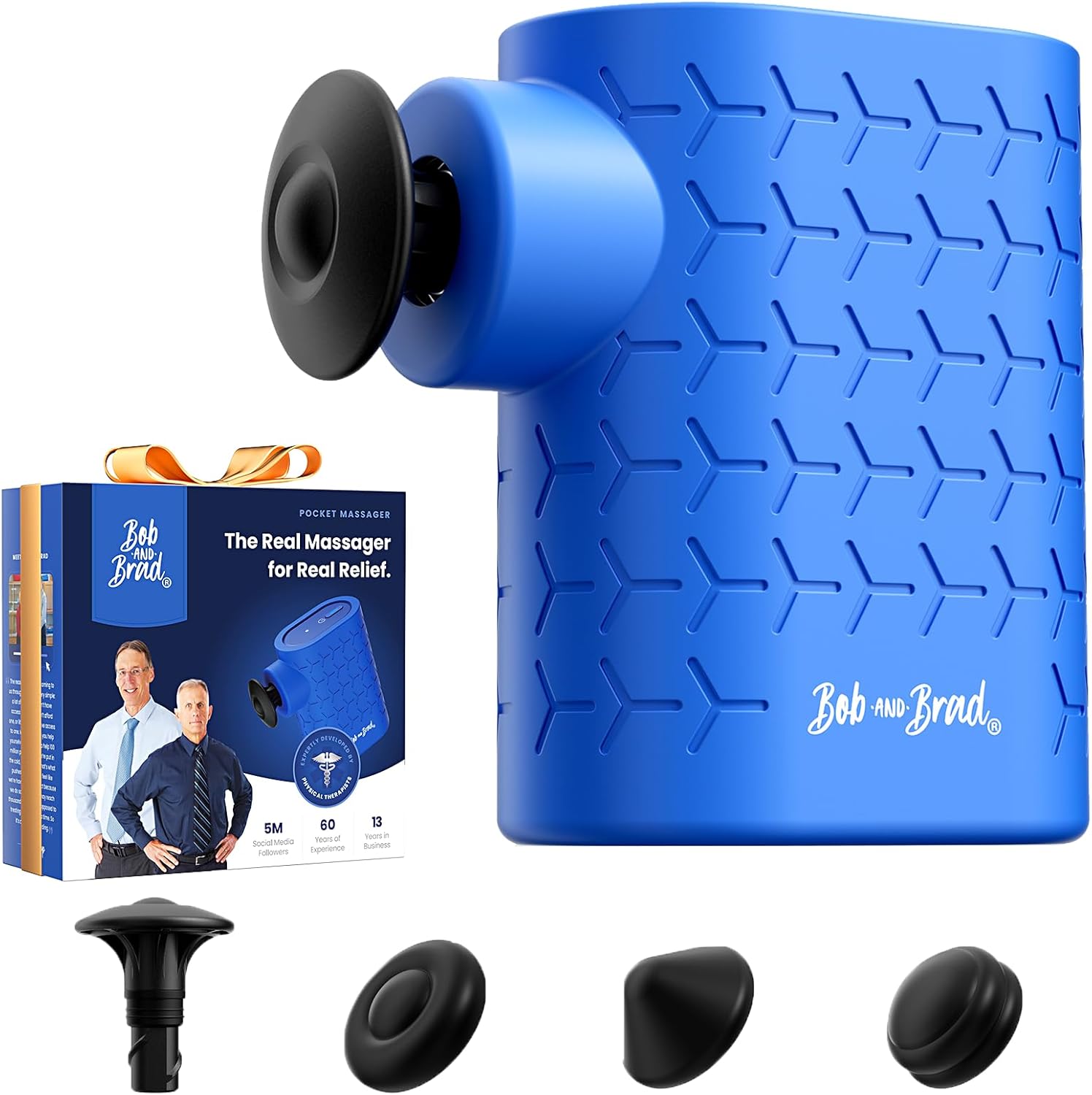
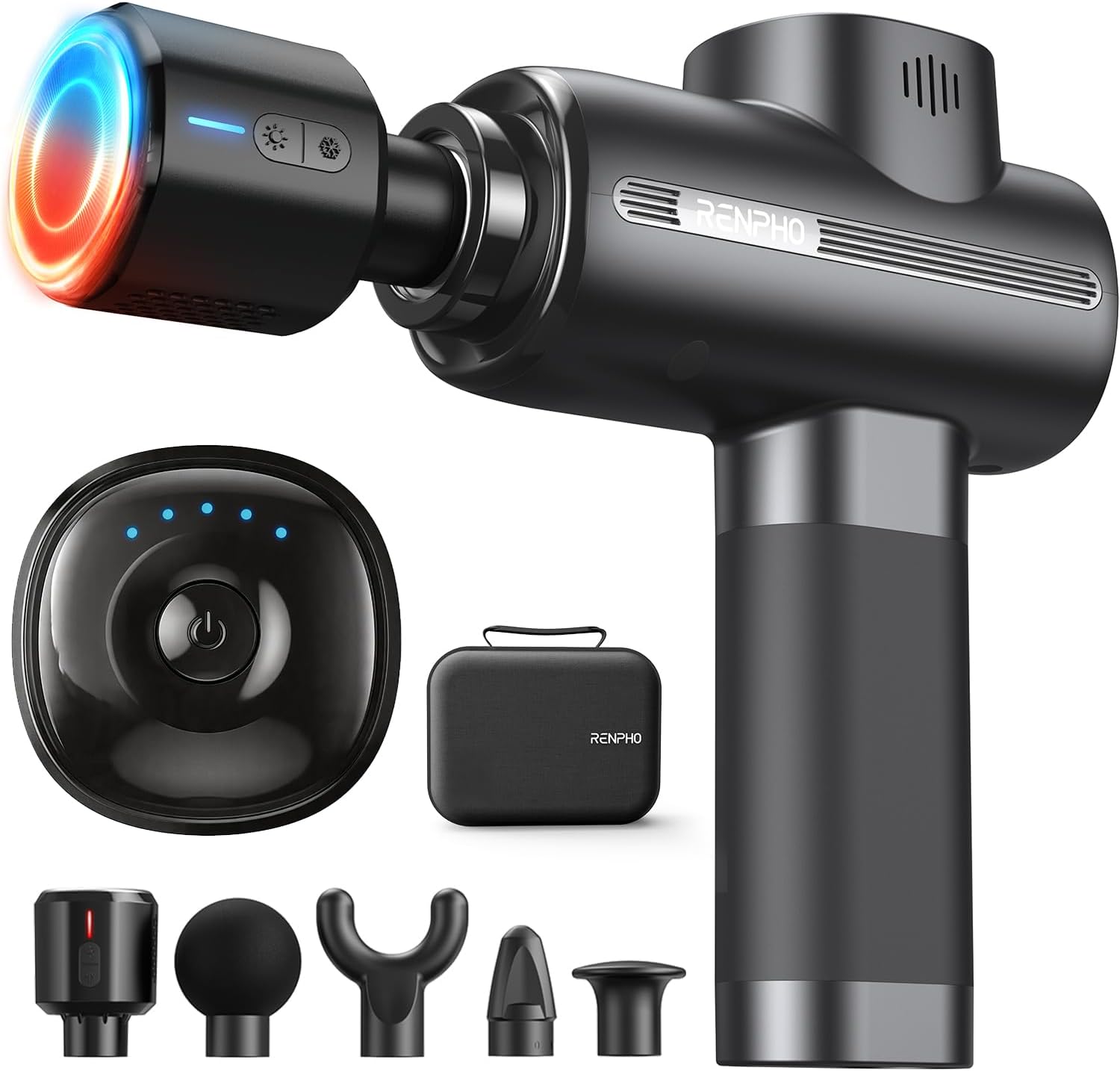
Vibrating tools are best applied at low intensity before pressure work to downregulate the protective spasm aerialists carry in the upper trapezius and teres group, then again at higher intensity after the session to flush metabolites. For more on programming your recovery week, see our guide to building a recovery stack for circus athletes and our breakdown of when to choose a massage gun over a foam roller.
Combining rollers with other recovery tools
Foam rolling addresses fascia and large muscle bellies, but aerial silk also produces nerve-tension symptoms — tingling fingers, ulnar-nerve irritation, and grip-trigger-finger sensations — that respond better to nerve-glide drills than to pressure. Use the roller for the muscular component, then follow with median- and ulnar-nerve floss after. If you are also dealing with shoulder impingement symptoms, our massage gun guide for rotator cuff issues covers attachments and protocols that pair well with the rollers above.
Frequently Asked Questions
What density of foam roller is best for lat soreness in aerialists?
Aim for high-density EPP rollers in the 4-6 lb/ft³ range, or a multi-density grid roller like the TriggerPoint Grid 1.0. Aerialists carry enough lat thickness and bodyweight that softer EVA rollers compress before reaching the deeper tissue. If you can press your thumb into the roller and indent it more than a few millimeters, it's too soft for serious lat work.
Can I use a foam roller on forearm flexors for grip recovery?
Yes, and it's one of the most underrated uses of a 13-inch grid roller. Place your forearm palm-up on the roller, add pressure with the opposite hand, and slowly travel from wrist to elbow while rotating the forearm. Two to three minutes per side after a climb-heavy training day reduces next-day grip stiffness. Avoid rolling directly over the bony prominence near the wrist.
How often should aerial silk performers foam roll?
Daily, but the duration and intensity should match your training load. On rest days, 5-10 minutes of low-pressure flushing on lats and forearms keeps tissue mobile. On heavy climb or drop days, 15-20 minutes of targeted work post-session is appropriate. After shows, prioritize parasympathetic downregulation with a vibrating roller on low rather than aggressive trigger point work.
Is a vibrating foam roller worth it for circus athletes?
If you train more than four sessions a week or perform shows regularly, vibration shortens recovery time and makes pressure work tolerable on inflamed tissue. The FITINDEX vibrating roller is a reasonable entry point. If you only train two or three days a week and recover well, a dense non-vibrating roller is enough and saves you the cost and bulk.

What size foam roller should I bring on tour?
A 13-inch roller fits in standard carry-on luggage and handles both lats and forearms when used at an angle. The Krightlink 5-in-1 set is even better for tour because it nests several smaller tools inside the roller, covering grip work, scapular triggers, and arch decompression in a single packed item.
Can foam rolling cause bruising on the lats?
If you are bruising, you are pressing too hard or staying on one spot too long. Lat tissue in aerialists is often hyper-sensitive after a heavy session, and the goal is sustained moderate pressure that allows the tissue to release, not maximum force. Drop intensity, slow down the travel rate, and avoid rolling over the floating ribs entirely.
Should I roll before or after aerial training?
Both, with different goals. A short pre-training pass — two to three minutes of light rolling on lats, thoracic spine, and forearms — improves overhead range of motion before warm-up. A longer post-training session focused on trigger points addresses the soreness that would otherwise carry over to your next training day. Avoid heavy trigger point work immediately before performing, as it can temporarily reduce force output.
Final word
The right combination for most working aerialists is a dense 18-inch roller for full-lat sweeps at home, a 13-inch grid roller for forearm and targeted trigger work, and a vibrating option if you perform regularly. The foam rollers for aerial silk performers we recommend above cover every budget and use case from studio bag to touring kit, and none of them require specialty stores — all are stocked on Amazon and ship within days.
Key Takeaways
- Choosing the right foam rollers for aerial silk performers means matching capacity and output ports to your actual devices
- Always check actual watt-hours (Wh), not just watts — runtime depends on Wh, not peak output
- Also covers: foam roller for aerialist lat pain
- Also covers: best foam roller for circus performers
- Also covers: aerial silks grip recovery roller
- Compare price-per-Wh across models to find the best value for your budget