A smart recovery tool kit for broadway dancers on eight show weeks needs three things: a dense foam roller for thighs and calves between matinee and evening, a textured roller for stubborn IT-band and glute knots, and a vibrating option for the quick reset during a 90-minute turnaround. The kit below is built around backstage realities — limited dressing room floor space, communal warm-up corners, and the relentless Wednesday/Saturday double-show schedule. Every product is something a swing, ensemble member, or principal can stash in a tote, set up in three minutes, and use without disturbing castmates in the next station.
The picks lean toward tools that survive eight performances a week of repeated use, work on hardwood backstage floors, and address the specific tissue load of jumping, partnering, and quick changes. If you are assembling a kit from scratch or upgrading what you packed in 2026, start with a high-density roller as your base and layer specialty tools on top.
When shopping for recovery tool kit for broadway dancers, it pays to compare specs, capacity, and real-world runtime before committing.
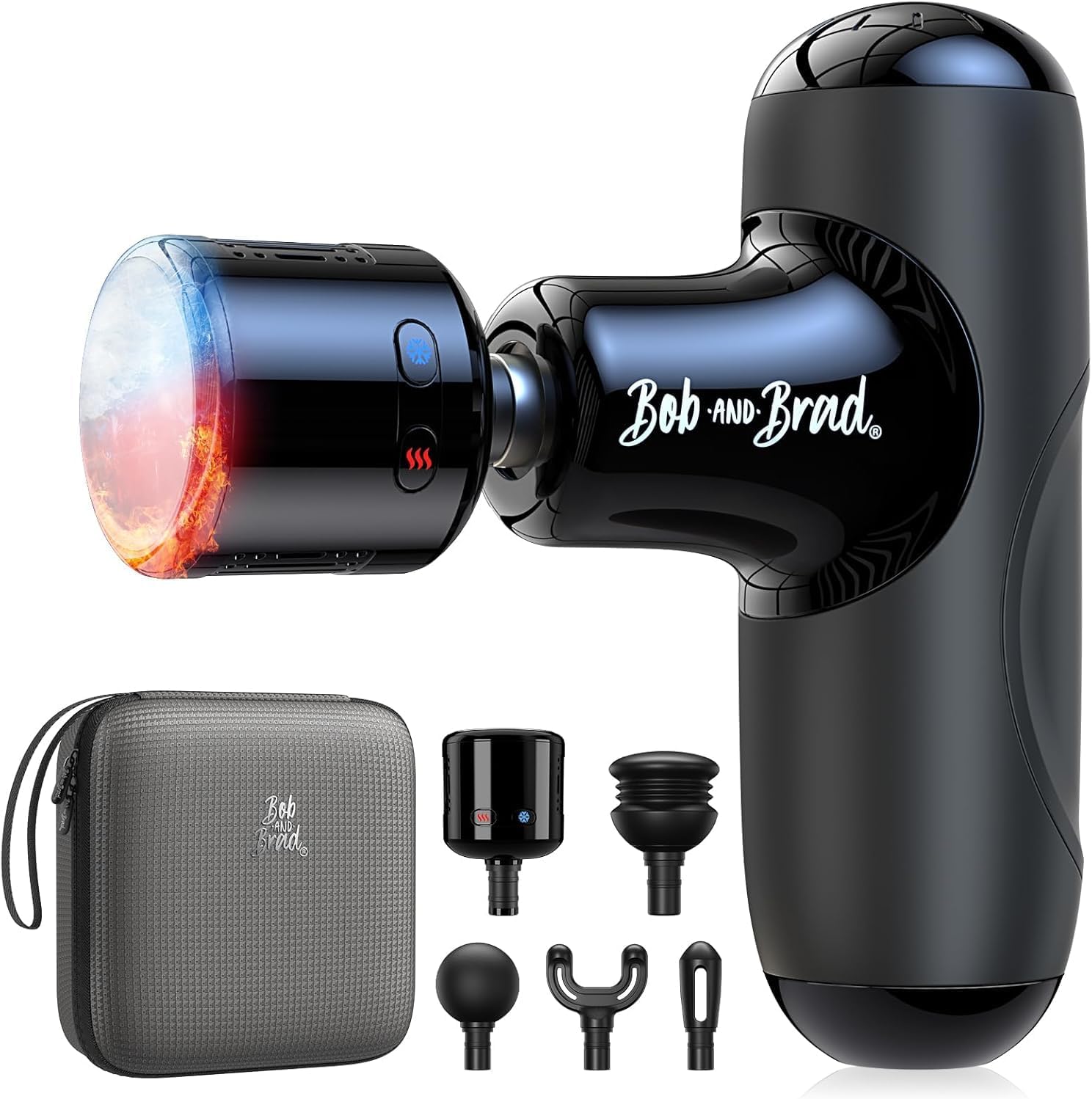
What a Broadway recovery tool kit actually needs
Eight shows a week is roughly 12 to 16 hours of high-output dancing, plus warm-up, fight call, and put-in rehearsals. The tissue stress is cumulative, not episodic — by Friday night, the quads and calves of an ensemble dancer have absorbed forces that any normal training week would never deliver. A useful recovery tool kit for broadway dancers targets the predictable trouble zones: quads, calves, IT band, glute medius, thoracic spine, and the plantar fascia.
Your kit should answer four distinct recovery moments in the show day:
- Pre-show warm-up — a multi-density roller to wake up fascia without grinding into deep tissue before you dance.
- Intermission reset — small textured tools you can use on a calf or hip flexor in under three minutes.
- Between matinee and evening — a longer roller for full posterior chain flush, often done lying on a dressing room floor.
- Post-show wind-down — a vibrating roller that signals the nervous system it is safe to downshift before sleep.
If you are also building out home equipment for off-days, our guide to foam rollers for small apartments covers what works in a 400-square-foot Hell's Kitchen studio.
Comparison: the core five products
| Product | Best for | Length | Density | Backstage friendly? |
|---|---|---|---|---|
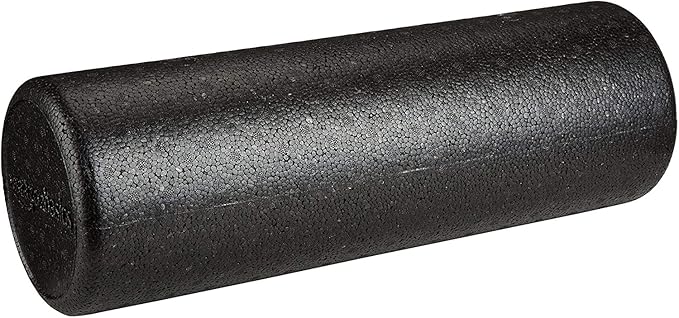
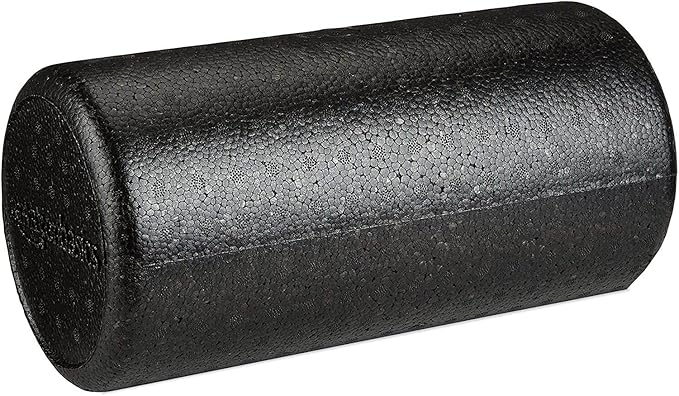
| Amazon Basics 18" High-Density Foam Roller | Daily quad/calf flush | 18 in | High | Yes — quiet, durable |
| Amazon Basics Round High-Density Foam Roller | Travel and tour kits | 12-36 in options | High | Yes — compact sizes |
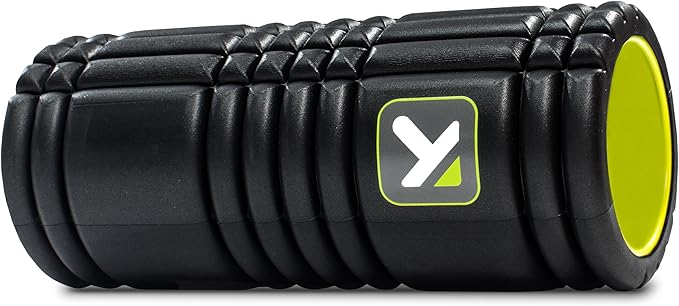
| TriggerPoint Grid 1.0 13" | IT band, glute medius | 13 in | Multi-density grid | Excellent — fits a tote |
| FITINDEX Vibrating Foam Roller | Post-show nervous-system downshift | ~12 in | 5 speeds | Yes — rechargeable, FSA/HSA eligible |
| Krightlink 5-in-1 Foam Roller Set | Whole-cast dressing room sets | Multiple | Mixed | Yes — covers many use cases |
Product picks for the eight-show week
Amazon Basics High-Density Foam Roller, 18 inch — the base layer
Every Broadway recovery kit should start here. The 18-inch length supports both legs at once during a quad roll-out, and it is long enough to do a thoracic extension across the spine without sliding off. The density is firm enough to actually move tissue on dancers who already foam-roll regularly — a softer roller feels nice but does not deliver after two years of eight shows a week. It is also virtually indestructible, which matters when it lives in a tote that gets dragged from apartment to subway to stage door six days a week. Get it on Amazon: Amazon Basics High-Density Foam Roller for Exercise and
TriggerPoint Grid 1.0 Foam Roller, 13-inch — the specialty tool
This is the roller that lives in the dressing room. The 13-inch length fits inside a standard backpack, and the multi-density grid pattern mimics the feel of a massage therapist's hands — fingertip-like ridges for trigger points and broader flat surfaces for sweeping passes. For Broadway dancers, this is the roller you reach for when the IT band is screaming after a partnering-heavy second act, or when the glute medius needs a focused reset between the matinee and evening show. The hollow core keeps it light enough to throw in a tote. Get it on Amazon: TriggerPoint Grid 1.0 Foam Roller - 13" Multi-Density M
FITINDEX Vibrating Foam Roller — the post-show downshift
Vibration changes the nervous-system conversation. After the final curtain on a Saturday — when you have done two shows that day and have a Sunday matinee in 15 hours — static rolling alone often is not enough to convince the body to release. The FITINDEX vibrating roller offers five speed settings, runs on a rechargeable battery (no cords stretching across a shared dressing room), and is FSA/HSA eligible, which matters if you are reimbursing through a union health account. Use the lowest setting on calves and quads for two to three minutes per zone before bed. Get it on Amazon: FITINDEX Vibrating Foam Roller for Back Pain, FSA&HSA E
Krightlink 5-in-1 Foam Roller Set — the cast-share option
If you are a dance captain, swing coordinator, or stage management trying to outfit a whole ensemble, this set covers more ground than buying individual pieces. The five tools address different tissues — a textured outer roller, a smaller stick-style roller for calves and forearms, and accessories that handle plantar fascia and forearm tightness from partnering. It is the most cost-effective way to build a shared recovery station in a chorus dressing room. Get it on Amazon: Krightlink 5 in 1 Foam Roller Set for Deep Tissue Muscl
Amazon Basics High-Density Round Foam Roller — the tour and travel backup
For dancers heading out on a national tour, you want a second roller that lives in your show trunk and never moves. The round profile is the classic shape, the high-density EPP foam survives airline cargo holds and bus undercarriages, and you can pick from a 12-inch travel size up to a 36-inch length for full back work. Keep your 18-inch at home and let this one live in your tour wardrobe case. Get it on Amazon: Amazon Basics High Density Foam
How to use the kit across a show day
The biggest mistake dancers make is treating recovery tools like equipment for one moment instead of touchpoints across the day. Here is a realistic Wednesday two-show flow:
10:00 AM (pre-matinee warm-up): Five minutes on the TriggerPoint Grid — quads, calves, glute medius, upper back. Goal is to wake up fascia, not to grind on knots before dancing.
Intermission of matinee: Sixty seconds per calf on the Grid, sitting in a dressing room chair with the roller under one calf at a time. Quick reset, no time for floor work.
4:30 PM (between shows): This is the big one. Twelve to 15 minutes on the 18-inch Amazon Basics roller. Full posterior chain, quads, hip flexors, thoracic extension. Eat after, not before — a full stomach makes prone hip flexor work miserable.
Intermission of evening: Same as matinee — targeted calf or hip reset.
11:30 PM (post-show, at home): FITINDEX vibrating roller, lowest setting, calves and quads for two minutes each. Then sleep.
For more on building structured cooldowns into a performance week, see our guide to post-show cooldown routines for dancers.
What to skip when building your kit
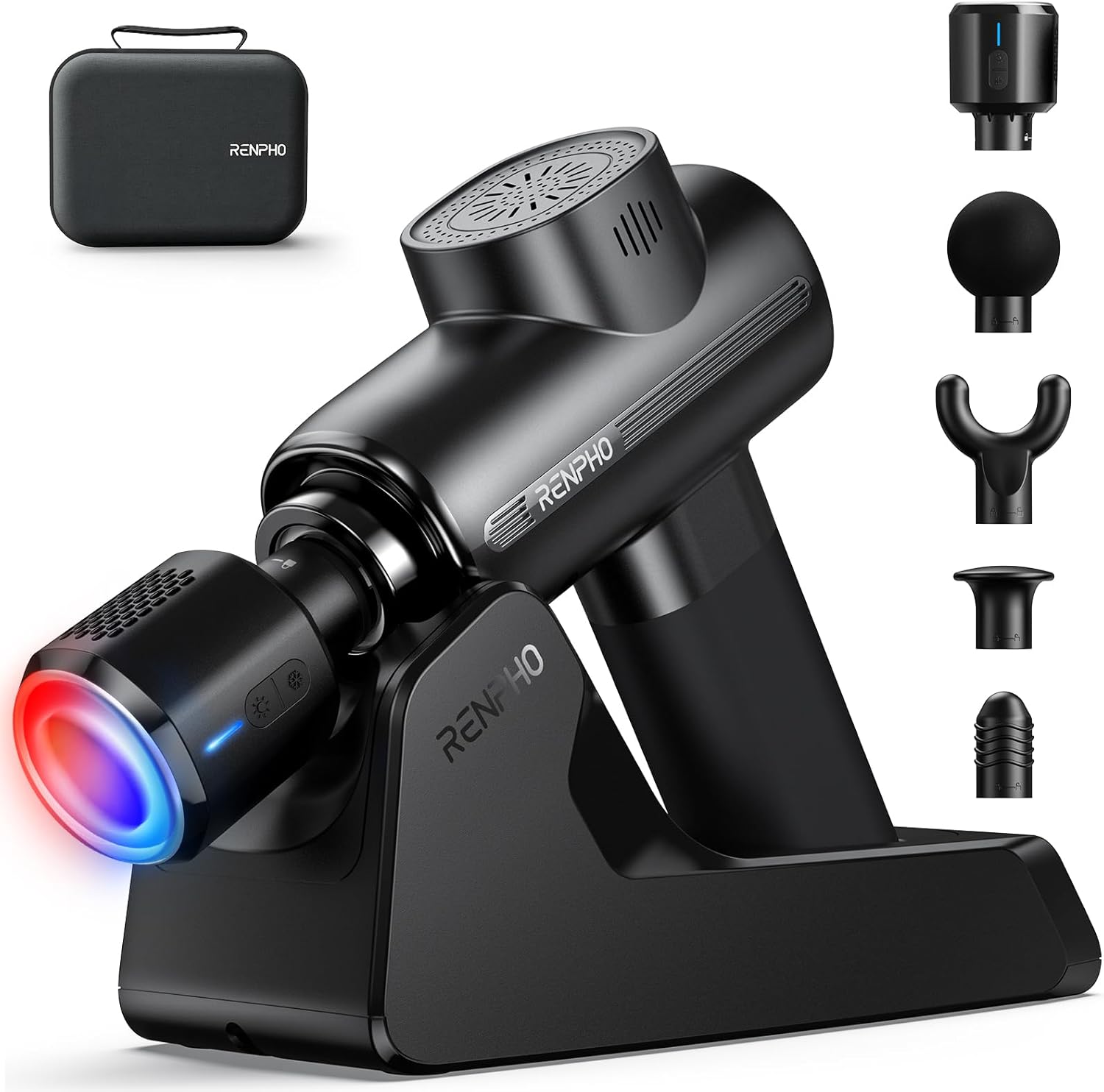
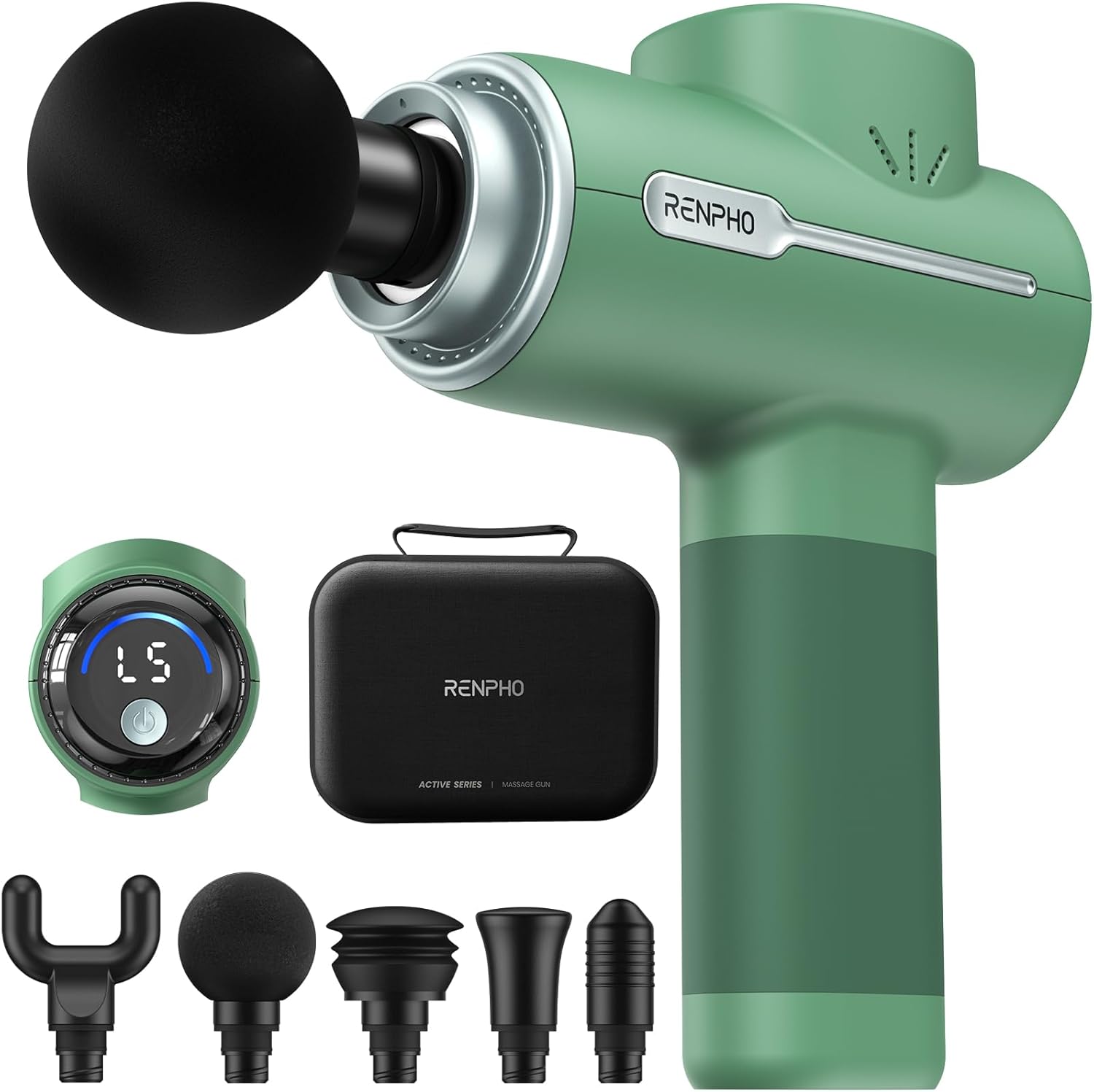
Not every popular recovery product earns space in a Broadway tote. Skip oversized massage guns with multiple cords and bulky cases — they are great for home but a hassle backstage. Skip soft, low-density rollers; they feel pleasant but do not move tissue on a body already adapted to high training loads. Skip novelty spike balls if you already have a textured roller — the Grid pattern on the TriggerPoint covers the same ground without adding another item to your bag.
One more skip: do not buy your roller from a studio gift shop on opening night because you forgot yours at home. The markup is brutal, and you will end up with whatever inventory they had. Build the kit before tech week and you will never face that decision.
Budget tiers for the full kit
If you are buying everything at once, expect the following rough ranges in 2026: the Amazon Basics 18-inch roller is the budget anchor under $30; the TriggerPoint Grid sits in the $35-$45 range; the FITINDEX vibrating roller runs roughly $60-$90 depending on sales; the Krightlink 5-in-1 set comes in around $40-$55; and a travel round roller adds $20-$30. A complete kit lands between $150 and $250, which spread across a 12-month contract is essentially a rounding error compared to physical therapy copays you would otherwise stack up.
If you can only buy two items to start, choose the Amazon Basics 18-inch roller and the TriggerPoint Grid. Those two cover 80% of what eight shows a week will throw at your tissues. Add the vibrating roller in month two and the travel round in month three.
Frequently Asked Questions
What is the best foam roller for Broadway dancers with chronic calf tightness?
The TriggerPoint Grid 1.0 is the best pick for chronic calf tightness because the multi-density ridges contact the gastrocnemius the way a therapist's thumbs would, and the 13-inch length lets you work one calf at a time with full body weight loaded through your hands. Pair it with eccentric calf raises on a stair edge for the most reliable results.
How do I pack a recovery tool kit for a Broadway national tour bus?
Use a soft-sided duffel that compresses, pack the 18-inch Amazon Basics roller along the length of your wardrobe trunk, slide the TriggerPoint Grid inside the larger roller's hollow core to save space, and keep the FITINDEX vibrating roller and its charger in your personal carry-on so it never gets lost in transit between cities.
Is a vibrating foam roller worth it for eight-show weeks?
Yes, especially for the Saturday-night-into-Sunday-matinee turnaround. Vibration recruits more proprioceptive input than static rolling and tends to downshift the nervous system more effectively before sleep. The FITINDEX model is FSA/HSA eligible, which makes it easier to expense through a union health reimbursement account.
Can I share foam rollers in a Broadway dressing room?
Communal use is fine if the rollers get wiped with a disinfectant spray between performers — most companies keep a bottle at each station. The Krightlink 5-in-1 set is the most cast-share-friendly because there are multiple tools, so two dancers can warm up at the same time without waiting.
How long should a Broadway dancer foam roll between shows on a two-show day?
Twelve to 15 minutes total is the sweet spot. Less than eight minutes does not move enough tissue to matter, and more than 20 minutes between shows starts cutting into eating, hair, and makeup reset time — the trade-off stops being worth it. Spend the time on quads, calves, glute medius, and a brief thoracic extension.
Are foam rollers safe to use on the same day as a deep-tissue massage?
Light rolling on a multi-density roller like the Grid 1.0 is fine after a massage, but skip aggressive work on a dense round roller for at least 24 hours. The tissue is already in a high-turnover state, and stacking deep pressure on top can leave you sore for the next show rather than recovered.
What is the difference between the TriggerPoint Grid 1.0 and a smooth high-density roller?
The Grid 1.0 has a hollow plastic core wrapped in multi-density foam with a raised grid pattern, giving you variable pressure points across one pass. A smooth high-density roller like the Amazon Basics 18-inch delivers uniform pressure across the whole roller surface. The Grid is better for targeted trigger points; the smooth roller is better for broad sweeping passes over the quads and back.
For a deeper dive into product longevity and replacement timing, see our breakdown of when to replace your foam roller.
Key Takeaways
- Choosing the right recovery tool kit for broadway dancers means matching capacity and output ports to your actual devices
- Always check actual watt-hours (Wh), not just watts — runtime depends on Wh, not peak output
- Also covers: recovery kit for touring dancers
- Also covers: massage gun and roller for theater performers
- Also covers: broadway dancer recovery bundle
- Compare price-per-Wh across models to find the best value for your budget