If you're a cyclist battling chronic quad tightness after long rides, vibrating foam rollers for cyclists quad tightness are the single most efficient recovery tool you can keep next to the trainer. Unlike static rollers, vibration penetrates deeper into the rectus femoris and vastus lateralis, the two quad heads that bear the brunt of repetitive pedal strokes. For 2026, the standout picks are the FITINDEX Vibrating Foam Roller for serious mileage riders and the TriggerPoint Grid 1.0 as a non-vibrating travel backup. Below we break down which roller solves which specific quad complaint, how to use it correctly, and what to avoid if you have a history of IT band or patellar issues.
Why cyclists develop chronic quad tightness in the first place
Cycling is a closed-chain, concentric-dominant activity. Your quads fire thousands of times per hour through a limited range of motion, and they rarely get to fully lengthen the way they would during running or hiking. Over weeks and months, the fascia surrounding the quadriceps shortens and adheres to itself, and trigger points form along the rectus femoris from hip flexor to knee. A standard high-density roller helps, but for cyclists pushing 8-15 hours per week, vibration adds a neurological component: oscillation at 30-50 Hz down-regulates the muscle spindle response, letting tissue actually release rather than just compress.
The other reason vibrating foam rollers for cyclists quad tightness work so well is time efficiency. A typical static roll-out takes 10-15 minutes per leg to meaningfully change tissue quality. Vibration cuts that to 3-5 minutes per leg with comparable or better results, which matters when you're trying to get from the bike to dinner without losing the evening to recovery.
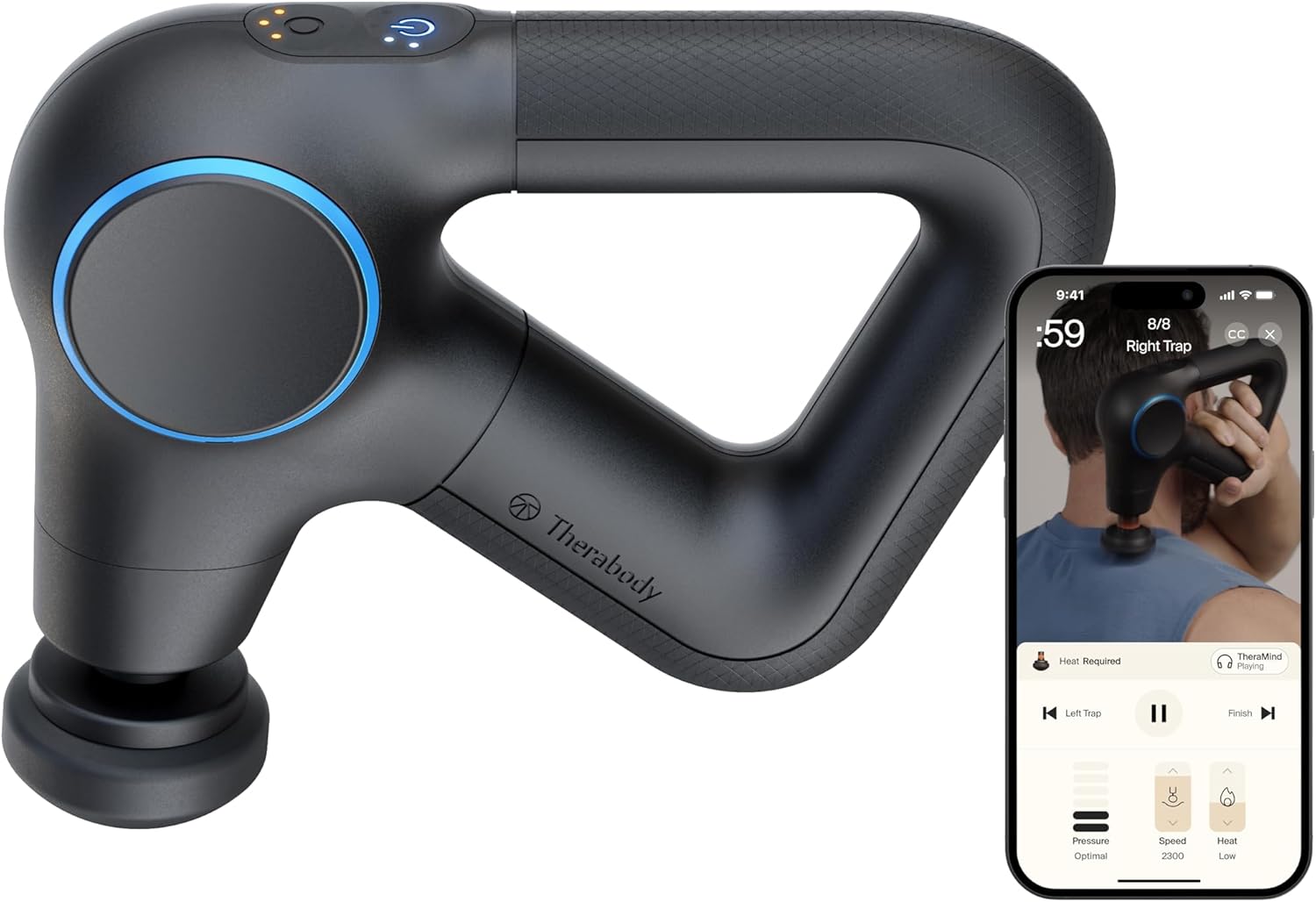
Quick comparison: top rollers for cyclist quads in 2026
| Roller | Vibration | Length | Best for | FSA/HSA |
|---|---|---|---|---|
| FITINDEX Vibrating Foam Roller | 5 speeds (up to ~3,600 RPM) | 13 in | Chronic quad knots, daily use | Yes |
| TriggerPoint Grid 1.0 | None | 13 in | Travel, race-week tune-ups | No |
| Krightlink 5-in-1 Set | None (set includes spiky ball + stick) | 18 in roller | Full lower-body recovery kit | No |
| Amazon Basics High-Density 18" | None | 18 in | Beginners, larger riders | No |
| Amazon Basics Round High-Density | None | 12-36 in options | Budget backup, gym bag | No |
Our top picks for cyclists with chronic quad tightness
1. FITINDEX 5-Speed Vibrating Foam Roller — Best overall for cyclists
The FITINDEX Vibrating Foam Roller is the one we recommend to nearly every cyclist who asks. It runs five speeds from a gentle warm-up oscillation (about 1,800 RPM) up to deep-tissue intensity around 3,600 RPM, which is enough to get into a stubborn vastus lateralis without forcing you to grit your teeth. The 13-inch length is long enough to roll the full length of the rectus femoris in two passes and short enough to throw in a duffel for race weekends.
Two cyclist-specific features push it ahead of competitors: the surface uses an alternating grid-and-flat pattern that mimics thumb pressure along the IT-band/quad seam, and it's FSA/HSA eligible, meaning you can usually expense it through your health spending account. Battery runtime is roughly three hours per charge at mid-speed, so even daily 10-minute sessions only need a recharge every couple of weeks. For chronic tightness, our protocol is speed 2 for 90 seconds along the rectus femoris, then speed 4 parked on any obvious trigger point for 30-45 seconds.
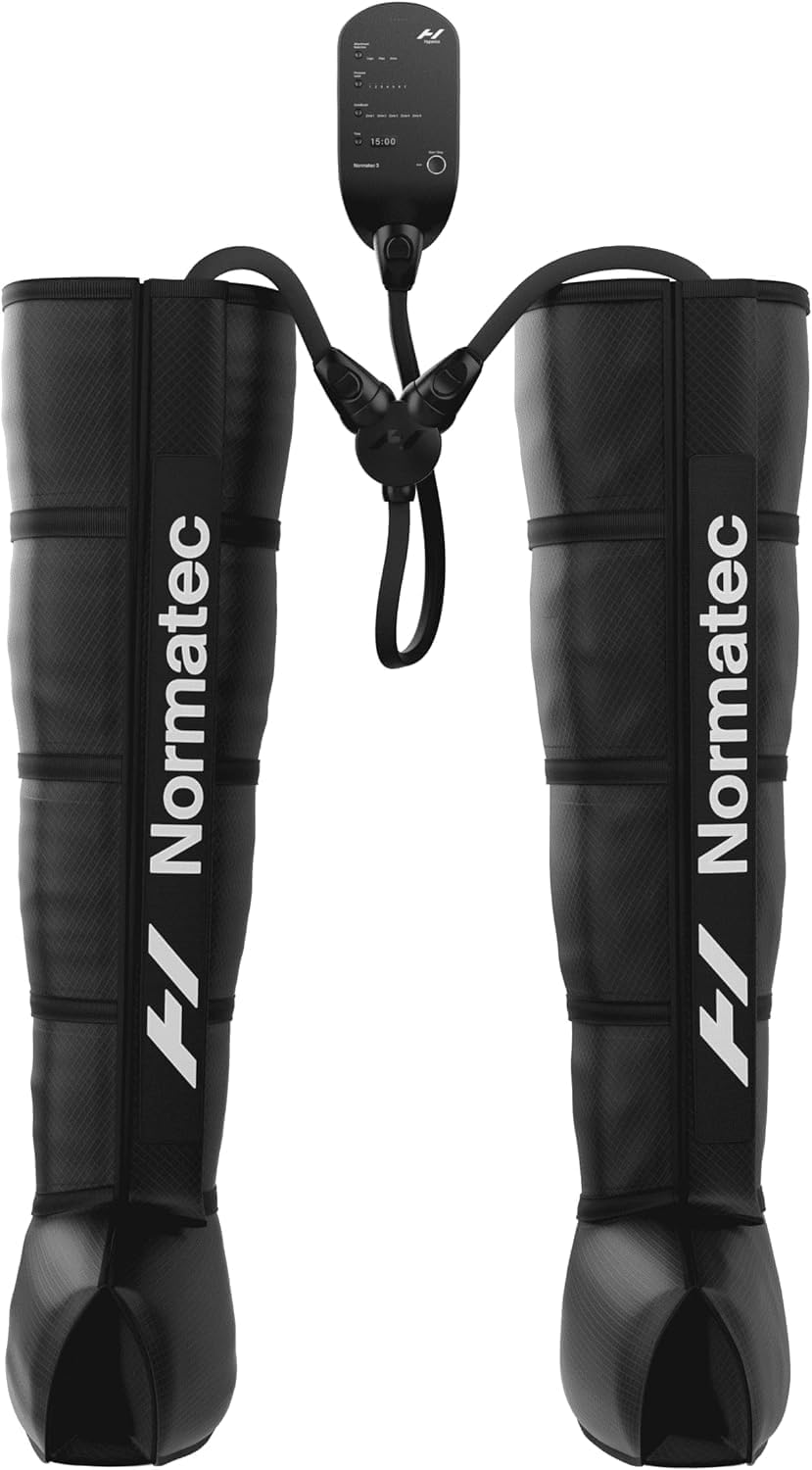
2. TriggerPoint Grid 1.0 — Best non-vibrating travel option
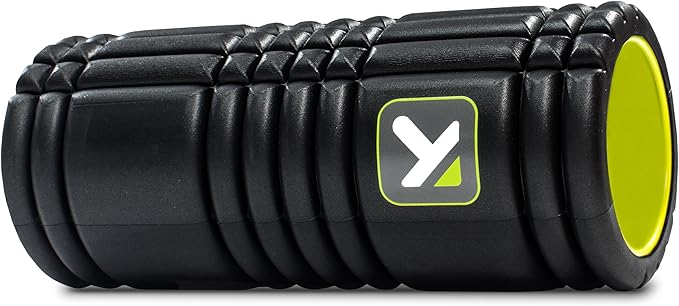
If you travel to races or gran fondos and don't want to deal with a lithium battery in checked luggage, the TriggerPoint Grid 1.0 is the proven workhorse. The multi-density EVA foam over a hollow core gives you three pressure zones in one roller: flat sections that mimic a palm, tubular nodes that mimic fingertips, and longitudinal channels that mimic a forearm. For a tight rectus femoris, you can hit all three intensities by rotating the roller a quarter turn at a time.
It doesn't vibrate, so it won't release fascia as fast as the FITINDEX, but it has held up through more than a decade of professional use in WorldTour team buses and physio clinics. At 13 inches and roughly 1.4 pounds, it fits in a carry-on. For cyclists who already own a vibrating roller and want a backup, this is the obvious choice.
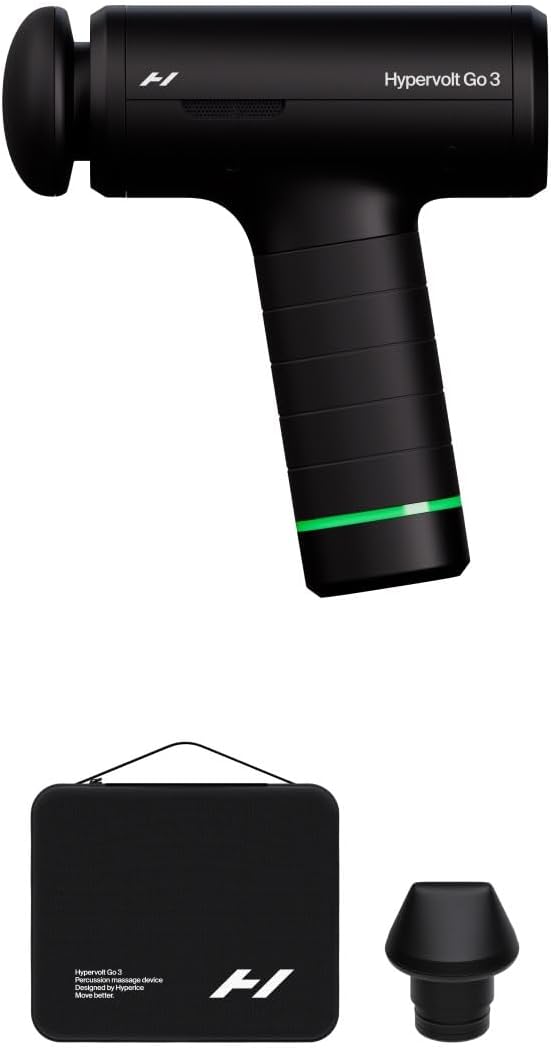
3. Krightlink 5-in-1 Foam Roller Set — Best full recovery kit for cyclists
Quad tightness rarely shows up in isolation. Most cyclists with chronic quad complaints also have tight hip flexors, glute medius trigger points, and adductor stiffness. The Krightlink 5-in-1 Foam Roller Set gives you the foam roller plus a spiky massage ball (perfect for parking on a glute med trigger point against a wall), a peanut ball (for thoracic spine, which gets crunched in the drop bar position), a stretching strap, and a resistance band. For the price of a single mid-tier vibrating roller, you get a complete lower-body recovery station.
The roller itself is non-vibrating and slightly softer than the TriggerPoint, which makes it more forgiving for cyclists who are new to self-myofascial release. We don't recommend it as your only roller if you've been riding seriously for years, but as a complete starter kit or as a supplement to a vibrating roller, it's hard to beat.
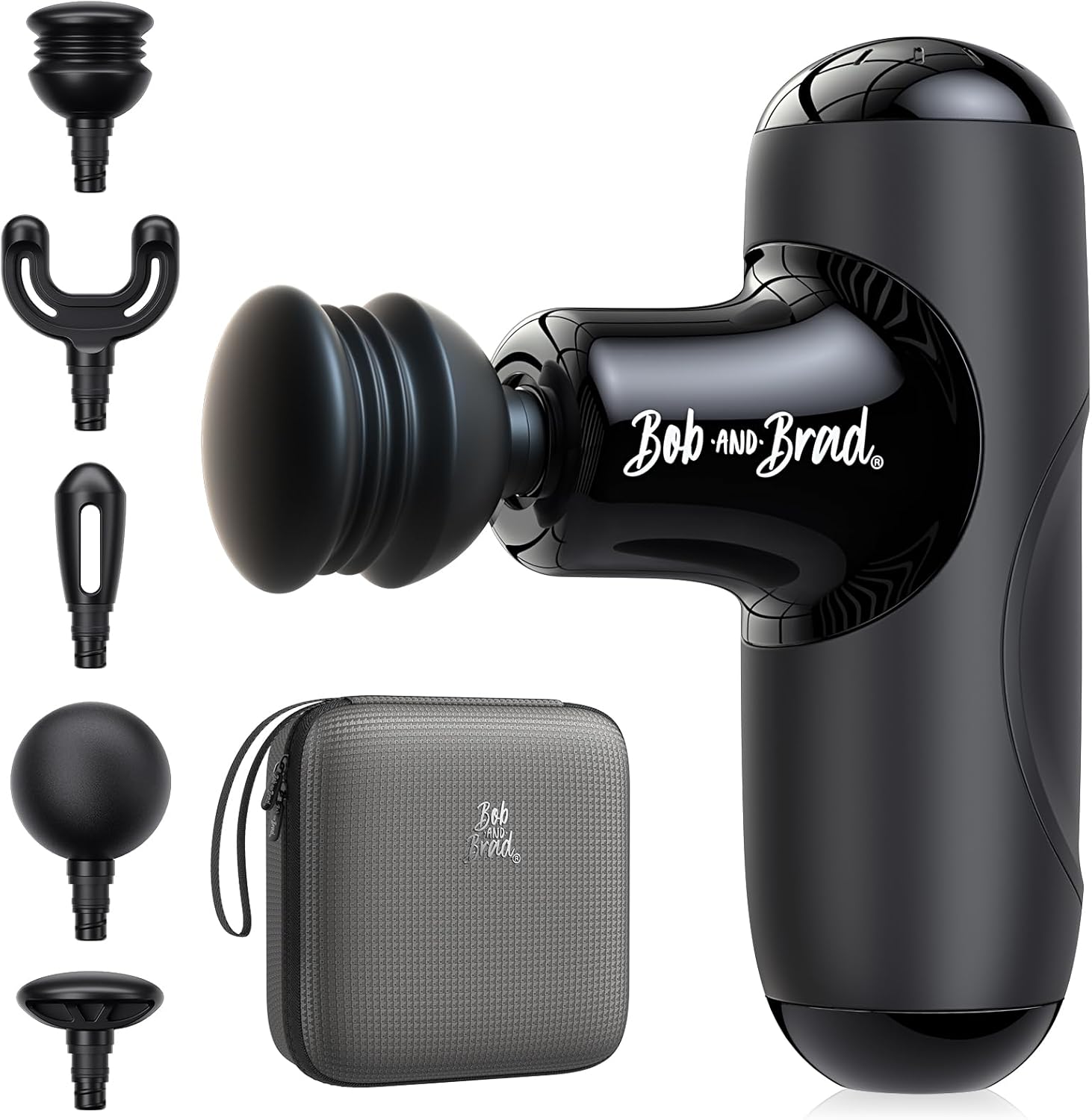
4. Amazon Basics High-Density Foam Roller, 18 inch — Best budget pick for taller riders
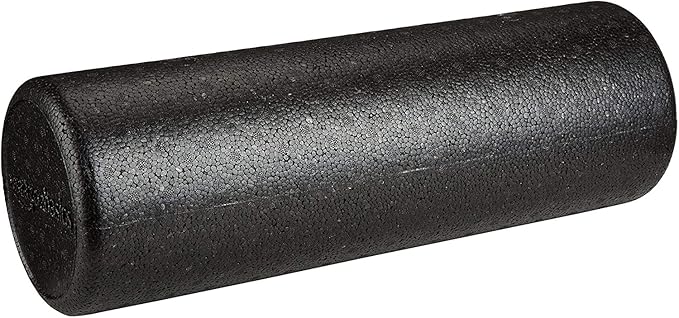
Cyclists over six feet often struggle with 13-inch rollers because they can't fit the full length of the quad in one pass without the roller drifting off the leg. The Amazon Basics High-Density Foam Roller in 18 inch solves that with a longer barrel at a price that makes it a no-brainer for a garage gym backup. It's a smooth, high-density EPP foam roller — no grid, no vibration — but the density is genuinely firm enough to be useful on quads, unlike the cheap blue Styrofoam rollers from sporting goods stores.
This is the roller we recommend if you're not sure whether you'll actually stick with a foam-rolling habit and don't want to spend $80+ on a vibrating model you might leave in a closet. If you find yourself using it daily for two months, upgrade to the FITINDEX.
5. Amazon Basics High-Density Round Foam Roller — Best second roller for the gym bag
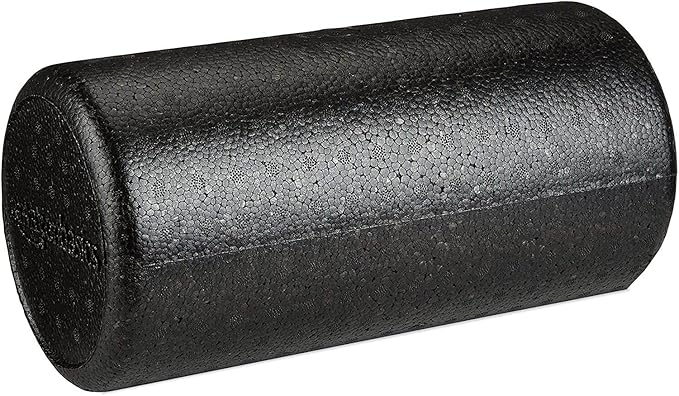
The Amazon Basics Round High-Density Foam Roller comes in multiple lengths (12, 18, 24, and 36 inch). The 12-inch version is the one we like for cyclists — it's small enough to keep at the office for a midday quad release if you've ridden in the morning, and the high-density foam gives enough pressure to actually be effective. Pair it with the FITINDEX at home and you'll never have an excuse to skip rolling.
How to use a vibrating foam roller on cyclist quads (the right way)
Most cyclists roll too fast and too aggressively, which actually braces the muscle and prevents release. The protocol that works:
- Warm the tissue (2 min). Set the vibrating roller to its lowest speed and roll the full length of the quad from hip flexor to just above the knee. Five slow passes per leg.
- Hunt for trigger points (2-3 min). Bump the speed to medium. When you find a tender spot, stop and hold for 30-45 seconds. Slowly bend and straighten the knee while parked on the spot — this is called "tack and floss" and dramatically increases the effect.
- Cross-friction the IT band/vastus lateralis seam (1 min). Turn onto your side and roll the outer thigh. This is the area most cyclists neglect, and it's where the worst chronic tightness lives.
- Cool down (1 min). Drop back to low speed, full-length passes, then get off the floor and walk for 60 seconds before stretching.
Total time: 6-8 minutes per leg. Do it within 30 minutes post-ride for the best fascia response, or before bed on rest days.
When NOT to use a vibrating roller on your quads
Vibrating rollers are not a fit for every situation. Skip vibration and stick with static pressure (or skip rolling entirely) if you have:
- Acute quad strain (pain on contraction within the past 7 days)
- Active patellar tendinopathy — rolling above the kneecap can aggravate it
- Recent cortisone injection in the area
- Varicose veins along the rolling path
- DVT history without medical clearance
If you're not sure whether your quad issue is muscular tightness or a tendon problem, see a sports physio before adding aggressive vibration. For most healthy cyclists, though, vibrating foam rollers for cyclists quad tightness are one of the safest and most effective recovery interventions available.
Pair your roller with the right complementary tools
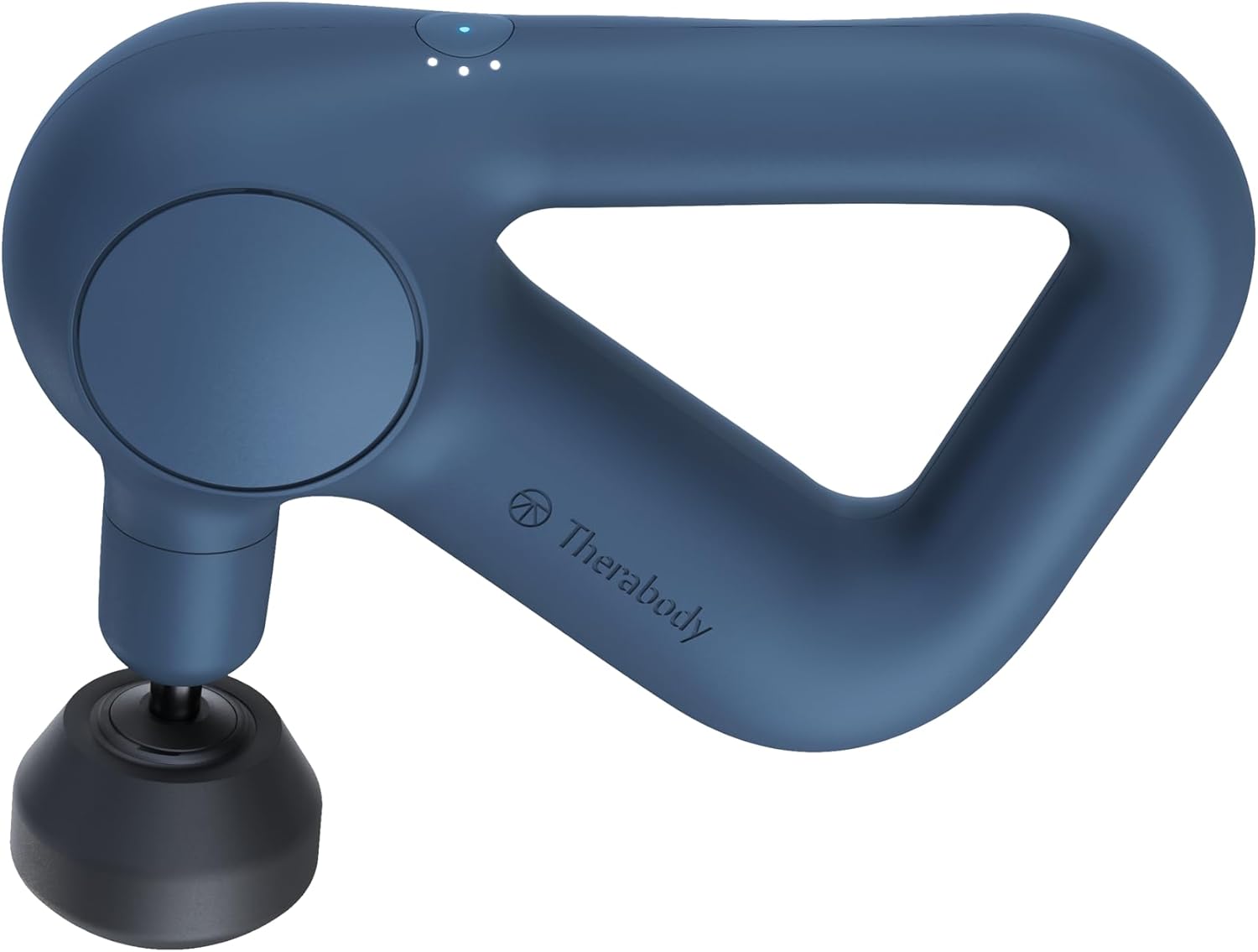
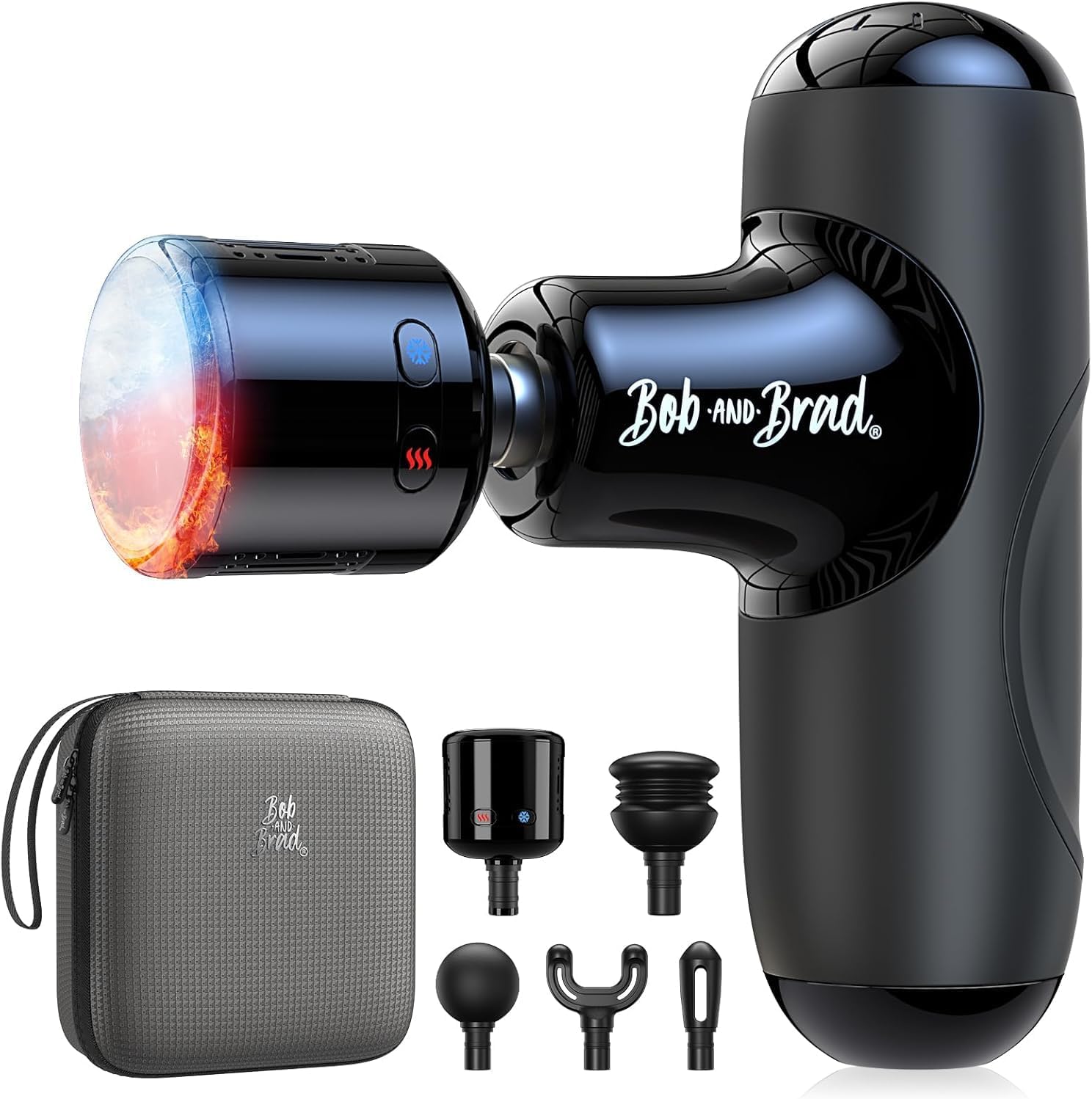
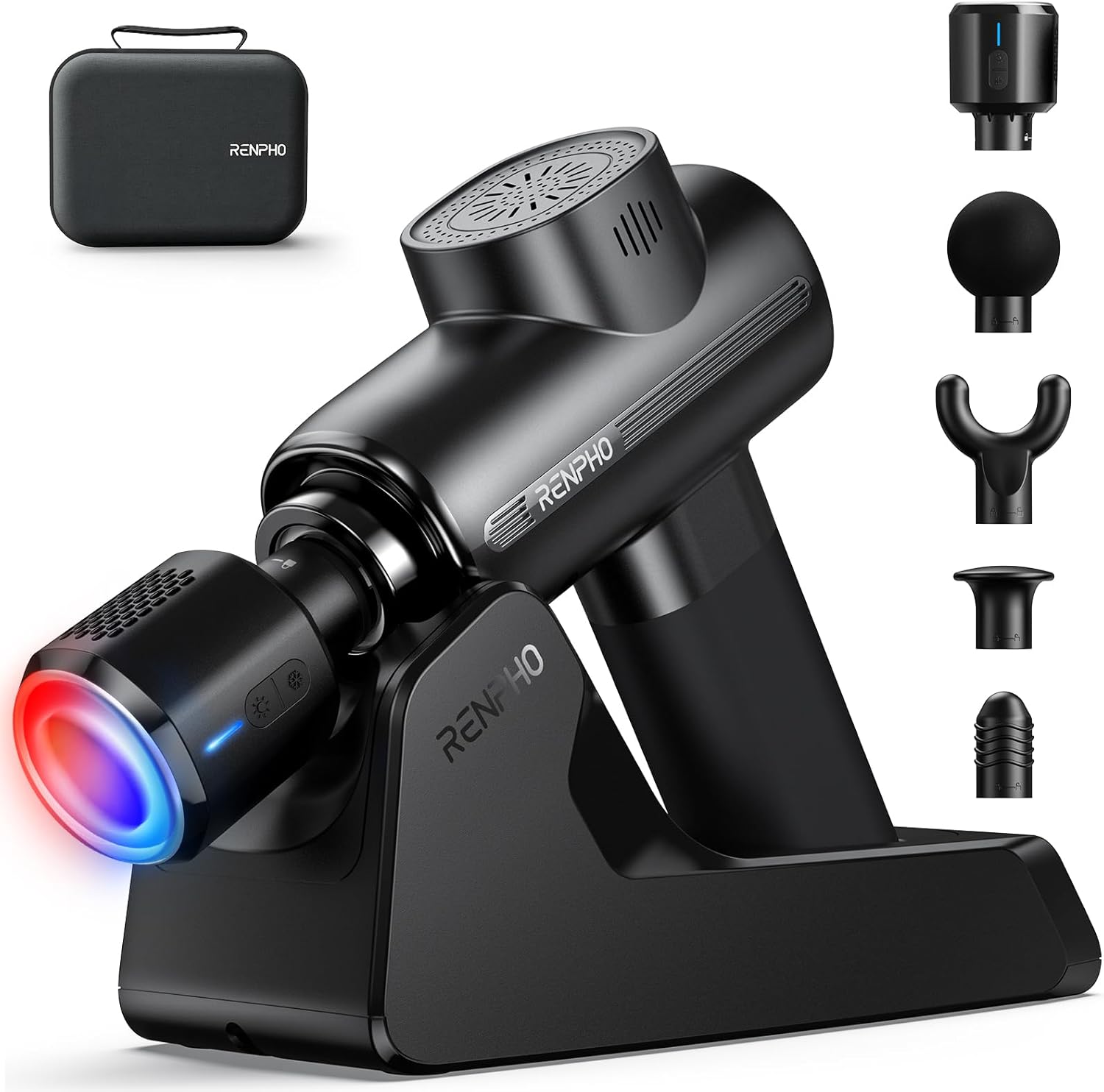
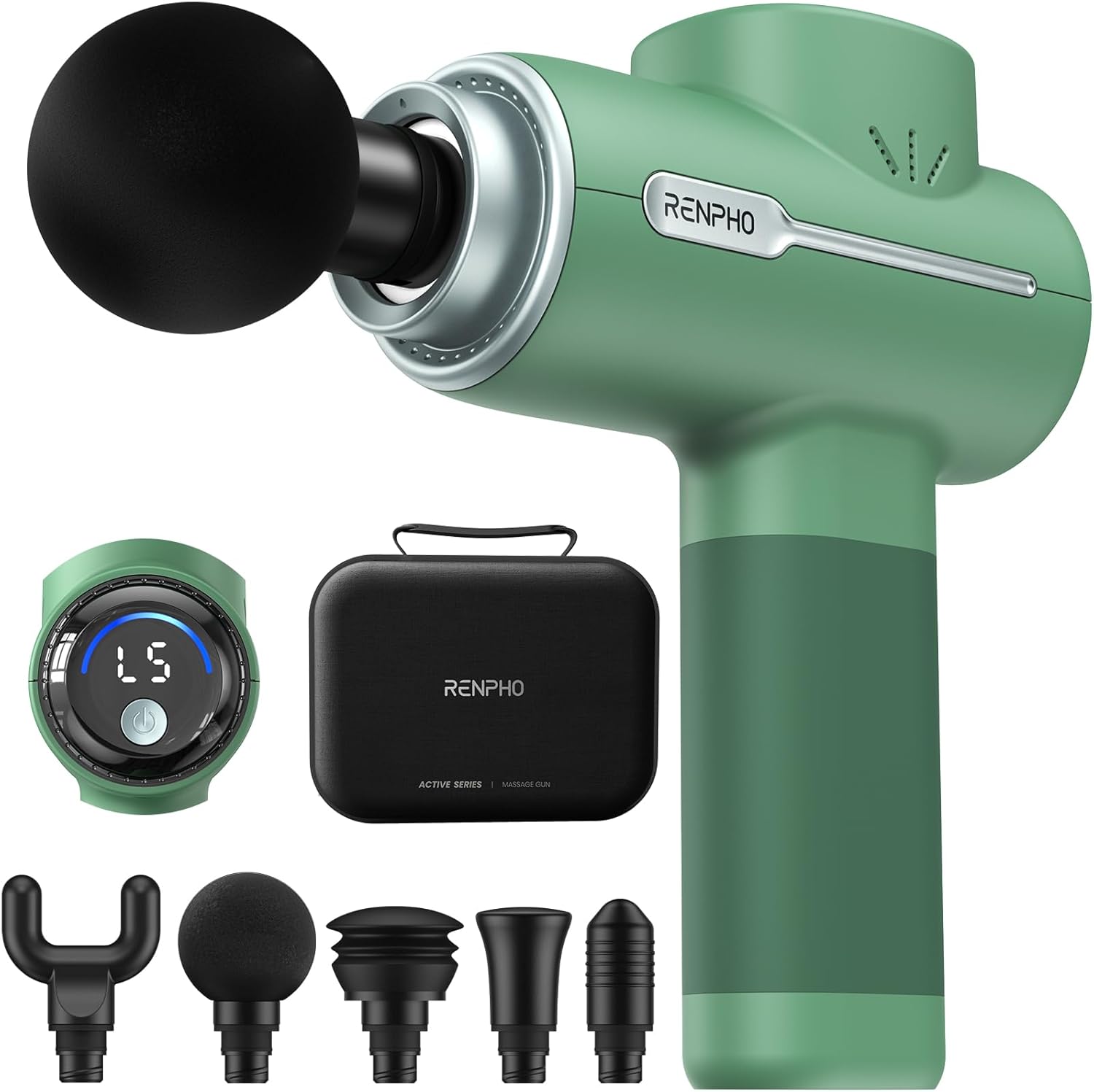
A vibrating roller handles the bulk muscle, but cyclists with chronic quad tightness usually benefit from layering in a couple of other tools. A percussion massage gun is more precise for the rectus femoris attachment near the AIIS (the bony bump on your pelvis where the quad originates). See our guide to best massage guns for cyclists with tight hip flexors for our top picks. A lacrosse ball or peanut ball works better than a roller for the deep glute medius, which often refers pain into the lateral quad — check our guide to massage balls for cyclist glute trigger points. Finally, if you find quad tightness is worst in the morning, an overnight compression sleeve can help — see our comparison of recovery compression tights for cyclists.
Frequently Asked Questions
How often should cyclists use a vibrating foam roller on tight quads?
For chronic tightness, daily 5-8 minute sessions per leg for the first 2-3 weeks, then drop to 3-4 times per week as a maintenance dose. Most cyclists see meaningful change in quad mobility within 10-14 days of consistent use. Don't roll the same area for more than 90 seconds at a time on a high vibration setting — you can bruise the tissue and create more guarding.
Are vibrating foam rollers better than massage guns for cyclist quad recovery?
They serve different purposes. Vibrating rollers are better for broad surface release of the entire quad complex in one efficient session — you get bodyweight pressure plus oscillation across the full muscle belly. Massage guns are better for pinpoint work on specific knots or attachment points (like the VMO near the knee or the rectus femoris origin at the pelvis). For chronic quad tightness, most cyclists benefit from using both: roller for daily recovery, gun for targeted trigger points 2-3 times per week.
What's the best vibrating foam roller speed setting for sore cyclist quads after a long ride?
Start at the lowest speed for the first 2 minutes to let the muscle accept the input. After that, settings 2-3 out of 5 (roughly 2,400-3,000 RPM) is the sweet spot for post-ride recovery on sore quads. Save the highest setting for chronic, stubborn trigger points on rest days, never directly after a hard ride when tissue is already inflamed.
Can a vibrating foam roller help with cycling-related knee pain from tight quads?
Frequently yes, when the knee pain is caused by quad tightness pulling on the patella. Tight rectus femoris and vastus lateralis fibers create a constant upward and lateral pull on the kneecap, which is a common driver of patellofemoral pain in cyclists. Releasing the quad with a vibrating roller often resolves the symptom within 2-3 weeks. However, if knee pain persists or worsens, see a sports doctor — not all knee pain is muscular.
Should I roll before or after cycling for quad tightness?
After is more important. Pre-ride, a 60-90 second light vibration warm-up at low speed is fine and can improve range of motion, but skip aggressive rolling before riding — it temporarily reduces force production for about 30-45 minutes. Post-ride, within the first 30 minutes, is when foam rolling has the biggest effect on recovery and next-day tightness.
Are FSA/HSA eligible vibrating foam rollers worth it for cyclists?
If your employer offers an FSA or HSA, absolutely — the FITINDEX model above is FSA/HSA eligible, which effectively gives you a 20-37% discount depending on your tax bracket. Rollers used for recovery from a documented musculoskeletal condition (which chronic cyclist quad tightness qualifies as) are reimbursable. Save the receipt and submit it through your benefits portal.
How long do vibrating foam rollers typically last with daily cycling use?
The foam itself on a quality vibrating roller will hold its density for 3-5 years of daily use. The limiting factor is usually the battery — expect 2-3 years before the lithium-ion pack loses meaningful capacity. The FITINDEX is rated for around 500 full charge cycles, which works out to roughly 2.5 years of every-other-day charging. When the battery dies, the roller still functions as a standard high-density roller, so you're not out anything.
Key Takeaways
- Choosing the right vibrating foam rollers for cyclists quad tightness means matching capacity and output ports to your actual devices
- Always check actual watt-hours (Wh), not just watts — runtime depends on Wh, not peak output
- Also covers: cycling quad recovery vibrating roller
- Also covers: best vibrating roller for cyclists
- Also covers: road cyclist tight quads roller
- Compare price-per-Wh across models to find the best value for your budget