How to foam roll quads after ACL reconstruction depends entirely on which post-op week you're in. Weeks 0–2: do not roll the operative leg at all. Weeks 2–4: gentle, indirect work on the non-surgical leg and adjacent muscle groups. Weeks 4–6: light, slow passes on the quad well above the incision. Weeks 6–12: progressive, moderate-pressure full-length rolling. Week 12 and beyond: dense rollers and vibrating tools for full tissue recovery. This 2026 guide walks you through exact pressure, roller choice, durations, and red flags for each phase — built around the most common ACL graft types (bone-tendon-bone, hamstring, quad tendon) and surgeon-approved rehab milestones.
Why quad work matters more after ACL surgery than any other rehab
The quadriceps lose strength and tone almost the moment your surgeon harvests a graft and immobilizes the knee. Arthrogenic muscle inhibition — the reflex shutdown of the quad after joint injury — combined with weeks of reduced bearing leaves the vastus medialis flat, the rectus femoris dense and ropy, and the iliotibial band yanking at the lateral knee. Foam rolling won't restore strength on its own, but it does three critical things: it desensitizes the quad so it fires more readily during straight leg raises, it restores fascial glide so extension lag resolves faster, and it manages soreness from the new loading you layer on during phase 2 and 3 rehab.
The week-by-week foam rolling protocol
Weeks 0–2: Hands off the surgical leg
Do not place a foam roller on the operative leg during the first 14 days. The incision is sealed but fragile, swelling is at its peak, and pressure on the suprapatellar tendon or hamstring graft site can disrupt healing. What you can do: gentle, supported rolling of the non-surgical quad, both calves, glutes, and lower back to keep the rest of the kinetic chain mobile. Use the lightest density roller you own and keep sessions under five minutes. This is also the window where a vibrating roller used on your calves and uninjured leg can help downregulate the nervous system and improve sleep quality — both of which compound healing.
Weeks 2–4: Indirect, off-incision work begins
Once your surgeon clears the dressing and the incision is fully closed (typically the two-week post-op visit), you can begin foam rolling muscle groups that connect to the quad without touching the incision itself. Roll the upper third of the quad (proximal to mid-thigh, never within four inches of the incision), the TFL just below the hip, the lateral hip, and the entire hamstring of the surgical leg with a very soft pad. Two passes of 30 seconds each, body weight only — no leaning. Stop if you see swelling increase or feel sharp pain at the graft site.
Weeks 4–6: Direct quad rolling, light pressure
Now you can begin rolling the entire quad of the surgical leg — still avoiding any scar tissue area within two to three inches of the incision. Use a low-to-medium density roller and prop on forearms so only 40–50% of your body weight loads the roller. Three slow passes from just above the knee to the hip, holding tender spots for 20–30 seconds. Add internal and external rotation by turning your hip in and out to access the vastus lateralis and vastus medialis. This is the phase where most people see breakthrough range-of-motion gains — both knee flexion and the hard-to-recover terminal extension.
Weeks 6–12: Full-pressure, full-length protocols
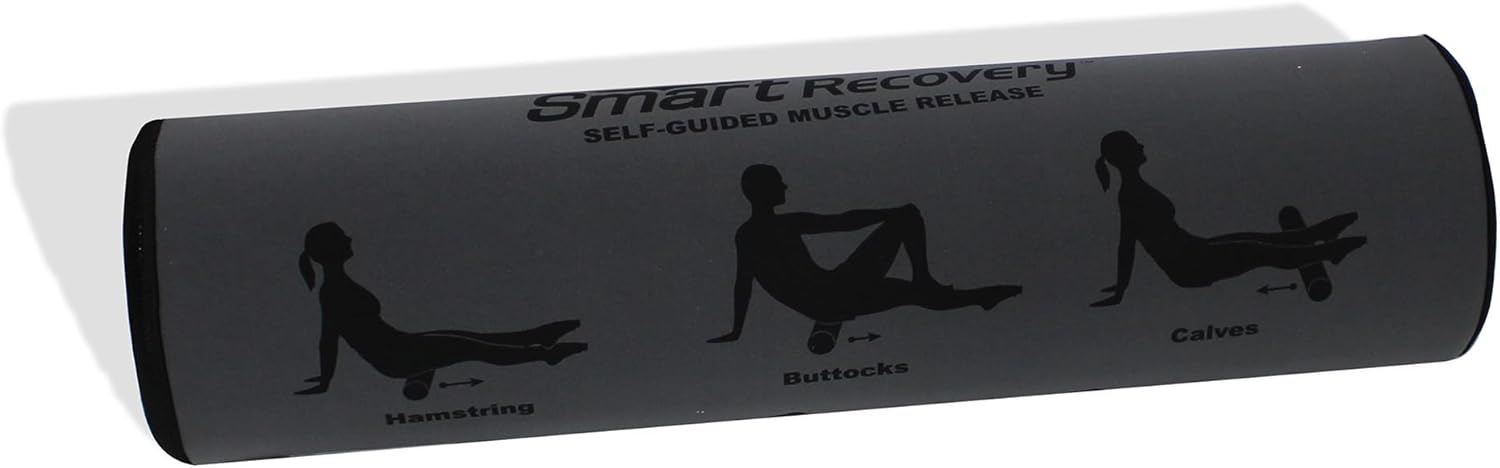
From week six onward, assuming an uncomplicated graft and surgeon sign-off, you can use full body weight on a standard high-density roller. This is also when textured grid rollers come in — they reach deeper fascial layers and break up adhesion that builds along the IT band and lateral quad after weeks of altered gait. Roll for two to three minutes per leg, before and after strength sessions. The pre-workout pass primes blood flow and improves quad activation; the post-session pass manages DOMS and keeps you progressing on plyometrics and return-to-run drills without the dreaded next-morning quad lock.
Week 12 and beyond: Vibration, density, and maintenance
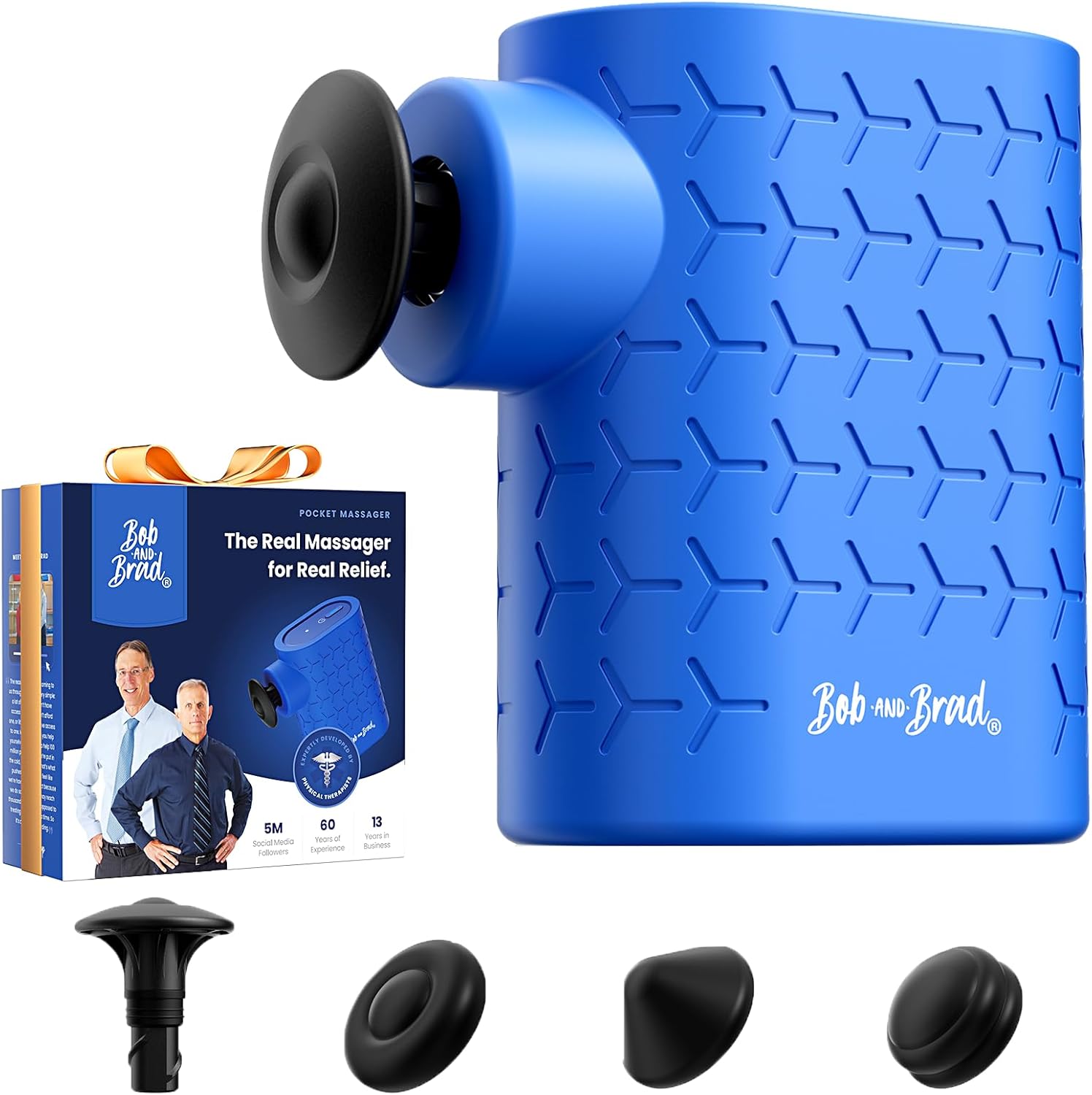
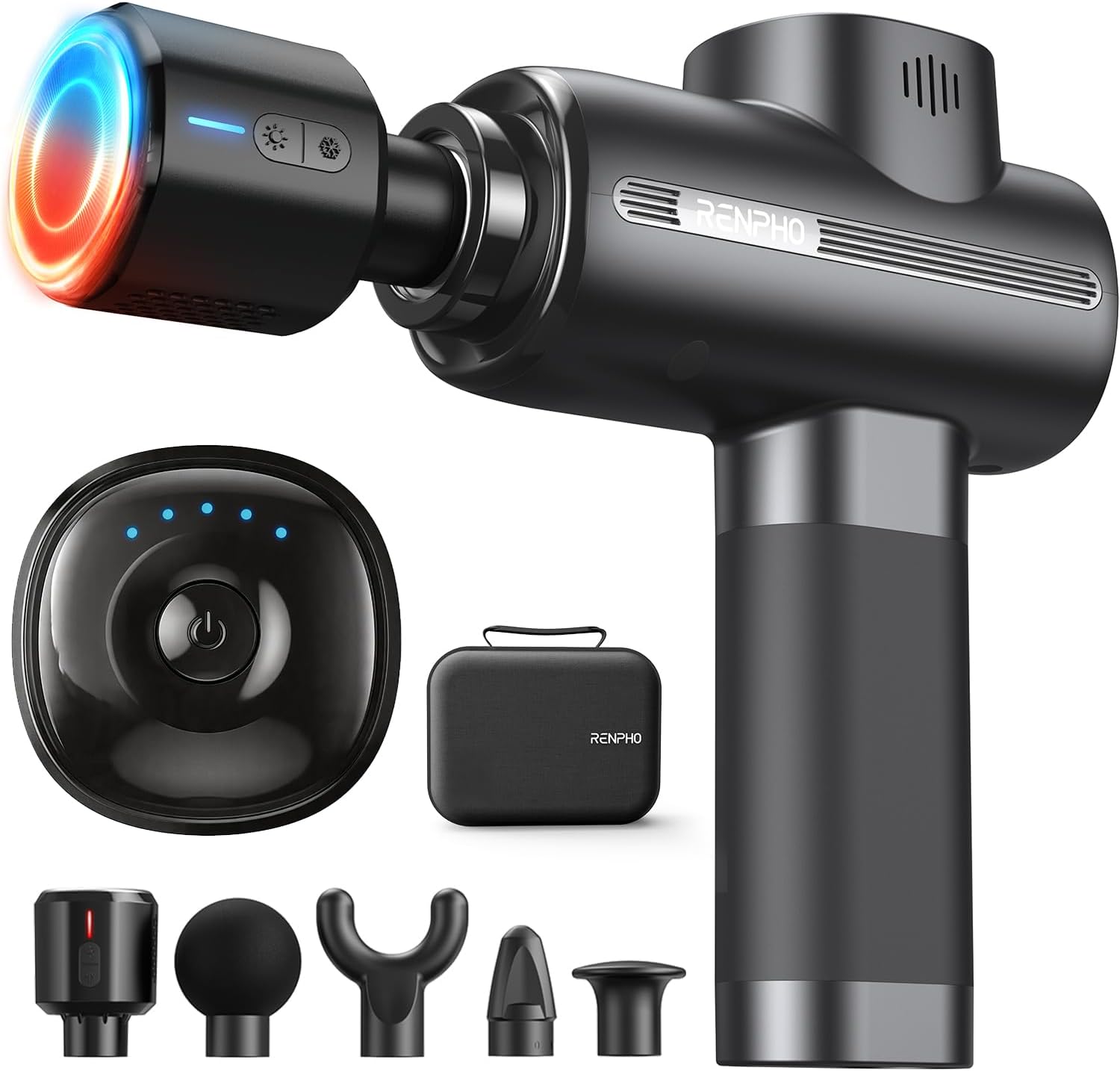
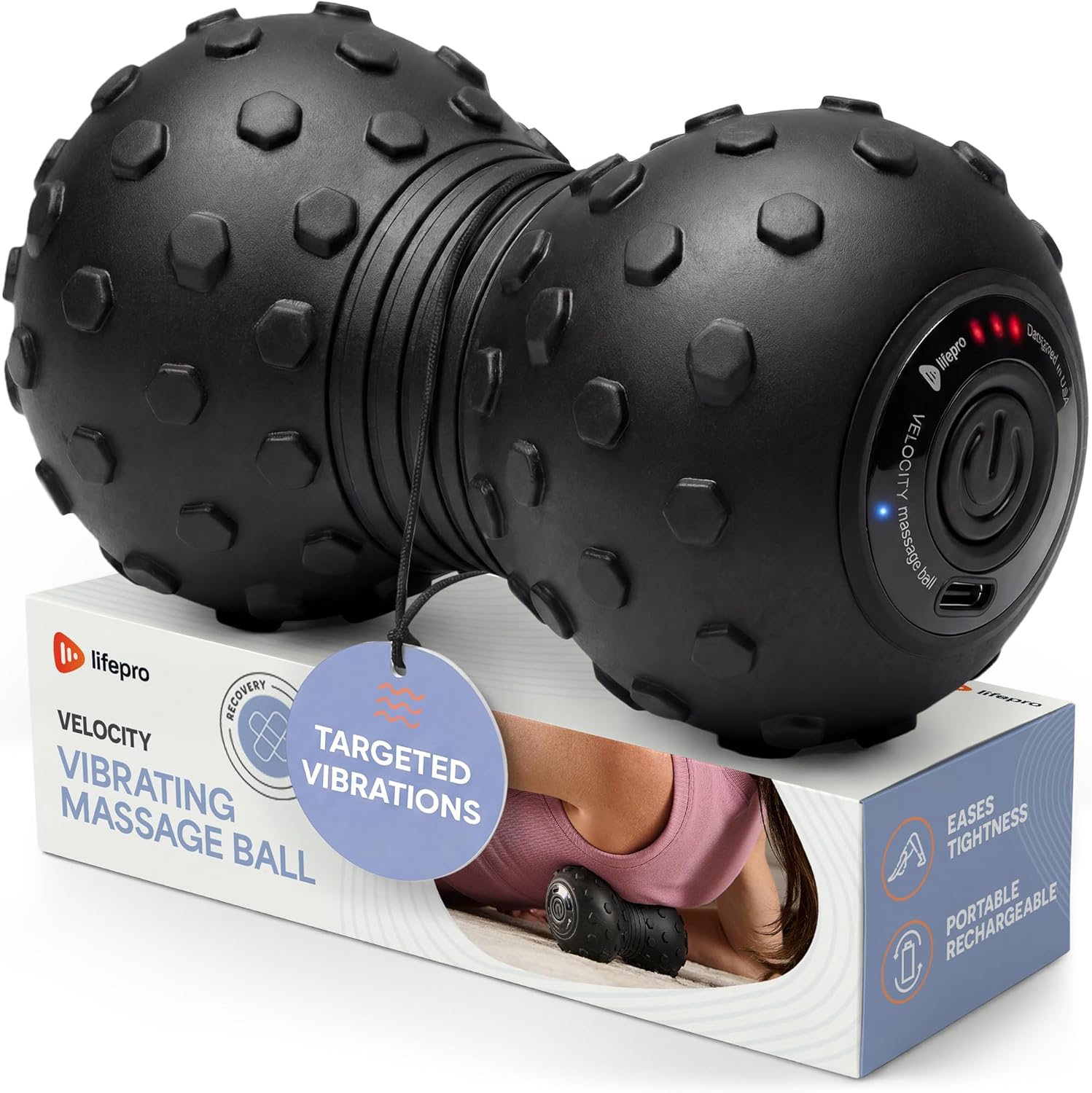
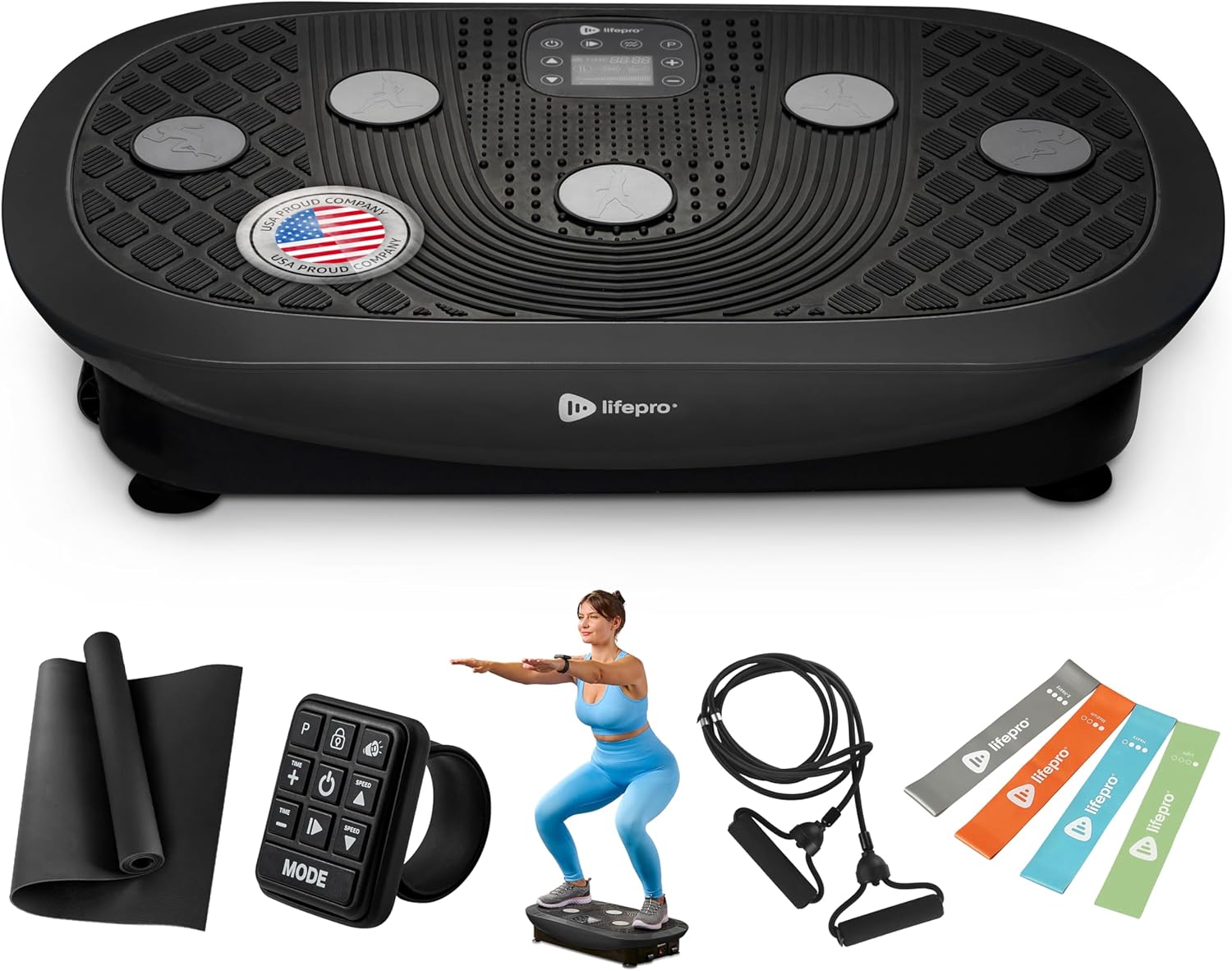
By the three-month mark, you're typically returning to jogging, light agility, and bilateral plyos. Vibrating rollers shine here because they produce the same fascial release in 30 seconds that a standard roller takes two minutes for, letting you fit recovery into a busy rehab schedule. Five-in-one sets give you a roller plus targeted balls for the deep VMO and tight bands behind the kneecap. This is also when many ACL patients struggle with chronic patellar tendinopathy from the rebuilt mechanics — see our guide to post-surgery foam roller selection for tools that target patellar fat-pad swelling specifically.

Best foam rollers for each phase of ACL rehab in 2026
The right roller changes phase by phase. A dense textured roller you use in month 4 would be far too aggressive at week 4. Below is a comparison of the rollers we recommend across the full ACL rehab timeline, followed by specific picks for each phase.
| Roller | Density | Length | Best Phase | Vibration |
|---|---|---|---|---|
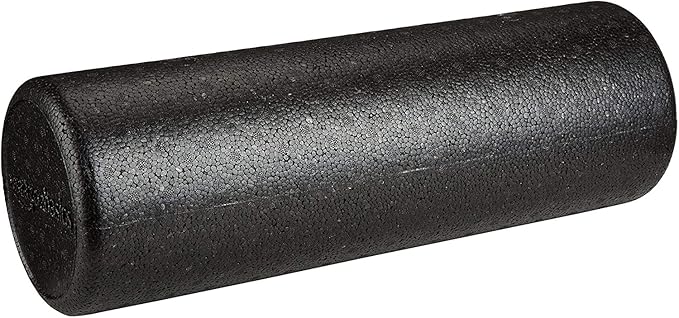
| Amazon Basics High-Density 18" | High | 18 in | Weeks 6+ | No |
| FITINDEX Vibrating 5-Speed | Medium-High | 13 in | Weeks 2+ (low), 12+ (high) | Yes |
| Krightlink 5-in-1 Set | Mixed | 13 in | All phases | No |
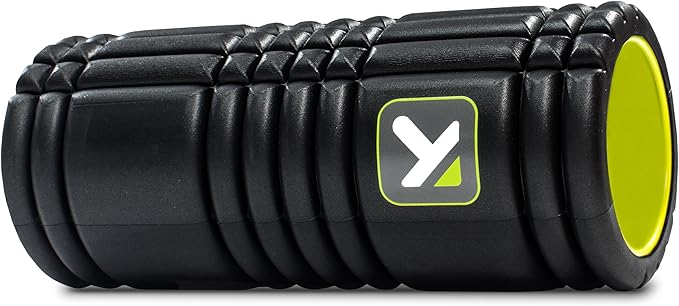
| TriggerPoint GRID 1.0 | Multi-density | 13 in | Weeks 6+ | No |
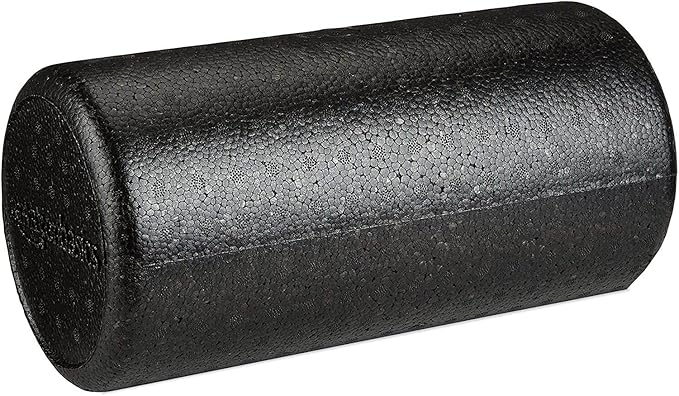
| Amazon Basics Round High-Density | High | 12/18/24/36 in | Weeks 6+ | No |
FITINDEX Vibrating 5-Speed Foam Roller — best for the first 12 weeks
The FITINDEX is the roller most ACL patients should start with because the lowest of its five vibration speeds delivers fascial input without requiring any meaningful pressure from you. That matters during weeks 2–6 when your quad is still hyper-sensitive and you're working at 30–50% body weight. By month three you can crank it to speed 4 or 5 and get serious deep tissue work without bracing on a hard density roller. It's also FSA/HSA eligible, so you can pay for it pre-tax through your post-surgery medical funds. Check the FITINDEX vibrating roller on Amazon.
Krightlink 5-in-1 Foam Roller Set — best variety pack for full rehab
The Krightlink set is the best single purchase for someone who wants every tool they'll need from week 2 through return to sport. It includes a 13-inch hollow EVA roller, a massage stick for the IT band, a peanut ball for the VMO and adductors, a spike ball for the calf and posterior chain, and a stretching strap that doubles as your post-op knee flexion tool. The variety lets you address all the tissues that get neglected when you focus only on the quad — calves, glutes, and posterior chain whose tightness extends quad recovery by weeks. See the Krightlink 5-in-1 set on Amazon.
TriggerPoint GRID 1.0 — best mid-rehab transition roller
Around week 6–8, when your tissue can finally tolerate texture and deeper pressure, the TriggerPoint GRID 1.0 is the gold standard. Its multi-density EVA surface mimics the feel of skilled massage hands — broad flat sections for the rectus femoris, narrow ridges to dig into the vastus lateralis, and rounded nubs that target trigger points without bruising. It's the roller most physical therapists keep in the clinic for exactly this stage of rehab. View the TriggerPoint GRID 1.0 on Amazon.
Amazon Basics High-Density Foam Roller, 18 inch — best budget late-phase pick
By the time you're at week 12+ and back to full strength training, a simple high-density roller does 90% of what fancier options do at a fraction of the price. The Amazon Basics 18-inch is firm enough to deliver real pressure through the rectus femoris, long enough to cover the full quad in one pass, and at under $20 it's the roller to grab as a maintenance tool you'll keep for years past your ACL recovery. Check the Amazon Basics 18-inch roller on Amazon.
Amazon Basics High-Density Round Roller — best for length variety
If you want length options (the 36-inch is excellent for thoracic mobility and full-body rolling), the round Amazon Basics line gives you four size choices at the same density. The 36-inch in particular is what most ACL patients eventually use for the prone quad stretches that pair with foam rolling during weeks 8–16, since you can lay the full length of your thigh across it. See the Amazon Basics round roller options.
Technique that protects your graft
Three rules apply at every phase of how to foam roll quads after ACL reconstruction. First: slow. One inch per second is the target. Fast rolling triggers protective tightening, not release. Second: breathe. Hold tender spots for two full exhales, then move on. If you can't breathe through it, you're pressing too hard. Third: stay above the incision until your surgeon clears scar mobilization (usually six weeks). Direct pressure on healing surgical tissue can disrupt collagen alignment and create the kind of restrictive scar that delays terminal extension for months. See our companion piece on vibrating roller benefits in rehabilitation for evidence on why vibration is the safer modality before week 6.
Red flags — stop rolling and call your surgeon
Foam rolling should never produce sharp pain, increased swelling that persists into the next day, warmth or redness at the incision, audible clicking from the graft site, or any sense of instability. Any of these means stop, ice, and contact your surgical team. A small bruise where you rolled too hard on a deep VL trigger point is fine; a hot, swollen knee that throbs at rest the next morning is not. When in doubt, give it 48 hours, then resume at half the pressure.
Pairing foam rolling with the rest of your recovery
Foam rolling is one node in a larger recovery system. Pair each session with the quad activation drills your PT prescribed — straight leg raises, terminal knee extensions, quad sets — within five minutes of finishing your roll. The window of decreased tone is short, and you want to capture it with neuromuscular re-education before it closes. If your rehab also includes percussive therapy, our guide on how to use a massage gun after knee surgery covers timing, attachments, and the same week-by-week rules so you don't double-dose tissue work on the same day.
Putting it all together
Mastering how to foam roll quads after ACL reconstruction is a phase-driven discipline: nothing in weeks 0–2, indirect-only in weeks 2–4, light direct work in weeks 4–6, progressive loading in weeks 6–12, and full vibration plus density from week 12 onward. Match the roller to the phase, keep pressure conservative, and stop the moment anything sharp, hot, or swollen shows up. Do that and your quad will recover its tone, your knee will reclaim its terminal extension, and you'll return to sport on or ahead of schedule rather than fighting the chronic stiffness that defines a botched ACL rehab.
Frequently Asked Questions
How soon after ACL surgery can I foam roll my quad directly?
Direct quad rolling on the surgical leg typically starts between weeks 4 and 6, once the incision is fully closed and your surgeon has confirmed at the post-op visit that there's no infection, dehiscence, or graft concern. Indirect work on adjacent muscles can begin around week 2–3. Always defer to your surgeon's specific protocol — bone-tendon-bone grafts heal slightly differently than hamstring or quad tendon grafts.
Can foam rolling damage my ACL graft?
Direct pressure on the graft fixation site during the first six weeks can theoretically irritate the soft-tissue interface where the graft anchors. After six weeks, with a properly healing graft, foam rolling on the quad muscle belly poses no risk to the graft itself — the graft is intra-articular and protected by the joint capsule. The risk is to the surgical incision and overlying scar tissue, not the graft.
Should I foam roll my quad before or after physical therapy?
Both, but for different reasons. A two-minute roll before PT improves quad activation and reduces protective tightness during strengthening drills. A three-to-five-minute roll after PT manages delayed onset soreness and prevents the next-day stiffness that derails progress. The post-session roll should be slightly longer and slower than the pre-session one.
Is a vibrating foam roller safer than a regular one after ACL surgery?
Yes, during weeks 2–6. Vibration provides the neurological input that produces fascial release without requiring you to load the roller with significant body weight. That means less risk of accidentally compressing the incision or graft fixation site. After week 8, both modalities are equivalent in safety; the choice becomes preference.
How long should I foam roll my quad after ACL reconstruction each session?
Phase-dependent: 30 seconds per pass with two passes (weeks 4–6), 90 seconds per pass with two to three passes (weeks 6–12), and two to three minutes total per leg (week 12+). Total daily quad rolling rarely needs to exceed five minutes. More time doesn't equal more recovery — it just delays the strengthening work that actually rebuilds the limb.
Can I foam roll directly over the ACL surgery scar?
Not until at least week 6, and even then only with the lightest vibration or hand-rolled scar mobilization technique your PT teaches you. Direct foam roller pressure on the scar before it's fully remodeled (around 12 weeks) can create adhesions or reopen healing tissue. Once cleared, gentle cross-friction with your fingertips is more effective than a foam roller anyway.
What's the best foam roller for ACL recovery on a tight budget?
The Amazon Basics High-Density 18-inch roller at under $20 covers everything you need from week 6 onward. Pair it with a single tennis ball for the earlier indirect work on the IT band and TFL, and you have a complete sub-$25 recovery kit. Upgrade to vibration or a grid pattern only if your rehab specifically calls for it or you have FSA/HSA dollars to spend.
Key Takeaways
- Choosing the right how to foam roll quads after acl reconstruction means matching capacity and output ports to your actual devices
- Always check actual watt-hours (Wh), not just watts — runtime depends on Wh, not peak output
- Also covers: foam rolling timeline post acl surgery
- Also covers: acl recovery quad foam roller progression
- Also covers: post op acl foam rolling weeks 4 12
- Compare price-per-Wh across models to find the best value for your budget