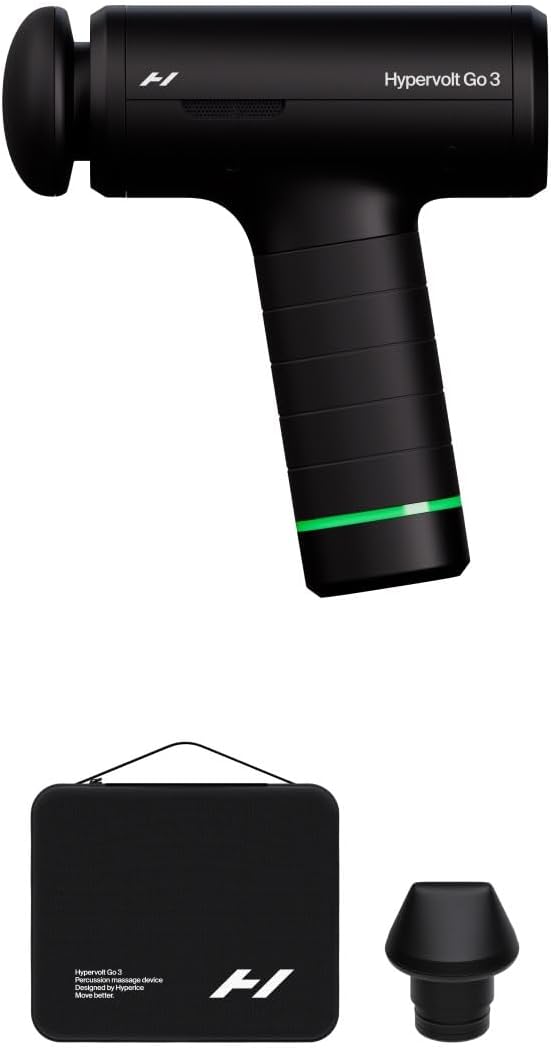
The short answer on massage gun before workout vs after recovery: use your percussion device for 30 to 60 seconds per muscle at low intensity before training to wake up tissue, boost blood flow, and improve range of motion without sedating the muscle. After training, use it for 90 seconds to 2 minutes per muscle at medium-to-high intensity to flush metabolic waste, calm the nervous system, and accelerate recovery. The same tool, two completely different protocols. Mixing them up is the most common mistake we see at the gym in 2026, and it is exactly why some lifters say massage guns hurt their workouts while others swear by them.
Why Timing Changes Everything
A massage gun is a neuromuscular tool, not just a vibrator. Short bursts of percussion at low amplitude tell the muscle spindle to relax momentarily, which is great for unlocking range of motion before squats or overhead presses. Long, deep, slow percussion does something almost opposite: it floods the tissue with blood, downregulates the sympathetic nervous system, and shifts you toward parasympathetic (recovery) mode. That is exactly what you want lying on the couch after leg day, but it is the last thing you want 90 seconds before a heavy clean.
Research summarized through 2025 consistently shows pre-workout percussion improves range of motion by 5 to 10 degrees in joints like the hip and shoulder without reducing peak force output, provided you keep each muscle under 60 seconds. Go longer and you start seeing small but real drops in vertical jump and sprint speed. That is the cliff to avoid pre-workout.
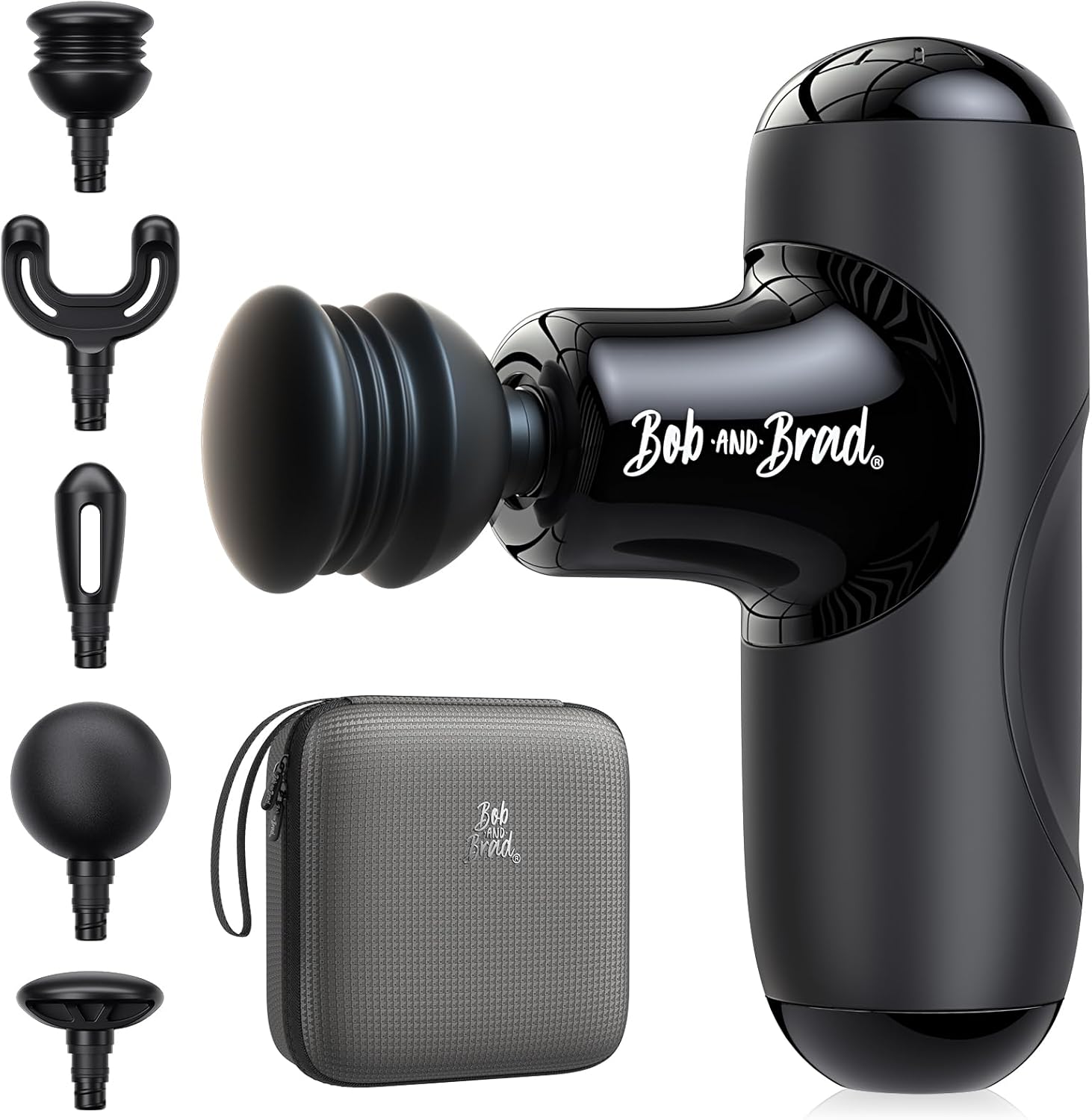
The Pre-Workout Protocol (Activation Mode)
Treat pre-workout massage gun use like a primer, not a deep tissue session. Here is the timing template that has held up across coaches and physical therapists this year:
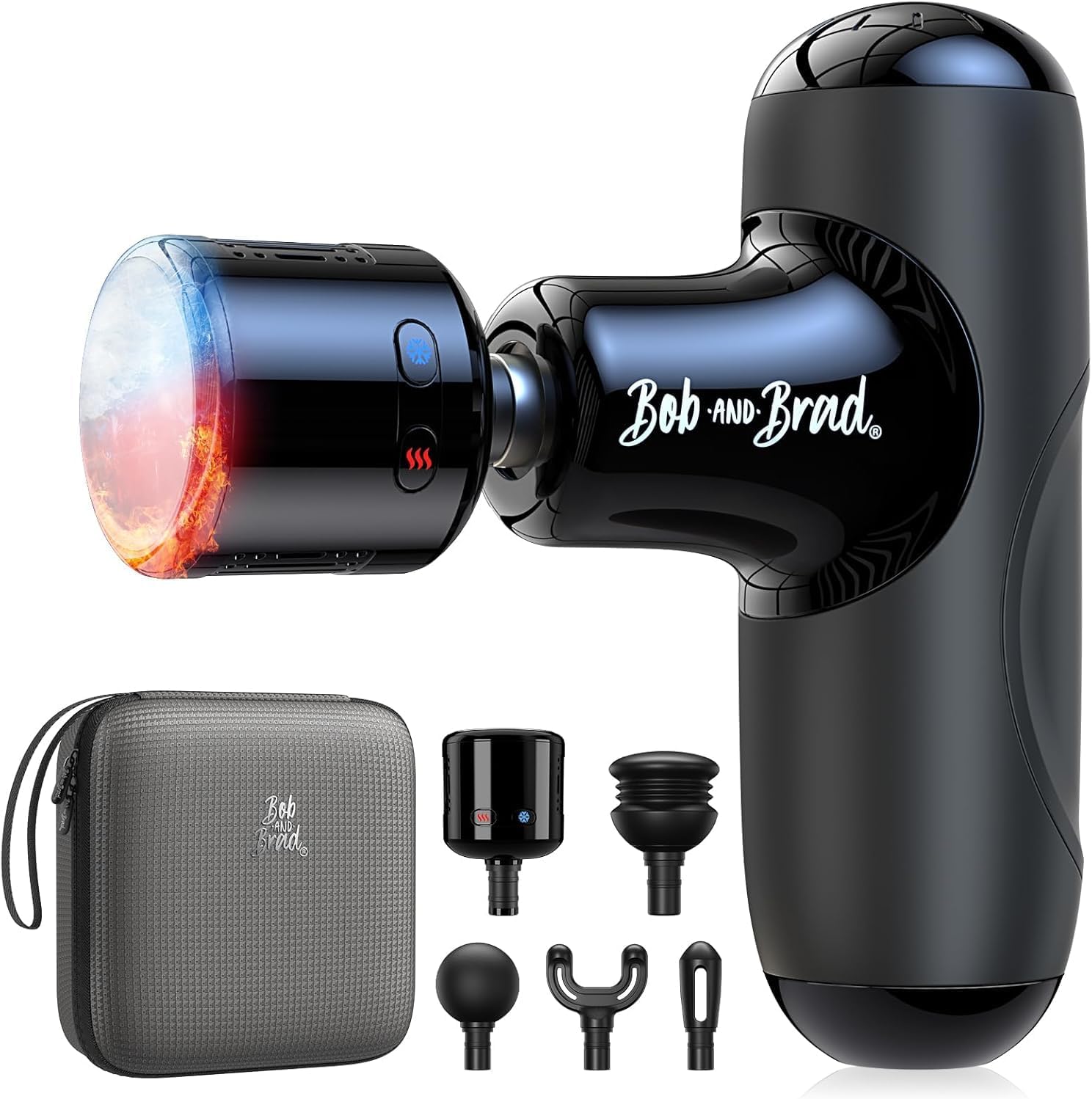
- Intensity: Speed 1 or 2 (low amplitude attachments like the flat head or fork).
- Duration per muscle: 30 to 60 seconds max.
- Movement: Glide along the muscle belly, never park on one spot.
- Total session: 5 to 8 minutes covering only the muscles you are about to train.
- Finish with: 2 to 3 dynamic stretches or activation drills (band pull-aparts, glute bridges, leg swings) to lock in the new range of motion.
If you skip the dynamic drills after percussion, you waste most of the benefit. The nervous system needs an active signal that says \"use this new range under load.\" For a deeper dive on warmup sequencing, see our dynamic warmup routine guide.
The Post-Workout Protocol (Recovery Mode)
After training, the goal flips. You want depth, you want time, and you want to spend the most attention on the muscles that did the heaviest work. The recovery template:
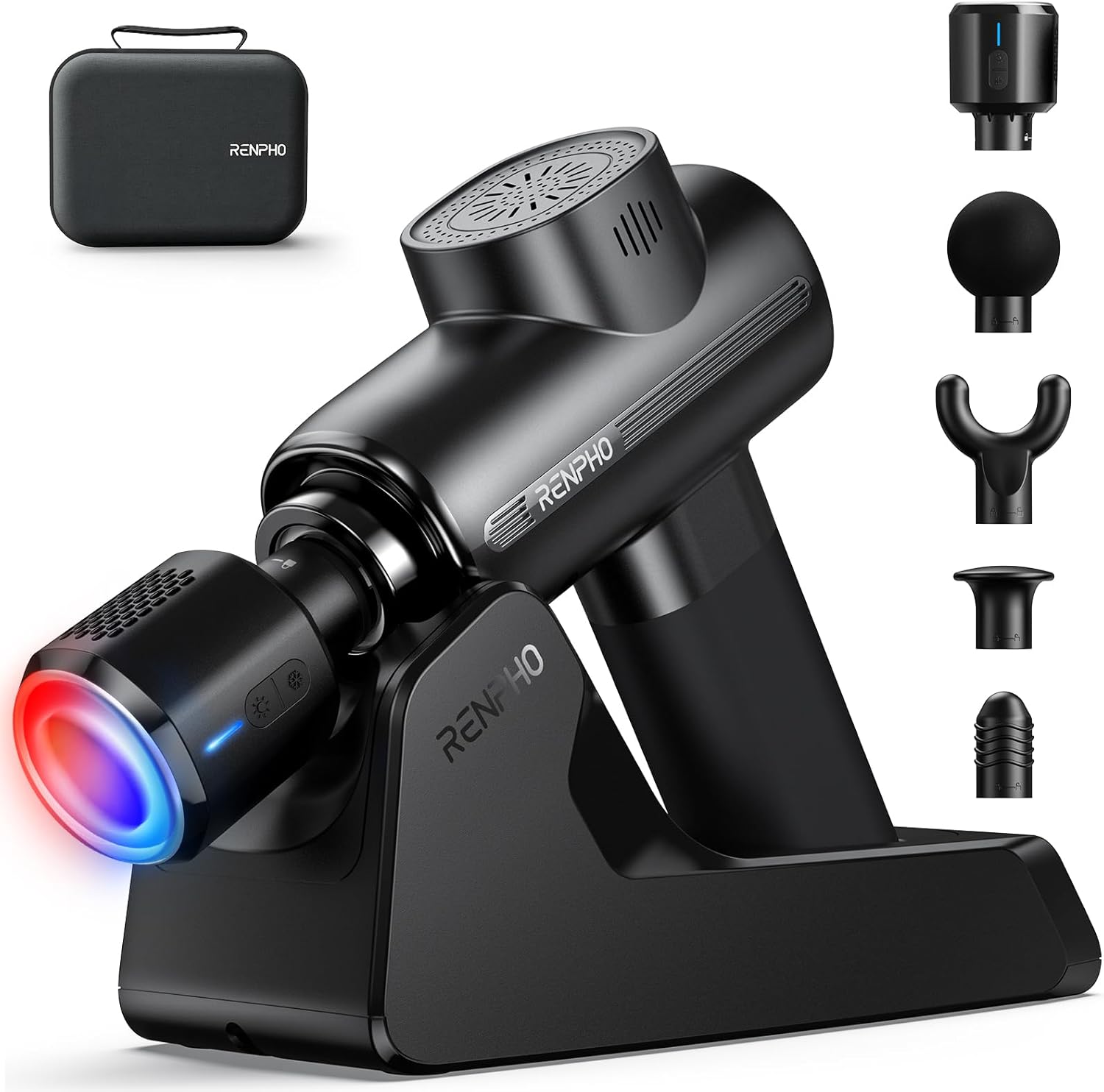
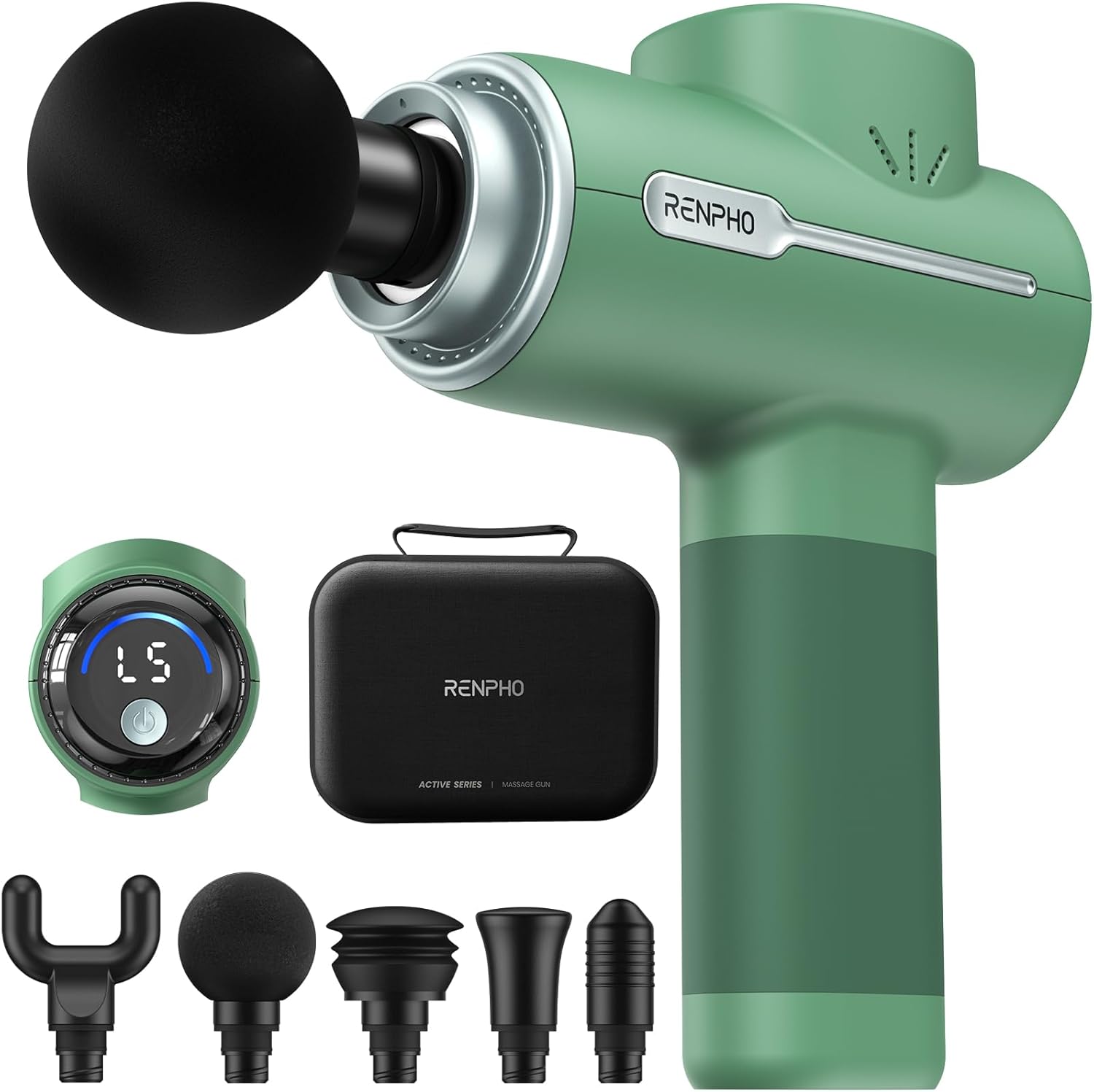
- Intensity: Speed 2 to 4, switching to deeper attachments (ball, bullet for trigger points).
- Duration per muscle: 90 seconds to 2 minutes.
- Movement: Slower passes, brief pauses (5 to 10 seconds) on knotted spots, never on bone or nerve pathways.
- Timing window: Within 30 minutes of finishing, or before bed on training days.
- Pair with: Foam rolling longer surfaces (quads, lats, thoracic spine) where a massage gun is awkward.
This is where foam rollers become essential partners, not competitors. A massage gun is surgical, a foam roller is a wide brush. The combination of massage gun before workout vs after recovery work, layered with foam rolling, gives you the most complete recovery stack without spending an hour on the floor every night.
Massage Gun vs Foam Roller: When to Use Which
| Scenario | Best Tool | Why | Time Needed |
|---|---|---|---|
| Pre-workout activation (specific muscles) | Massage gun, low speed | Targeted, fast, no setup time | 5 to 8 min |
| Pre-workout general warmup (back, quads, lats) | Foam roller | Covers large surface area quickly | 3 to 5 min |
| Post-workout deep recovery (calves, glutes, forearms) | Massage gun, medium speed | Reaches deep tissue and trigger points | 10 to 15 min |
| Post-workout flush (thoracic spine, IT band area, quads) | Foam roller (textured or vibrating) | Sustained pressure across long muscle groups | 5 to 10 min |
| Daily mobility / rest day | Foam roller | Lower intensity, easier on nervous system | 10 min |
| Travel / hotel room workouts | Massage gun | Portable, no floor space needed | Variable |
Recovery Tools That Pair Best With Your Massage Gun in 2026
Most lifters get the most out of percussion therapy when they also have a quality foam roller for the broad surfaces a massage gun handles poorly. These are the picks we keep recommending this year because they fit specific recovery jobs.
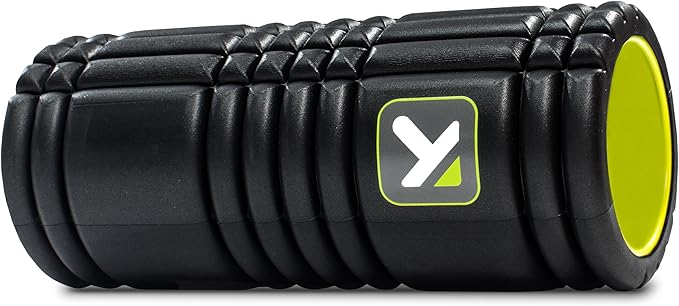
Best All-Around Foam Roller: TriggerPoint Grid 1.0
The TriggerPoint Grid 1.0 is the foam roller most physical therapists default to because its multi-density EVA surface mimics finger, palm, and thumb pressure. The hollow core makes it light enough to throw in a gym bag, and the 13-inch length is the sweet spot for solo work on quads, hamstrings, and thoracic spine. Use it post-workout for 30 to 60 seconds per muscle group, then finish trigger points with your massage gun. Check current pricing on Amazon for the TriggerPoint Grid 1.0.
Best Vibrating Roller (HSA/FSA Eligible): FITINDEX 5-Speed
If you want the recovery benefits of percussion plus the surface coverage of foam rolling in one tool, the FITINDEX Vibrating Foam Roller bridges the gap. Five vibration speeds let you mirror your massage gun protocol: lowest setting for pre-workout (60 seconds per muscle), highest for post-workout flush. It is also FSA/HSA eligible in 2026, which most lifters do not realize they can spend on recovery gear. Particularly useful for the upper back, where holding a massage gun overhead gets tiring. See current price on Amazon for the FITINDEX Vibrating Foam Roller.
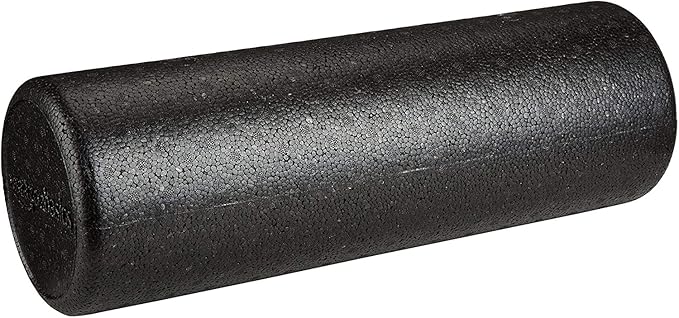
Best Budget Pick for Beginners: Amazon Basics 18-Inch High-Density
If you are new to recovery work and not ready to invest, the Amazon Basics High-Density Foam Roller in 18 inches is the gateway. It is firm enough to do real work on the IT band area and lats, long enough to lay on lengthwise for thoracic extension drills, and inexpensive enough that you will not feel guilty leaving it in the corner of the bedroom. Pair it with cheap percussion sessions on stubborn spots. Available on Amazon as the Amazon Basics 18-inch foam roller.
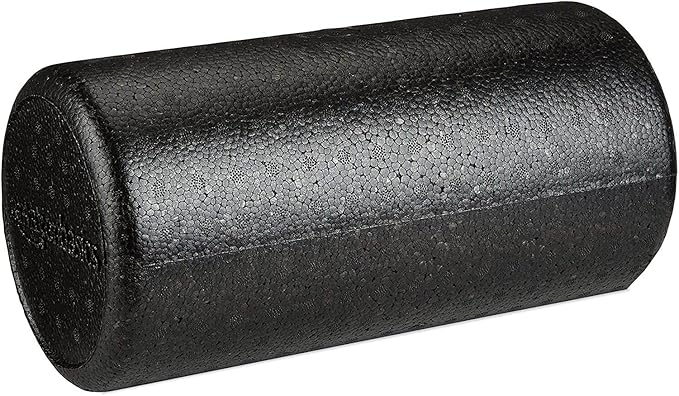
Best Travel Roller: Amazon Basics Round High-Density
The shorter Amazon Basics High-Density Round version fits inside a carry-on and weighs almost nothing. For lifters who travel for work and want to maintain their pre-workout and recovery routine on the road, this is the no-brainer add-on to a portable massage gun. Use it in hotel rooms when floor space is tight. Grab it on Amazon as the Amazon Basics round foam roller.
Best Variety Pack: Krightlink 5-in-1 Foam Roller Set
For lifters who want pre-workout, post-workout, and trigger-point coverage in one kit, the Krightlink 5-in-1 includes a textured foam roller, a smooth roller, a massage stick, a spiky ball, and a figure-8 stretch strap. Use the textured roller for post-workout deep tissue work, the massage stick for calves before sprints, and the spiky ball where your massage gun cannot easily reach (under the foot, between shoulder blades). It is the most complete starter kit if you are building a home recovery setup. Available on Amazon as the Krightlink 5-in-1 set.
Putting It All Together: A Sample Training Day
Here is how the massage gun before workout vs after recovery framework looks in a real session, using leg day as the example:
Pre-workout (10 minutes total): Foam roll quads, glutes, and thoracic spine for 30 to 45 seconds each. Switch to massage gun on speed 1 or 2 for 45 seconds each on glute medius, adductors, and calves. Finish with 5 minutes of dynamic mobility (leg swings, world's greatest stretch, glute bridges).
Post-workout (15 minutes total): Massage gun on speed 3 for 90 seconds each on quads, hamstrings, calves, glutes, and lower back. Switch to foam roller for slower passes along the IT band region and thoracic spine. If you have a vibrating roller, run it on highest speed for the final pass.
For a complete recovery stack including sleep, hydration, and nutrition timing, our post-workout recovery protocol guide goes deeper.
Mistakes That Wreck Your Results
- Going too long pre-workout. Over 60 seconds per muscle pre-workout can reduce power output. Set a timer.
- Going too intense post-workout day-of. If you crushed a PR, do gentler percussion that night and save deep work for 24 to 48 hours later when DOMS peaks.
- Hitting bone, nerves, or joints. Stay on muscle bellies. Never percuss the front of the neck, lower spine, or kidneys.
- Skipping foam rolling entirely. A massage gun cannot replicate the sustained pressure of bodyweight on a foam roller for long muscle groups.
- Using only one speed. Buy a multi-speed device and actually change speeds for different phases.
Frequently Asked Questions
How long should I use a massage gun before a workout?
Cap each muscle at 30 to 60 seconds and the total session at 5 to 8 minutes. Going longer at pre-workout intensity can slightly dampen power output, which is the opposite of what you want before lifting heavy or sprinting.
Can I use a massage gun immediately after lifting weights?
Yes. The window from 0 to 30 minutes post-lift is ideal for medium-intensity percussion (speed 2 to 3) at 90 seconds to 2 minutes per worked muscle. It helps clear metabolic byproducts and shifts your nervous system toward recovery mode faster than passive rest alone.
Is foam rolling or a massage gun better for DOMS?
For delayed-onset muscle soreness (DOMS) that peaks 24 to 48 hours after training, both work but they work differently. Foam rolling distributes broad pressure across large muscle groups, which feels more tolerable on extremely sore tissue. Massage guns are better for stubborn trigger points once the worst of the soreness has eased. Use the foam roller day-of and the day after, then add percussion as soreness fades.
Should I use a massage gun every day?
Yes, but vary intensity. Daily use on speed 1 or 2 for general circulation is safe and beneficial. Daily deep-tissue percussion on the same muscle is not. Rotate which muscles get the heavy treatment, and give any one muscle at least 48 hours between high-intensity sessions.
Can I use a massage gun on my lower back?
Only on the muscles to either side of the spine (the erector spinae), never on the spine itself or the kidneys. Use low intensity, glide rather than park, and stop if you feel any sharp pain or nerve sensation. For low back tightness, a foam roller used for thoracic extension is often safer and more effective.
What speed should I use on a massage gun for legs after running?
After a run, use medium speed (around speed 3 on most devices) for 90 seconds on calves, quads, IT band area, and glutes. Finish with low speed on the bottoms of the feet using a small ball attachment for 30 seconds each side. This combination addresses both the impact of running and the chronic tightness most runners carry.
Do massage guns help with flexibility long-term?
They help indirectly. Percussion alone produces short-term range-of-motion gains that fade within hours. Combine it consistently with dynamic mobility work, strength training through full range, and yoga or static stretching, and you get real long-term flexibility changes. The massage gun makes the other inputs more effective, but it is not a standalone flexibility tool.
Key Takeaways
- Choosing the right massage gun before workout vs after recovery means matching capacity and output ports to your actual devices
- Always check actual watt-hours (Wh), not just watts — runtime depends on Wh, not peak output
- Also covers: pre workout massage gun warmup
- Also covers: massage gun timing before training
- Also covers: post workout percussion gun recovery
- Compare price-per-Wh across models to find the best value for your budget