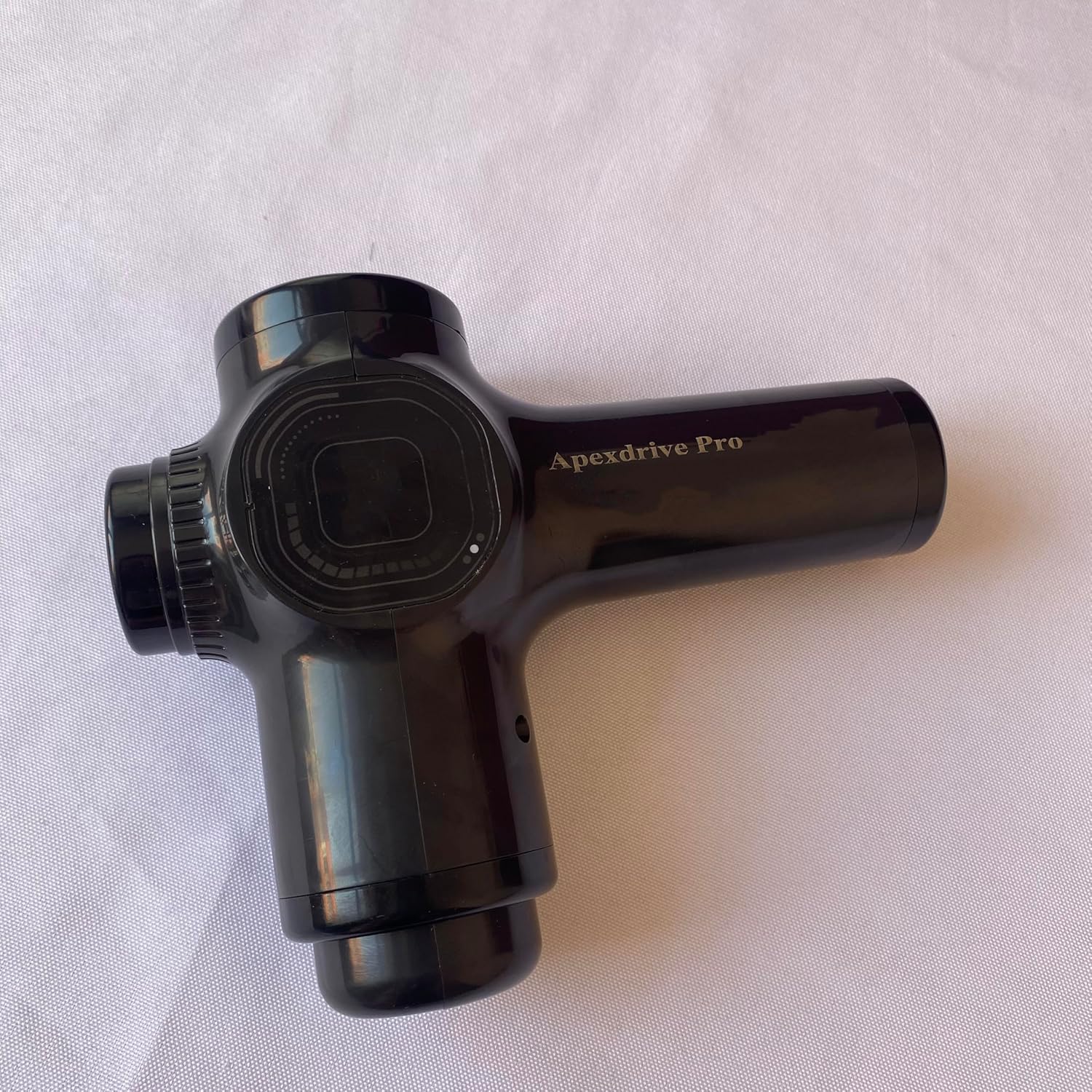
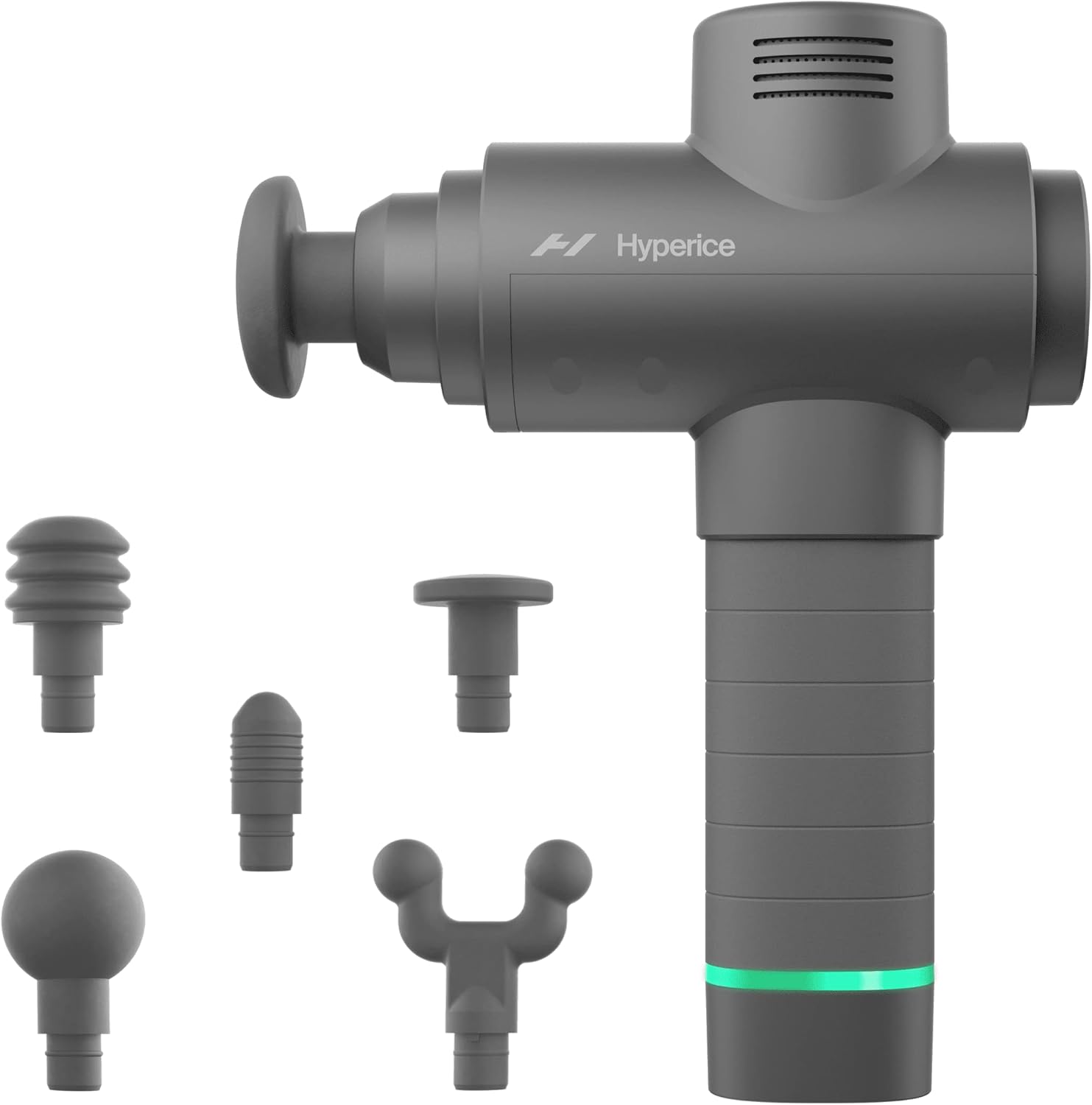
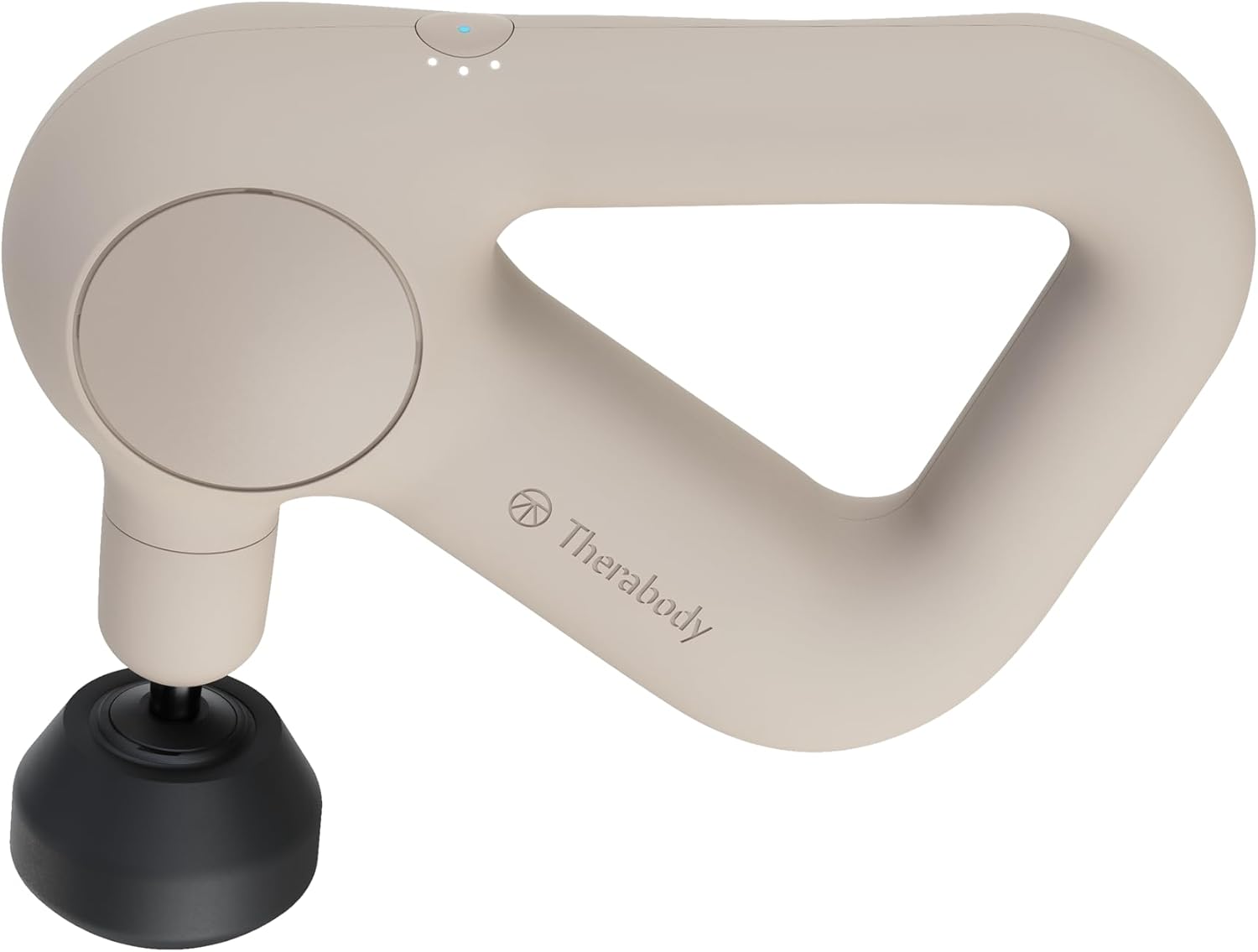
If you're a luthier whose forearms ache after carving necks, fretwork, and french-polishing, a massage gun for luthier forearm pain can be a game-changer — when used correctly. Set the device to a low speed (1,800–2,400 RPM), choose a flat or fork attachment, and float (never press) for 60–90 seconds per muscle along the flexor and extensor compartments. Avoid bone, the tendon attachments at the elbow, and the radial pulse at the wrist. Done at the end of each bench session, this 6-minute protocol relieves the gripping, twisting, and sanding fatigue that builds up over a 10-hour day in 2026's busy custom-build shops.
Why luthier forearms break down faster than most
Guitar building is one of the most forearm-intensive trades in modern craft. Between thicknessing tops with a card scraper, planing a neck blank, drilling tuner holes, polishing frets with a crowning file, and the sustained pinch grip required for inlay work, your flexor digitorum superficialis and extensor carpi radialis muscles fire thousands of times an hour. Add the static tension of holding a body against a thigh while you cut a binding channel, and you have a recipe for chronic microtrauma — the same mechanism behind golfer's elbow and lateral epicondylitis.
The pain typically lives in three zones: the medial elbow (golfer's elbow zone), the lateral elbow (tennis elbow zone), and the belly of the forearm muscles themselves, which become ropy and tender to the touch. A percussion massager addresses the muscle bellies directly, breaks up adhesions in the fascia, and increases blood flow to clear metabolic waste — all without you needing a second set of hands.
Anatomy: where to put the head, and where to avoid
Hold your arm out, palm up. The bulk on the underside of your forearm is the flexor compartment — these muscles close your fingers around a fret-press handle. Flip your arm over and the bulk on top is the extensor compartment — these stabilize the wrist during planing.
Target zones: the meaty middle third of both compartments, roughly two finger-widths below the elbow crease to two finger-widths above the wrist.

Avoid: the bony points at the elbow (medial and lateral epicondyles), the inside of the wrist where the radial and ulnar arteries run, the funny bone (ulnar nerve at the elbow), and any spot where you feel pins-and-needles. Tendons can be treated lightly with a flat head only — never a bullet or cone.
The 6-minute end-of-bench protocol
- Speed 1, flat head, 90 seconds per flexor. Rest your forearm palm-up on the bench. Glide the head from the wrist toward the elbow in slow, overlapping passes.
- Speed 2, flat or fork head, 90 seconds per extensor. Flip palm-down. Same gliding pattern.
- Speed 1, 30 seconds, trigger points. Find a tender knot, sink in just enough to feel pressure (not pain), and let the gun do the work.
- Cool-down stretch. Praying-mantis stretch for 30 seconds each direction.
Use the protocol once at the midday break and once after closing the shop. If you're nursing an acute flare, drop to once per day and ice for ten minutes afterward.
Why pair a massage gun with a foam roller in a luthier's shop
A percussion device is wonderful for focal work, but luthiers also accumulate tension in the upper back, lats, and chest from leaning over the bench. That postural load eventually pulls on your forearms through the kinetic chain. A foam roller addresses these bigger muscle groups quickly and cheaply, and for many small-shop owners it's the most cost-effective single recovery purchase. If you're building out a full station, see our companion piece on recovery tools for makers and our forearm stretches for craftspeople for the stretching side of the equation.
Comparison: recovery tools that pair well with a percussion massager
| Tool | Best for the luthier | Density | Length | Vibration |
|---|---|---|---|---|
| FITINDEX Vibrating Foam Roller | Forearm + lat blast with percussion feel | Firm EVA | 13 in | 5-speed |
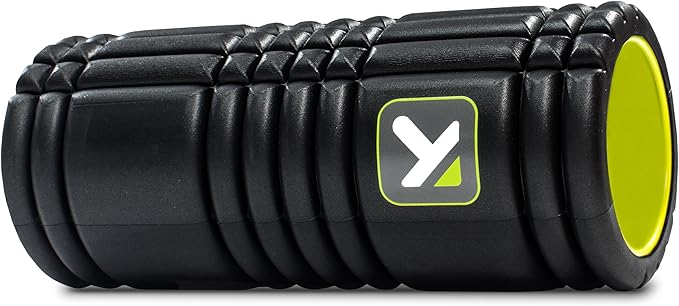
| TriggerPoint Grid 1.0 | Travel-friendly forearm rolling on grid pattern | Multi-density | 13 in | None |
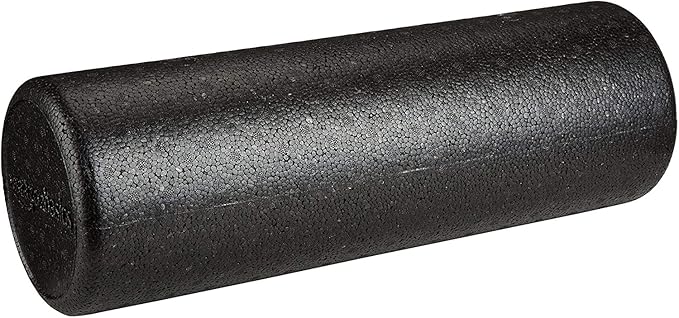
| Amazon Basics 18" High-Density | Full back & lats after long bench days | High | 18 in | None |
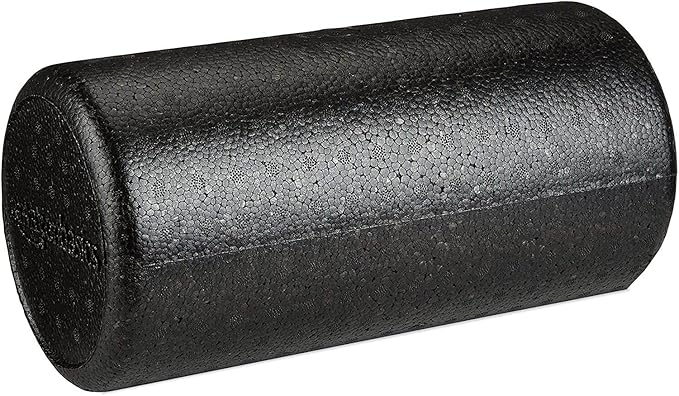
| Amazon Basics Round High-Density | Budget all-rounder for shoulders & chest | High | Various | None |
| Krightlink 5-in-1 Set | Includes massage stick + ball for forearm | Mixed | Set | None |
Top product picks for forearm and full-body recovery
FITINDEX Vibrating Foam Roller — the closest thing to a built-in massage gun
If you don't already own a percussion device, the FITINDEX vibrating roller is the smartest single purchase for a one-person guitar shop. Five speeds let you dial in everything from gentle warm-up shaking to deep post-build trigger work, and the textured surface grips the forearm muscles without sliding off when your skin is dusty from rosewood. Many luthiers roll their forearms across it on the bench for two minutes between glue-ups. It's also FSA/HSA eligible, which matters if you've routed shop expenses through a health spending account. Check the FITINDEX Vibrating Foam Roller on Amazon.
TriggerPoint Grid 1.0 — the standard for forearm and upper-back work
The Grid is the foam roller physical therapists hand to chronic-pain patients, and luthiers love it for the same reason: the multi-density grid pattern mimics fingertip, palm, and thumb pressure, so a single tool can address every layer of forearm tissue. At 13 inches it tucks beside a sharpening station, and the hollow plastic core won't deform after a year of daily use. See the TriggerPoint Grid 1.0 on Amazon.
Amazon Basics 18" High-Density Foam Roller — for the upper back and lats
The longer 18-inch length is what you want when you collapse on the shop floor after closing and just need to undo the hunch. It supports your entire spine and is firm enough to dig into the rhomboids that lock up from sustained bench posture. At a sub-$20 price it's the easiest yes on this list. View the Amazon Basics 18" Foam Roller on Amazon.

Krightlink 5-in-1 Foam Roller Set — bench-friendly multipurpose kit
The Krightlink set includes a hollow roller, massage stick, peanut, spiky ball, and resistance band — covering virtually every muscle a luthier abuses. The massage stick alone is worth it for forearm work: roll it down each compartment with your opposite hand while watching the kettle boil. It's also the kit I recommend to traveling repair techs who set up a portable bench at festivals. Browse the Krightlink 5-in-1 Set on Amazon.
Amazon Basics High-Density Round Foam Roller — the budget workhorse
If you're outfitting a tight apprentice shop and can only justify one $15 expense, this is it. The round high-density roller works for forearms (with the opposite hand pressing your arm against it on the bench), shoulders, chest-opener stretches, and full back rolling. It's not fancy, but it survives lacquer dust and the occasional dropped chisel. See the Amazon Basics Round Roller on Amazon.
Settings, attachments, and pressure for a massage gun for luthier forearm pain
The biggest mistake luthiers make is treating a percussion device like a chisel: more pressure must equal more relief. The opposite is true on forearm tissue. Keep your settings between 1,800 and 2,400 RPM, use a flat or large-ball head, and let the device float across the muscle. Watch the skin: if it blanches white under the head, you're pressing too hard. A correctly applied pass leaves a slightly pink, warm muscle, never a bruise. If you wake up with deep aching the morning after a session, you dialed in too much pressure or stayed too long over a tendon.
Building a weekly recovery rhythm around your build schedule
Most successful one-person shops I interviewed for our tendonitis-prevention guide structure recovery the same way they structure glue-up days: predictable, scheduled, non-negotiable. A reasonable weekly rhythm looks like this:
- Monday–Friday: 6-minute protocol at midday and after the bench.
- Tuesday & Thursday evenings: 10-minute foam-roll session for back, lats, and chest.
- Saturday: Long heat-and-stretch session before any catch-up bench work.
- Sunday: Complete rest. No instruments, no work.
When self-care isn't enough
Percussion massage and foam rolling treat muscle and fascia. If your pain is sharp, localized at the bony elbow, wakes you at night, or comes with weakness gripping a coffee cup, you may have true tendinopathy that needs a hand therapist or orthopedic evaluation. A massage gun for luthier forearm pain is a maintenance tool, not a substitute for a diagnosis. Get checked, get an eccentric-loading protocol from a PT, and use the recovery tools in this guide as the daily upkeep that keeps you at the bench through your sixties and beyond.
Frequently Asked Questions
How often should a luthier use a massage gun on the forearms?
Twice a day on workdays is the sweet spot — once at lunch and once after closing. Each session should be six minutes total across both forearms. Skip days when the muscle is acutely sore or bruised, and reduce frequency if you start to feel deep aching the next morning instead of relief.
Can a massage gun cause more forearm pain if used wrong?
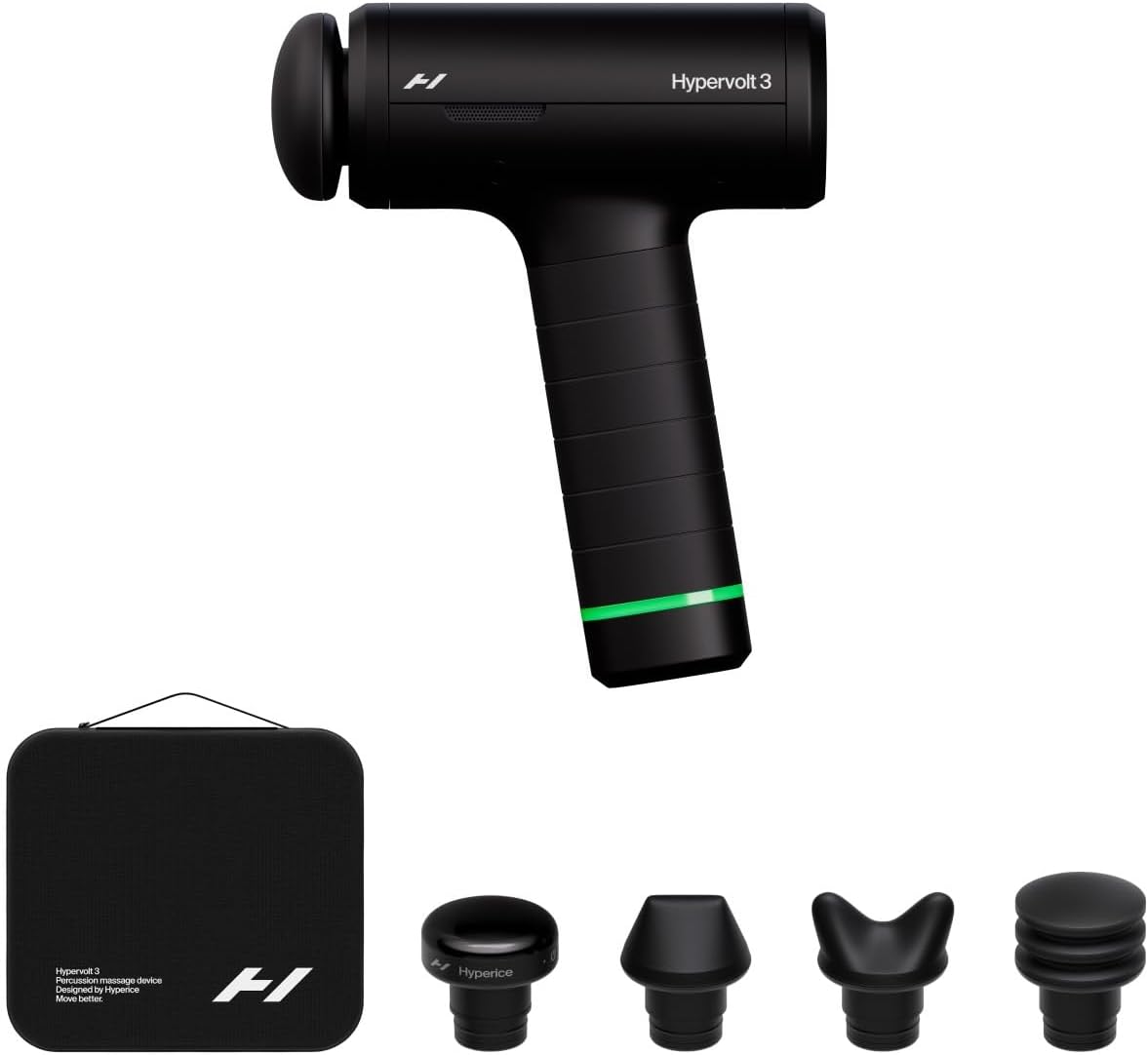
Yes. The most common mistakes are pressing too hard, running over tendon attachments at the elbow, using a bullet head on soft tissue, and lingering on the same spot for more than 90 seconds. Any of these can produce bruising, neural irritation, or worsening tendinopathy. Float, don't press.
Are foam rollers or massage guns better for luthier forearm recovery?
They solve different problems. A massage gun isolates a single muscle belly or knot with vibratory pressure — ideal for the small forearm compartments. A foam roller addresses larger muscle groups like the lats and upper back that pull on the forearms indirectly. Most working luthiers use both: gun for forearms, roller for everything that supports the forearms.
What massage gun head should I use for forearm muscles?
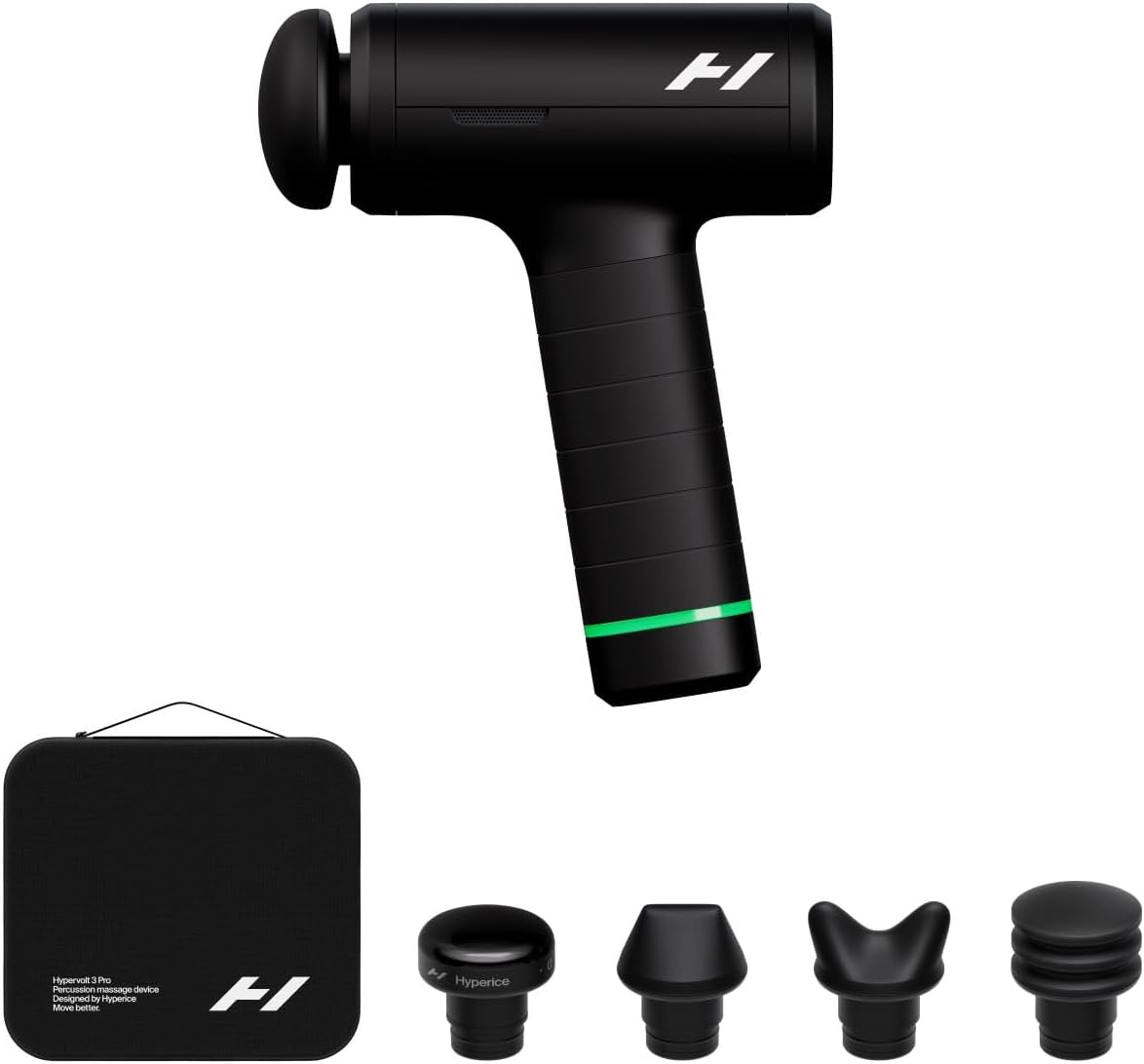
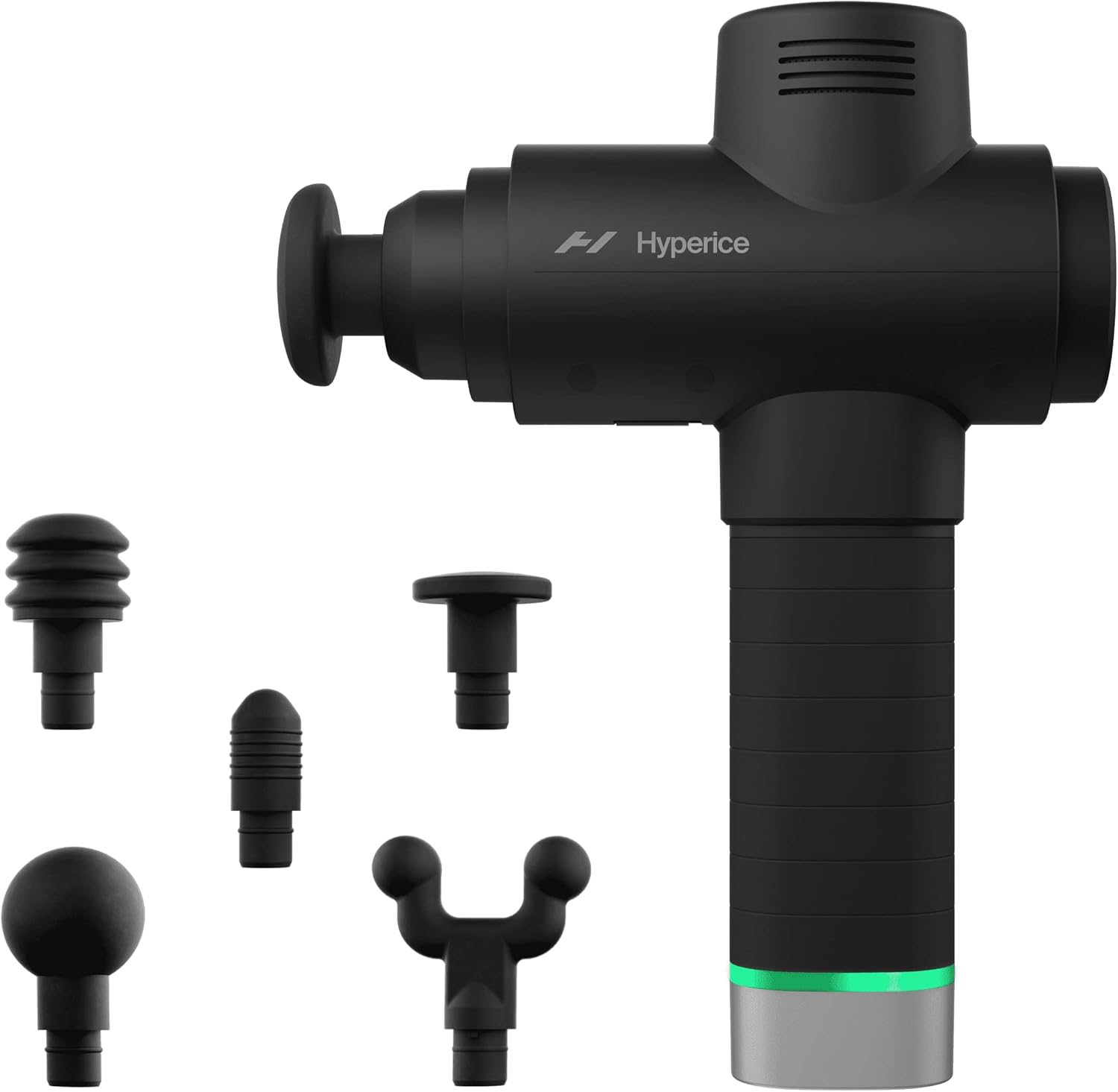
Stick with the flat head or the large ball head for the muscle bellies. A fork head can straddle the bony forearm shaft on the extensor side. Never use a bullet, cone, or thumb attachment on the forearm — those are designed for foot arches and small spinal muscles, and they will bruise the relatively thin tissue covering your radius and ulna.
Is it safe to use a massage gun on the elbow itself?
No. Skip the elbow joint entirely. The medial and lateral epicondyles are bony, the ulnar nerve runs through the funny-bone groove, and the brachial artery sits in the antecubital crease. Treat the muscle bellies that attach to the elbow, never the joint itself.
Can I use a massage gun on tennis elbow or golfer's elbow from lutherie?
Cautiously, and only on the muscle bellies — not the tendons at the elbow. Recent 2026 research suggests percussion massage may help by reducing tension in the muscle belly that pulls on the inflamed tendon, but the tendon itself needs eccentric loading and time. If you've been diagnosed with epicondylitis, work with a hand therapist and use the gun as adjunct care.
What's a good budget setup for forearm recovery in a small shop?
An entry-level percussion massager plus the Amazon Basics 18-inch foam roller covers about 90% of what a working luthier needs for under $80. Add the Krightlink set if you want a massage stick for hands-free forearm rolling. See our massage gun attachments guide for picking heads that match your work pattern.
Key Takeaways
- Choosing the right massage gun for luthier forearm pain means matching capacity and output ports to your actual devices
- Always check actual watt-hours (Wh), not just watts — runtime depends on Wh, not peak output
- Also covers: how to use massage gun on luthier forearms
- Also covers: guitar builder forearm overuse recovery
- Also covers: massage gun forearm technique for woodworkers
- Compare price-per-Wh across models to find the best value for your budget