If you have been searching for the right rad roller for quilters thumb pain, the short answer is this: the small, dense rubber peanut-shaped Rad Roller targets the tiny muscles around the thumb CMC joint, forearm flexors, and upper trapezius that quilters and sewists overload during long sessions at the sewing machine or longarm. Pair it with a full-length foam roller for the larger neck, shoulder, and mid-back muscles, and you have a complete at-home recovery kit. This 2026 guide walks through technique, contraindications, and the best companion rollers that actually relieve hand and neck strain from piecing, binding, and rotary cutting.
Why Quilting and Sewing Wreck Your Thumbs and Neck
Quilting looks gentle from the outside, but the biomechanics are brutal on small joints. Pinching fabric between thumb and index finger, gripping a rotary cutter for hours, threading needles, hand-binding, and forward-head posture over the machine all conspire to inflame the carpometacarpal (CMC) joint at the base of the thumb. Add the forward-rounded shoulders and locked-down upper trapezius from staring at stitches, and most sewists develop a predictable pain pattern: throbbing thumb base, achy forearms, knotted upper back, and a stiff neck by Sunday afternoon.
When shopping for rad roller for quilters thumb pain, it pays to compare specs, capacity, and real-world runtime before committing.
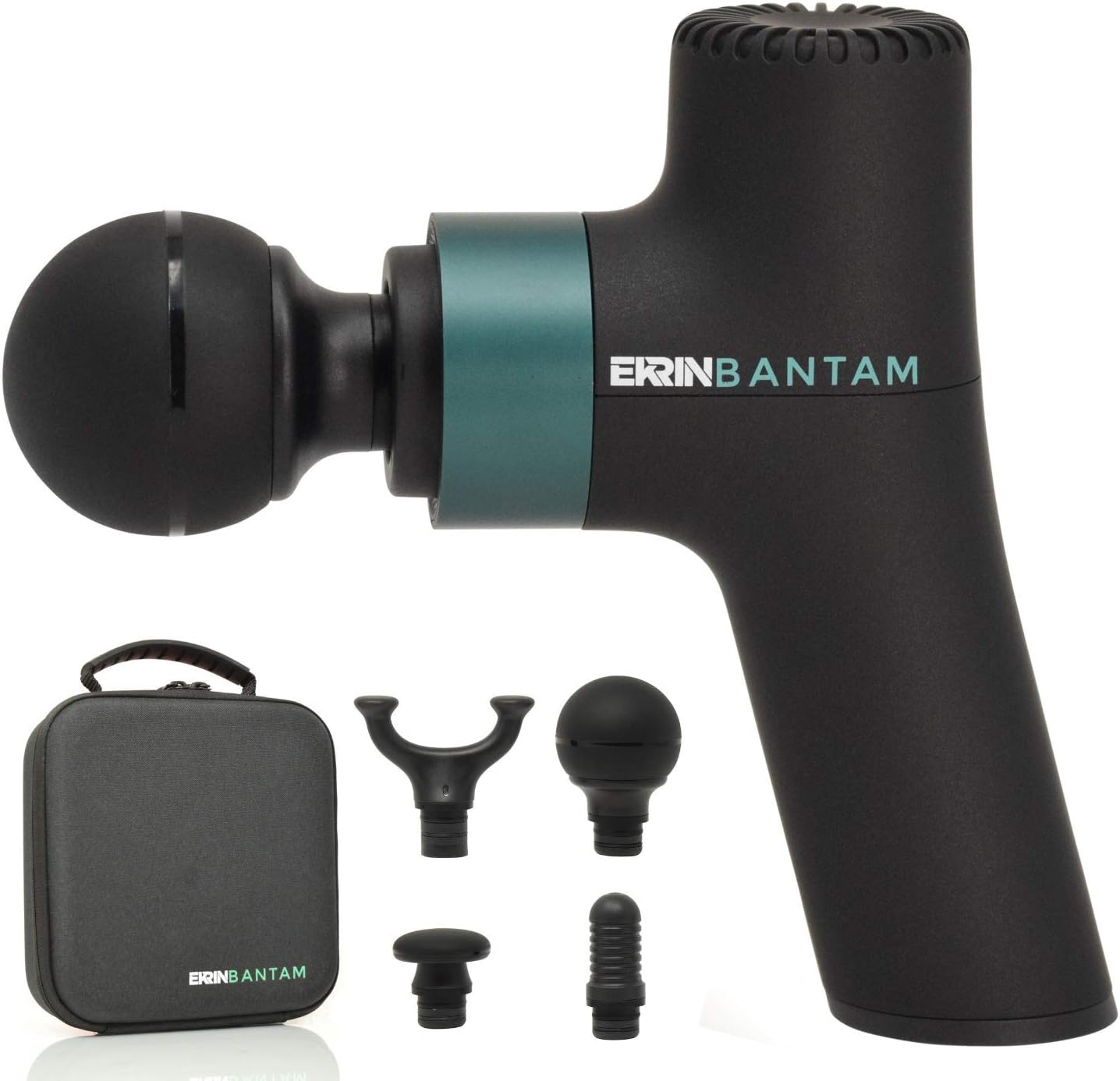
The Rad Roller, originally marketed for endurance athletes, has quietly become a favorite of the quilting community because its peanut shape fits perfectly along the thenar eminence (the meaty pad at the base of the thumb) and along either side of the cervical spine. Used correctly, two to three minutes of pressure work on the right spots can buy you another hour at the machine without flaring up. Used incorrectly, you can aggravate an already-irritated CMC. We will cover both below.
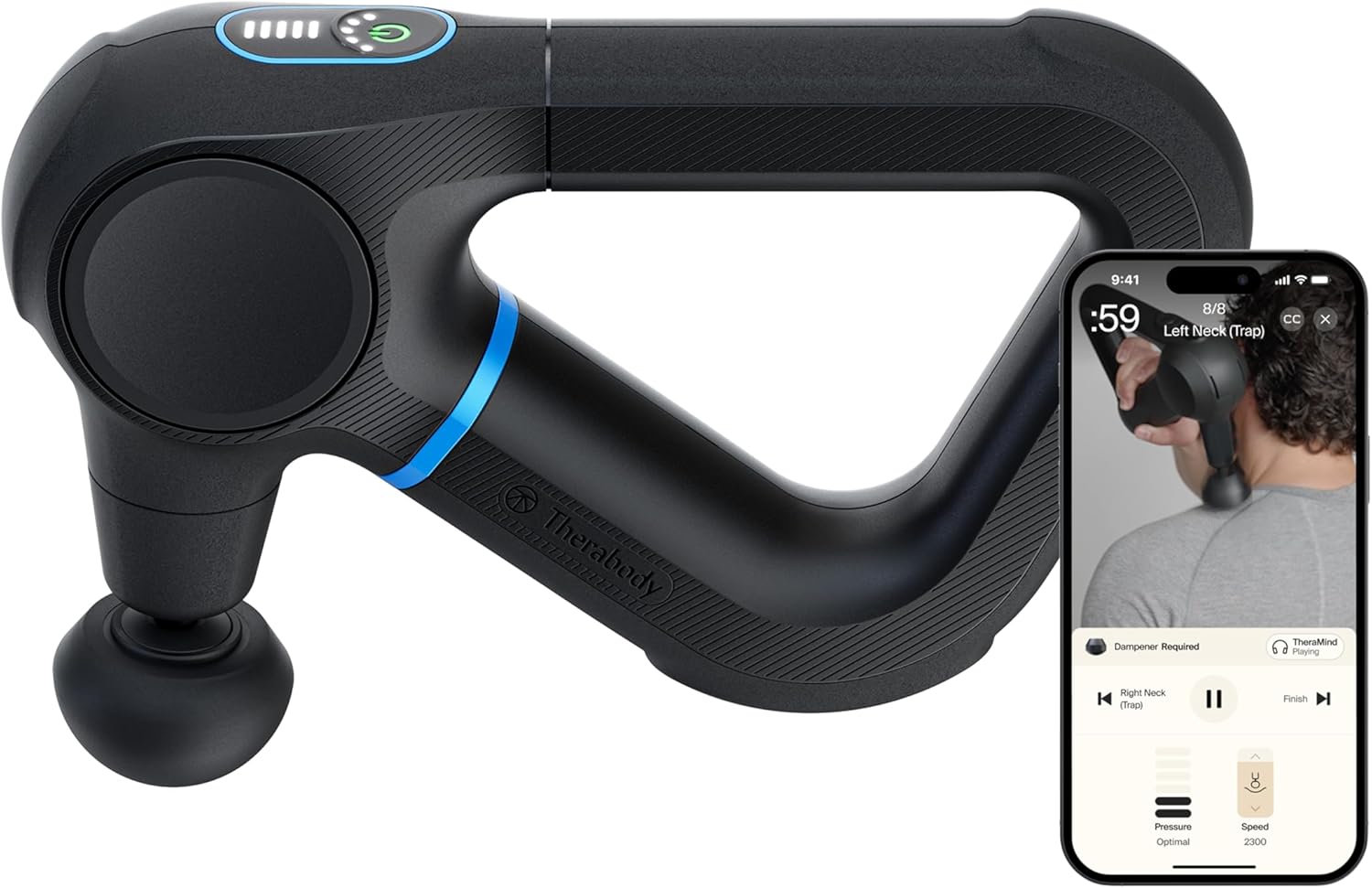
How a Rad Roller Helps Thumb CMC Pain Specifically
CMC osteoarthritis and CMC overuse strain do not respond well to deep, aggressive pressure directly on the joint. Instead, the goal is to release the muscles that pull on the joint: the adductor pollicis, opponens pollicis, first dorsal interosseous, and the forearm flexors that travel up to the medial elbow. The Rad Roller's two lobes let you sandwich the soft tissue without compressing the bony joint itself. You roll the peanut between your hand and a table, applying gentle pressure to the muscle belly rather than the painful joint capsule.
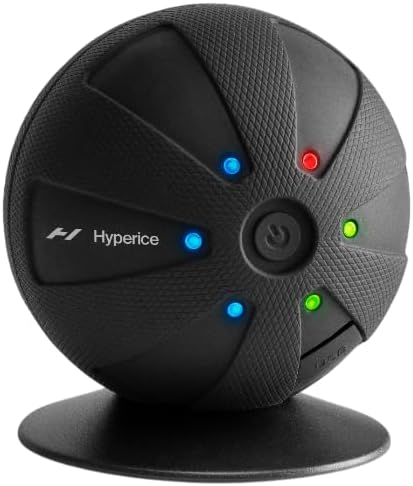
For the neck strain piece, the same peanut shape rides on either side of the spinous processes, releasing the suboccipitals and upper trapezius without crushing the vertebrae. This is the key reason quilters reach for it over a single lacrosse ball, which tends to slip off the cervical spine and into unsafe territory.
The Best Foam Rollers to Pair With a Rad Roller
A Rad Roller handles pinpoint trigger points, but you still need a long foam roller for the thoracic spine, lats, and pec minor that pull your shoulders forward over the machine. Below are the foam rollers we recommend pairing with a Rad Roller for a complete quilter's recovery setup in 2026.
Comparison Table: Best Companion Rollers for Quilters
| Product | Best For | Density | Length | FSA/HSA |
|---|---|---|---|---|
| TriggerPoint Grid 1.0 | Upper back, neck setup | Multi-density | 13 in | No |
| Amazon Basics High-Density 18" | Budget thoracic rolling | Firm | 18 in | No |
| FITINDEX Vibrating Roller | Stubborn forearm knots | Firm + vibration | 15 in | Yes |
| Krightlink 5-in-1 Set | Whole-body kit, includes ball | Mixed | 13 in + accessories | No |
| Amazon Basics Round Roller | Smaller bodies, travel | Firm | 12-36 in | No |
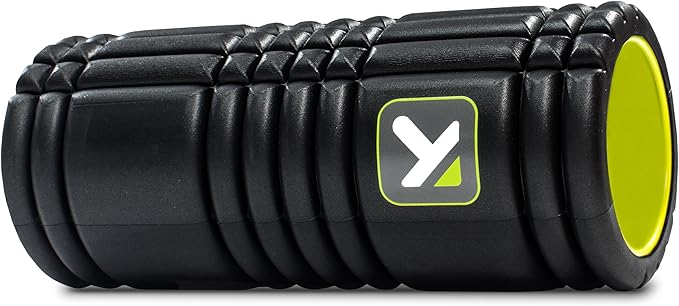
TriggerPoint Grid 1.0 Foam Roller — Best Overall for Quilters
The TriggerPoint Grid 1.0 has a hollow core with a multi-density EVA foam surface molded into ridges that mimic a therapist's fingertips. For quilters, this means the upper-back lattice (the most reliable culprit behind sewing-related neck strain) gets a kneading effect rather than a flat squish. At 13 inches it tucks behind your sewing chair without dominating the studio. Pair it with a Rad Roller for thumb and forearm work, and you cover both ends of the kinetic chain that runs from your fingertips to your skull base.
Check the TriggerPoint Grid 1.0 on Amazon
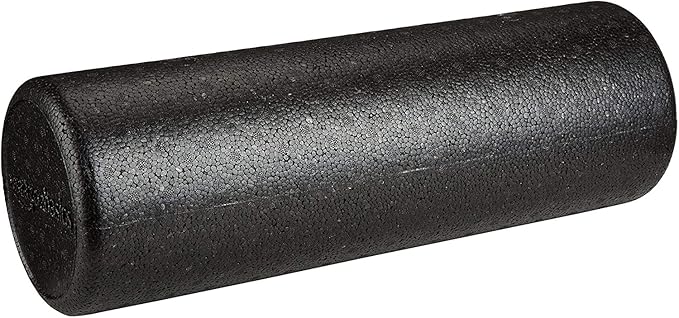
Amazon Basics High-Density Foam Roller, 18 inch — Best Budget Pick
If you have never used a foam roller before and just want to test whether rolling actually helps your sewing-related back pain, the Amazon Basics 18-inch high-density roller is the lowest-risk entry point. It is firmer than most beginner rollers, which sounds intimidating but actually works better for the thoracic extension drill we recommend below (lying on the roller perpendicular to your spine, arms out, breathing). The extra length over a 13-inch roller also means you can roll your lats without realigning the roller mid-stroke.
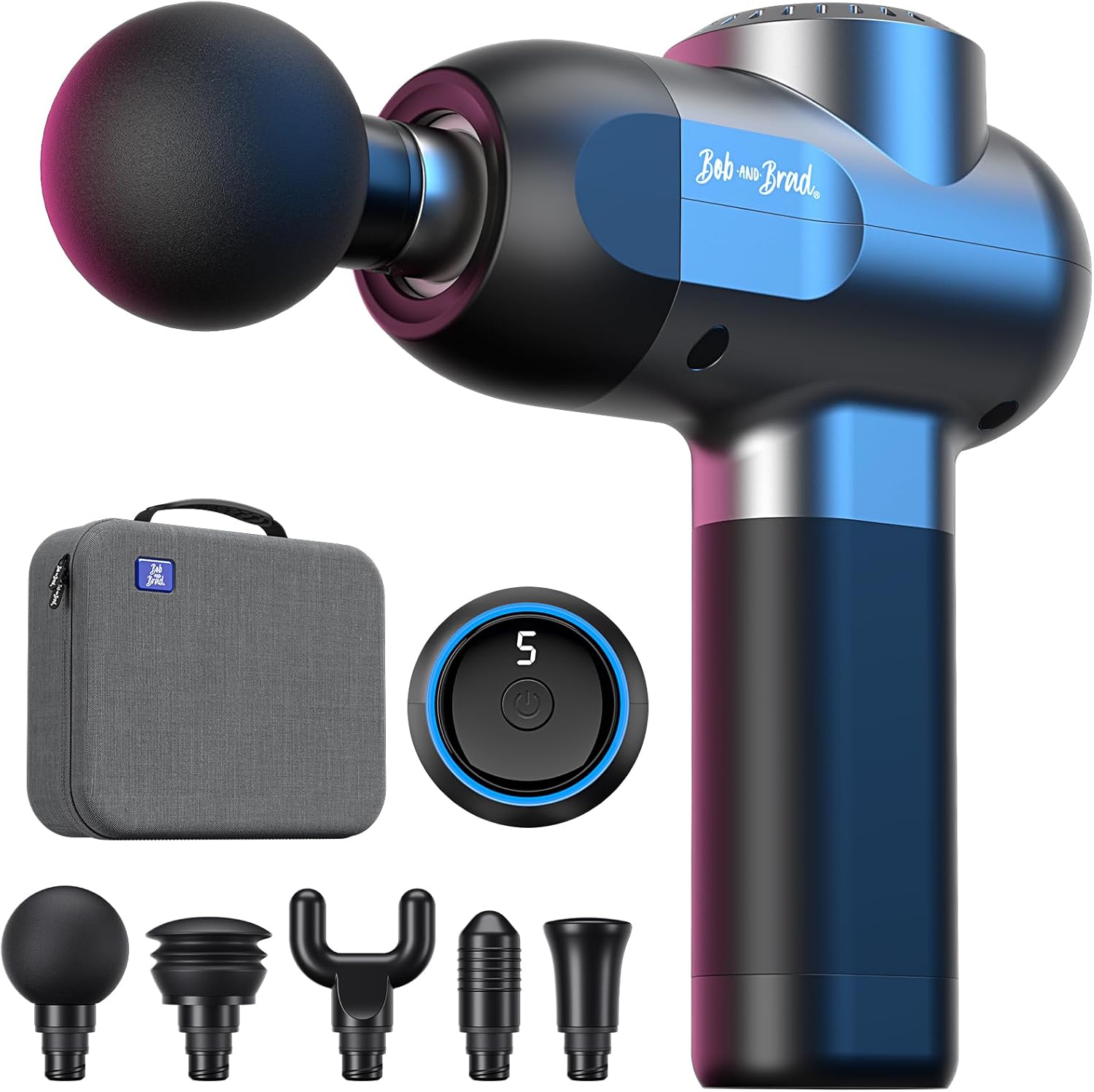
Check the Amazon Basics 18" Foam Roller on Amazon
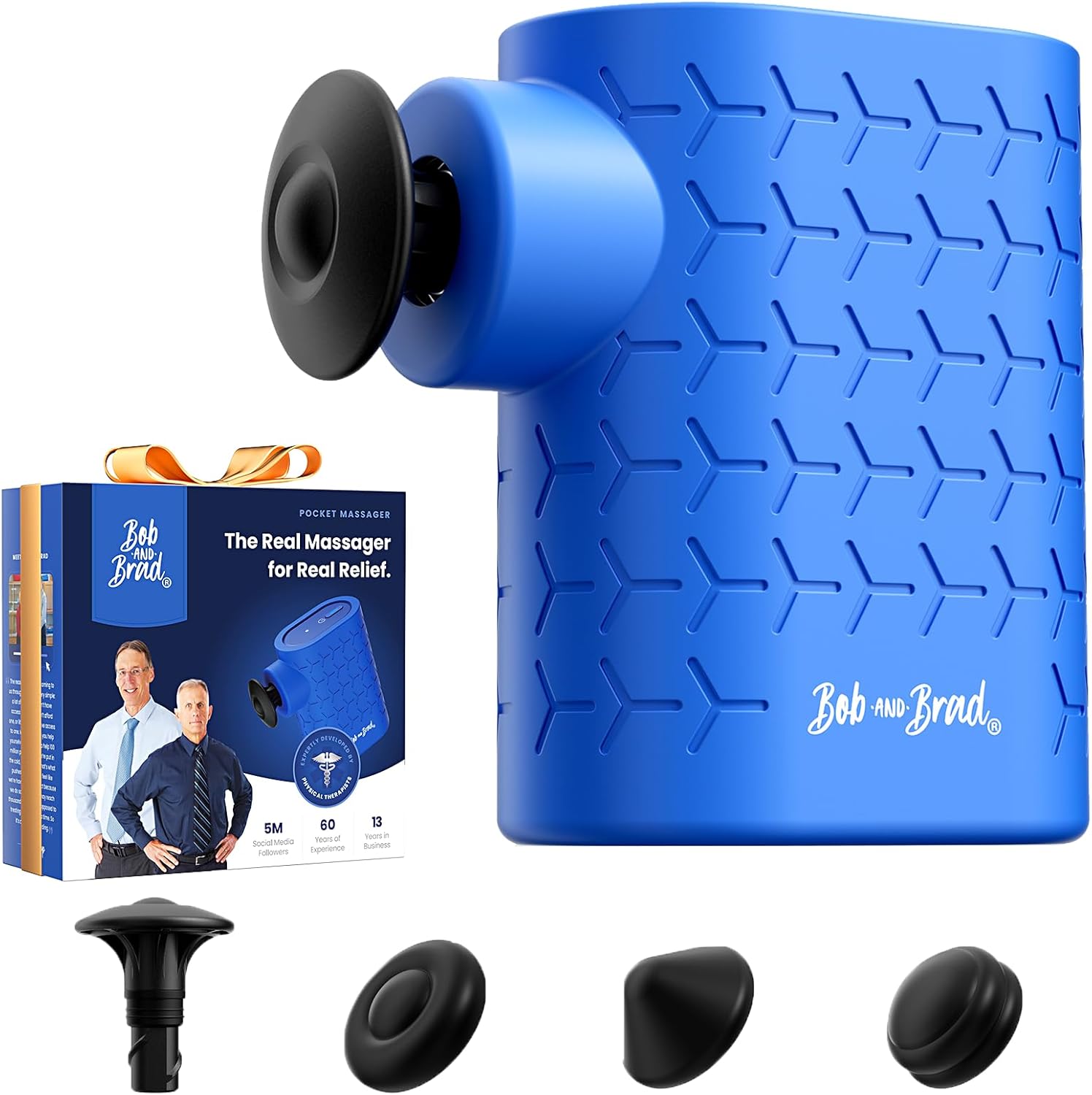
FITINDEX Vibrating Foam Roller — Best for Stubborn Forearm Knots
Vibration adds a neurological component to mechanical pressure: it down-regulates the muscle spindle's protective tension response, letting tight tissue release at lower pressures. For quilters with chronic forearm tightness from rotary cutting and pressing seams, this can be the difference between a roller that hurts and a roller that actually works. The FITINDEX runs five speeds, charges via USB-C, and is FSA/HSA eligible, which matters if you have a flex spending account left over before year-end 2026.
Check the FITINDEX Vibrating Roller on Amazon
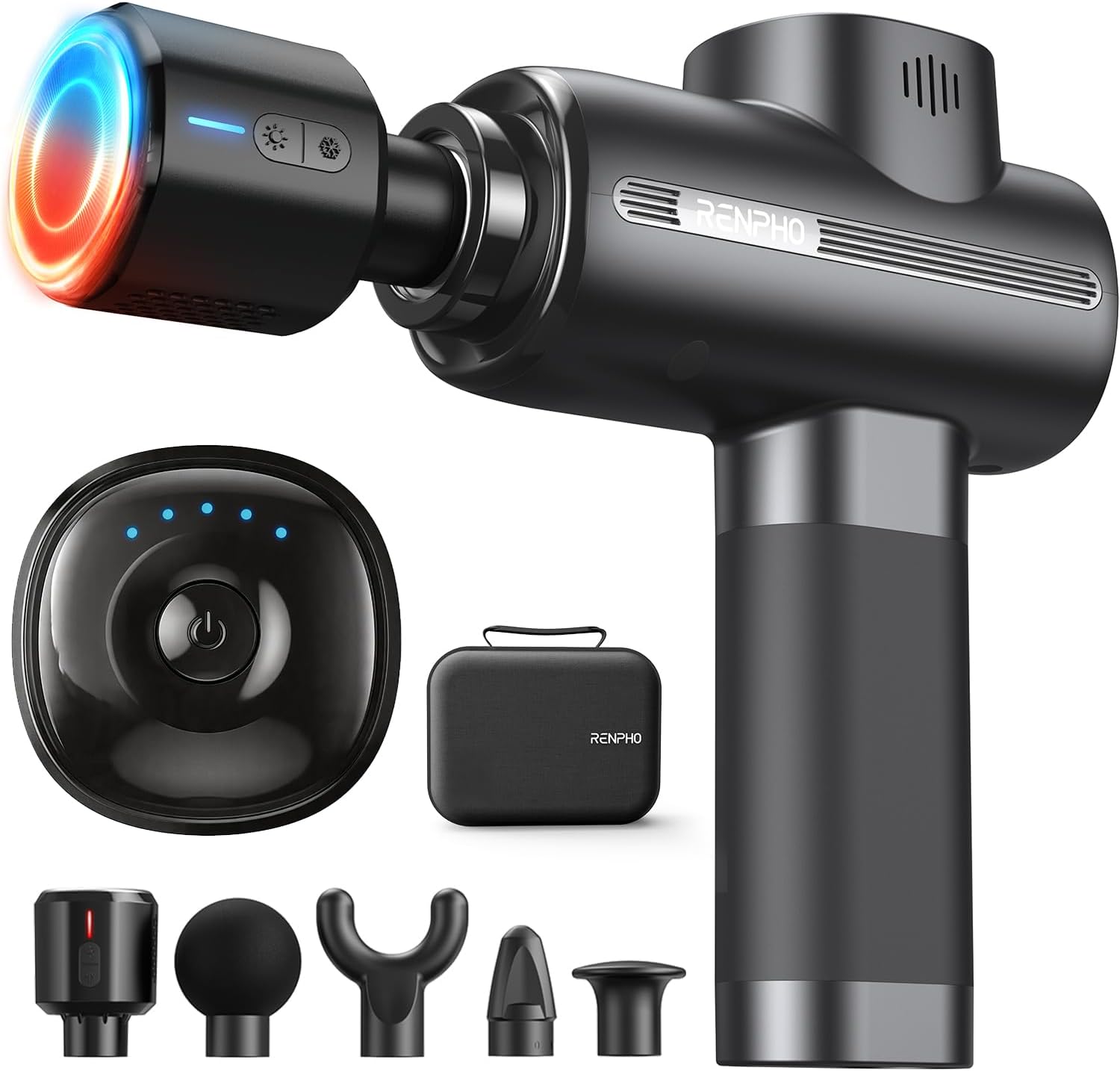
Krightlink 5-in-1 Foam Roller Set — Best Complete Kit
If you do not already own a Rad Roller and want one purchase that covers everything, the Krightlink 5-in-1 set bundles a hollow foam roller, a spiky massage ball, a peanut ball (the closest analog to a true Rad Roller), a stretching strap, and a resistance band. The peanut ball alone is not as dense as a genuine Rad Roller, but for occasional sewists addressing mild thumb pain it is a sensible starter kit. The strap also doubles as a guided stretch tool for the wrist extensors and pec minor, both of which tighten predictably during machine quilting.
Check the Krightlink 5-in-1 Set on Amazon
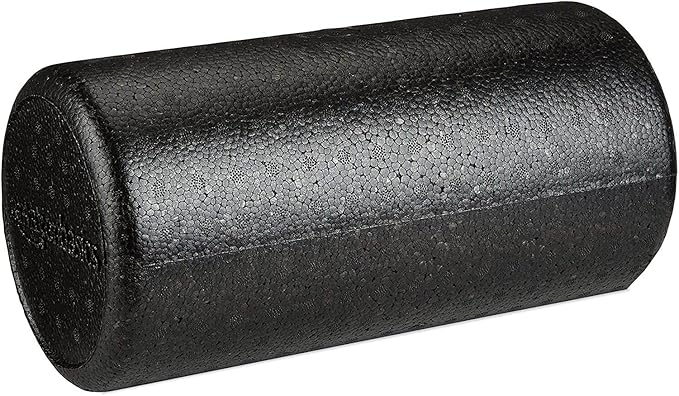
Amazon Basics High-Density Round Foam Roller — Best for Travel and Retreats
Quilt retreats, guild meetings, and shop hops mean a lot of sewists need recovery tools that travel. The Amazon Basics round high-density roller comes in lengths from 12 to 36 inches, so the 12-inch option slips into a suitcase next to your machine. It is the same density as a studio-grade roller, just shorter. Combine it with a Rad Roller for a complete travel kit that fits in a handbag pocket.
Check the Amazon Basics Round Roller on Amazon
How to Use a Rad Roller for Quilters Thumb Pain: A Five-Minute Routine
Set a kitchen timer. Place the Rad Roller on a hard table (not your sewing mat — too squishy).
- Thenar release (60 seconds per hand): Place your palm down with the peanut nestled between the base of your thumb and your wrist. Apply about three pounds of pressure — less than you think. Move slowly side to side, never directly over the bony CMC joint.
- Forearm flexor sweep (60 seconds per arm): Place the roller under your forearm, palm-side down, and slowly slide your arm forward and back. Stop on any sticky spot for ten seconds.
- Upper trap pin (60 seconds per side): Stand against a wall with the peanut between the wall and the meaty area between your neck and shoulder. Sink into it and slowly raise the same-side arm overhead five times.
- Suboccipital release (60 seconds): Lie on the floor with the peanut nestled at the very base of your skull, one lobe on each side of the spine. Just breathe — no movement needed.
That is it. Five minutes between piecing sessions saves most quilters from the cascading pain that ends a productive Saturday by 2 p.m. For a deeper dive into hand-specific work, see our thumb CMC arthritis exercises guide.
When NOT to Use a Rad Roller
If you have been diagnosed with advanced CMC osteoarthritis, an acute De Quervain's tenosynovitis flare, carpal tunnel syndrome with numbness, or any inflammatory arthritis (rheumatoid, psoriatic), skip the direct hand work and ask a hand therapist about adapted self-massage. The Rad Roller is for muscle release, not joint compression. If pressing the tool reproduces sharp, electric, or radiating pain — stop. That is a nerve, not a knot.
For comparison shoppers wondering whether a percussion device might suit them better, our foam roller vs massage gun for hand pain breakdown covers when each tool wins.
Setting Up Your Sewing Station to Reduce the Need for Recovery
No amount of rolling fixes a bad ergonomic setup. The most-overlooked culprit behind a quilter's thumb pain is a machine bed that is too high, forcing chronic ulnar deviation at the wrist. Aim for an elbow angle just above 90 degrees with shoulders relaxed. A keyboard tray or a lowered sewing cabinet often solves more pain than any recovery tool can. Pair that with a 25-minute timer for stand-up breaks, and the Rad Roller becomes a maintenance tool rather than a rescue tool. Our best massage gun for quilters roundup also lists devices that complement rolling without aggravating CMC joints.
Frequently Asked Questions
Can a Rad Roller really help arthritis in the base of the thumb?
It can help the surrounding muscle tension that worsens arthritic pain, but it does not reverse joint changes. By releasing the adductor pollicis and opponens muscles, you reduce the compressive force pulling across the CMC joint, which often lowers daily pain levels meaningfully. Always work the muscle belly, never the joint itself, and stop if you feel sharp pain.
How often should sewists use a Rad Roller for neck strain?
For active flare-ups, twice daily for five minutes is reasonable. For maintenance during a normal quilting week, a five-minute routine after each sewing session (or every two hours during a marathon binding day) is plenty. Over-rolling can leave the tissue bruised and reactive, which makes the next day worse, not better.
Is a tennis ball or lacrosse ball the same as a Rad Roller?
For some work, yes — a lacrosse ball is a passable substitute for upper-trap pinning. But the peanut shape of a Rad Roller is genuinely better for any structure that runs alongside a bone or spine, because the two lobes straddle the bone rather than crushing it. For thumb CMC and cervical work specifically, the peanut shape is worth the upgrade.
What's the best foam roller for a quilter who has never rolled before?
The TriggerPoint Grid 1.0 is the best first roller because its multi-density surface gives feedback without bruising. If budget is the priority, the Amazon Basics 18-inch high-density roller does the same job at a lower price, though the firmer surface is less forgiving on bony spots.
Can I use a vibrating roller on my forearms safely?
Yes, at low to medium speeds. Vibration does not aggravate tendinopathy the way deep static pressure can, which makes it a smart pick for quilters with cranky forearm flexors. Keep the roller moving, avoid the wrist crease (median and ulnar nerves run shallow there), and limit each forearm to 60 seconds per session.
Will rolling alone fix my sewing-related neck pain in 2026?
Probably not. Rolling reduces symptoms; ergonomic fixes reduce the cause. Most quilters who eliminate chronic neck strain combine a five-minute rolling routine with a raised monitor, a properly heighted sewing surface, and a 25-minute stand-up timer. Skip any one of those and pain tends to creep back within a few weeks.
Are any of these foam rollers FSA or HSA eligible?
The FITINDEX vibrating foam roller is explicitly marketed as FSA/HSA eligible, which is worth knowing if you have unspent flex dollars before the end of 2026. Most plain foam rollers are not, but FSA stores increasingly cover them with a letter of medical necessity from a physical therapist or hand therapist.
Key Takeaways
- Choosing the right rad roller for quilters thumb pain means matching capacity and output ports to your actual devices
- Always check actual watt-hours (Wh), not just watts — runtime depends on Wh, not peak output
- Also covers: massage ball for sewists hand pain
- Also covers: rad roller for sewing neck strain
- Also covers: best ball for quilters CMC joint
- Compare price-per-Wh across models to find the best value for your budget