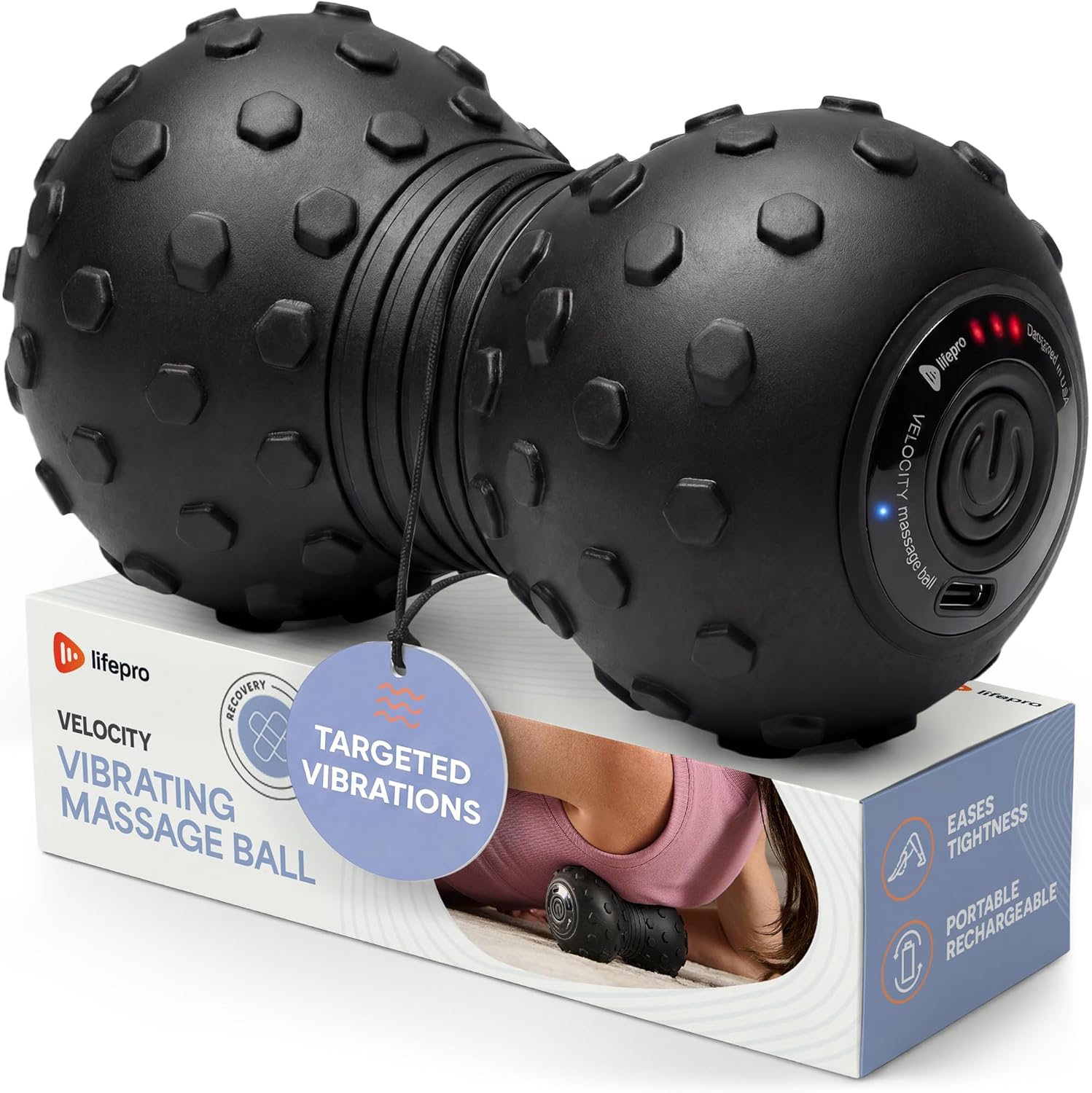
The rad roller for violists with tmj and suboccipital pain is a small, dual-ball trigger point tool used at the base of the skull, along the upper trapezius, and around the masseter and temporalis attachments to release the chronic clench that develops from hours of holding a viola between jaw and collarbone. For 2026, the protocol that actually moves the needle on viola-related TMJ pain pairs the RAD Roller (the small peanut-shaped ball tool) with a structured foam-rolling sequence for the thoracic spine and lats, because the suboccipitals will never fully relax until the rib cage and shoulder girdle below them stop pulling on them. This guide walks through the exact sequence, the supporting tools worth buying, and what to skip.
Why violists get this specific pain pattern
A viola is heavier and wider than a violin, and the left-side chin-and-jaw clamp required to support it sends a predictable cascade of tension up into the head. The deep neck flexors fatigue, the suboccipitals (rectus capitis posterior major and minor, obliquus capitis superior and inferior) take over to stabilize the skull, and the masseter and lateral pterygoid lock down to brace the jaw against the chin rest. Within a few weeks of heavy rehearsal — orchestra cycles, chamber intensives, summer festivals — most violists develop a recognizable trio: a dull ache at the base of the skull, popping or clicking in the TMJ when chewing, and a stripe of tenderness along the left levator scapulae.

This is precisely the pattern the RAD Roller was designed to address. The two soft-density spheres straddle the spinous processes and pin the small suboccipital muscles against the occipital ridge without compressing the cervical vertebrae. No foam roller — no matter how dense — can replicate that geometry, which is why this guide treats the RAD Roller as the primary tool and the foam rollers below as the supporting cast.
How the rad roller for violists with tmj and suboccipital pain actually works
You lie supine, place the RAD Roller at the occipital ridge so the two balls sit just lateral to the midline (never on the spine), and let the weight of your skull pin the suboccipitals for 90 to 120 seconds per side. Tiny yes/no nods amplify the release. For the jaw, you hold one ball against the masseter just in front of the ear and slowly open and close the mouth, which mobilizes the TMJ disc against active soft-tissue tension — a technique borrowed from orofacial physical therapy. None of this requires force; in fact, more pressure makes the suboccipitals guard harder.
But the suboccipitals are the top of a chain. If the thoracic spine is locked into the flexed, rotated posture violists live in, the cervical extensors will re-tighten within hours. That is where a foam roller earns its place in the kit — for daily thoracic extension and lat decompression that buys the suboccipital release time to hold.
Supporting tools worth buying in 2026
None of the products below replace the RAD Roller for jaw and skull-base work. They are the second half of the protocol — the part that addresses the rib cage, lats, and pec minor so the neck doesn't keep paying for posture sins committed lower in the chain.
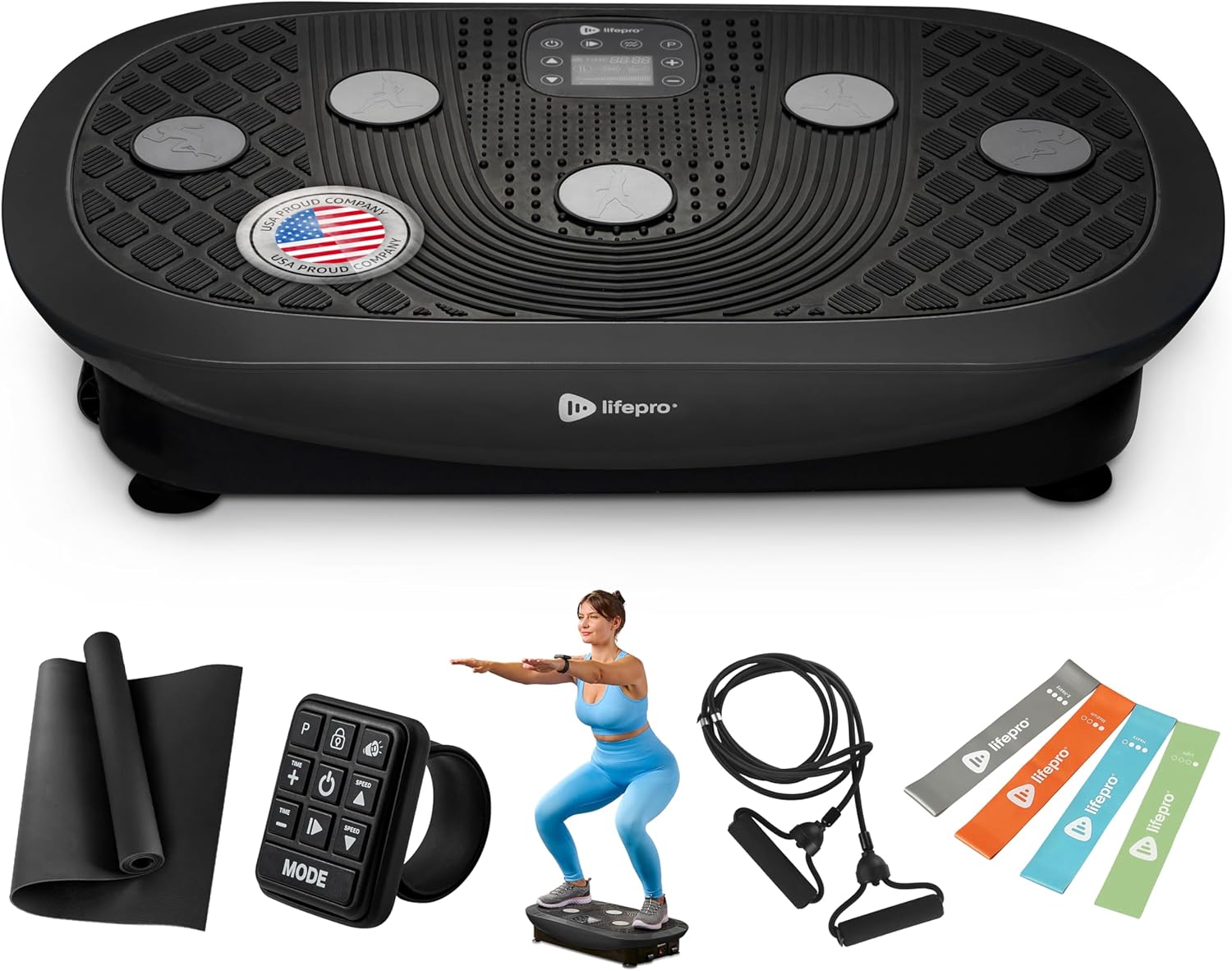
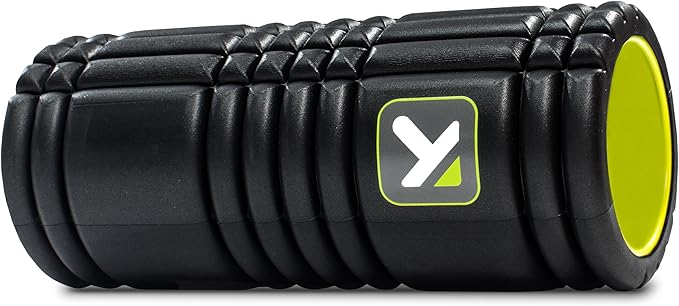
TriggerPoint GRID 1.0 — the thoracic extension workhorse
The 13-inch GRID is the standard for thoracic extension work because its multi-density EVA surface mimics knuckles and palm pressure without bottoming out on the spinous processes. Lay it perpendicular to the spine at the bra line, support the head with both hands, and arch backward over it for 30-second holds at three positions up the thoracic spine. This is the single most effective adjunct to RAD Roller suboccipital work for chronic viola-related neck pain because it restores the extension the instrument robs you of. Check the TriggerPoint GRID 1.0 on Amazon.
FITINDEX Vibrating Foam Roller — for muscle guarding that won't quit
If your masseter and upper trapezius are so guarded that even the RAD Roller produces a flinch response, a vibrating roller used on the upper back for two to three minutes before trigger point work shuts down the protective tone enough for the deeper release to land. The five-speed FITINDEX is FSA/HSA eligible, which matters for working musicians treating this as ongoing performance-related care, and the rechargeable battery holds up to multiple sessions on a charge. Use it on the thoracic spine and lats — never directly on the cervical spine. Check the FITINDEX Vibrating Roller on Amazon.
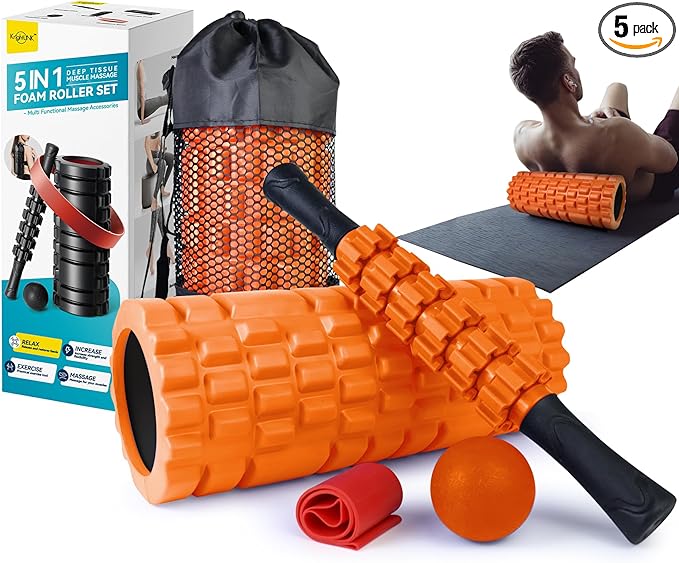
Krightlink 5-in-1 Set — the budget all-in-one
If you need a single purchase that covers the supporting work without buying three separate items, the Krightlink set bundles a hollow foam roller, a stick roller, two spiky massage balls, and a peanut-shaped double ball. The peanut is not a substitute for an actual RAD Roller — the density is firmer and the geometry less refined — but it is a reasonable budget proxy for travel kits or a backup at the practice room. The stick roller is genuinely useful for left-forearm work, which violists also chronically need. Check the Krightlink 5-in-1 Set on Amazon.
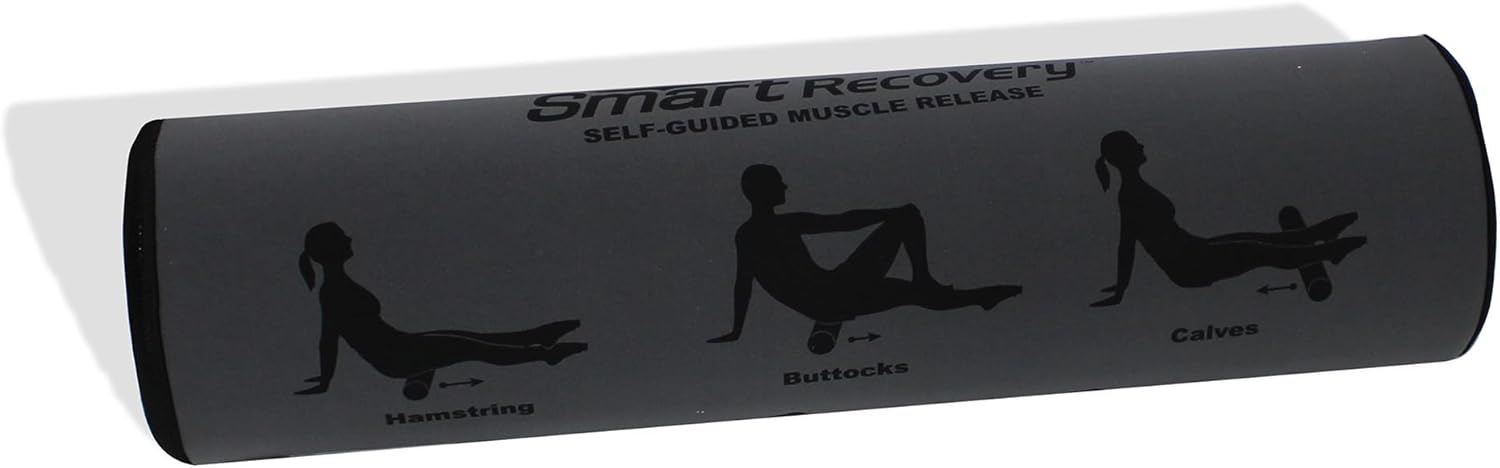
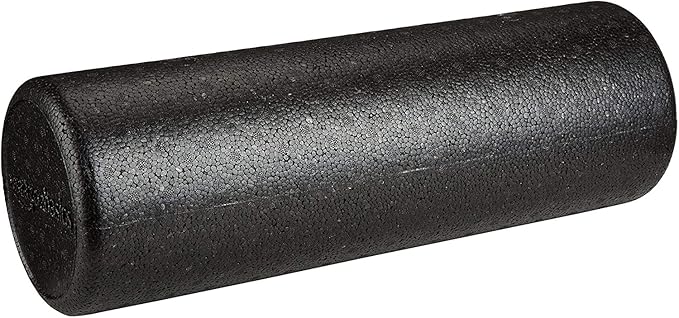
Amazon Basics 18-inch High-Density Roller — the daily floor tool
For lat decompression — lying on your side with the roller under the armpit and slowly rolling toward the hip — you want a long, firm, inexpensive roller that will take abuse. The 18-inch Amazon Basics roller is exactly that. Nothing fancy, nothing marketed at musicians, just a reliable piece of foam that costs less than a pack of strings. Check the Amazon Basics 18-inch Roller on Amazon.
Comparison: which supporting roller for which problem
| Tool | Best for violist use | Density | Travel-friendly | FSA/HSA |
|---|---|---|---|---|
| TriggerPoint GRID 1.0 | Thoracic extension, lats | Multi-density | Yes (13 in, hollow core) | No |
| FITINDEX Vibrating | Pre-release calming of upper traps | Firm, vibrating | Moderate | Yes |
| Krightlink 5-in-1 Set | All-in-one starter kit | Mixed | Yes | No |
| Amazon Basics 18 in | Daily lat and glute work | High-density | No (full size) | No |
The 10-minute daily protocol for violists
This is the sequence that consistently produces results in working orchestral violists. Run it after practice, not before — the goal is to undo accumulated tension, not to anesthetize muscles you are about to use.
- Minute 0-2: Vibrating roller on the upper back at low speed. No direct cervical contact.
- Minute 2-4: GRID 1.0 thoracic extension at three positions — lower, mid, upper thoracic. Five slow extensions at each.
- Minute 4-6: Side-lying lat rolling on the long foam roller, 60 seconds per side, focusing on the left lat where the viola weight pulls.
- Minute 6-8: RAD Roller at the occipital ridge, 90 seconds, tiny nods. Then 30 seconds per masseter with the single ball against the wall.
- Minute 8-10: Chin tucks against the wall — 10 reps, 5-second hold — to re-engage the deep neck flexors so the suboccipitals don't snap back into spasm.
Done five days a week, most violists report a meaningful drop in baseline jaw tension within two weeks and a reduction in tension headaches within four. If you want a deeper walkthrough of the upper-back portion, see our thoracic foam rolling guide for string players, and for jaw-specific work check our piece on TMJ self-release techniques.
What the rad roller for violists with tmj and suboccipital pain will not fix
Self-myofascial work manages symptoms; it does not redesign your setup. If you are using a chin rest and shoulder rest combination that forces excessive jaw clamping, no amount of rolling will keep up. Get a fitting with a luthier or a body-mapping specialist — many violists discover that switching from a center-mount to a side-mount chin rest, or to a Wittner-style cushion-back shoulder rest, eliminates the underlying driver. Compare options in our massage ball roundup for musicians if you want to see how trigger-point tools compare across instruments. For persistent clicking, locking, or referred ear pain, see a dentist or orofacial pain specialist — TMJ disc displacement is a structural problem and trigger point work alone is not the answer.
Frequently Asked Questions
Can a foam roller replace a RAD Roller for suboccipital release in violists?
No. A full-size foam roller is too large to isolate the suboccipital muscles without compressing the cervical spine, and a standard roller does not have the dual-ball geometry that straddles the spinous processes at the occipital ridge. A foam roller is excellent for the thoracic and lat work that supports suboccipital release, but the RAD Roller (or an equivalent peanut-shaped double ball) is the right tool for the skull-base contact itself.
How long should a violist hold the RAD Roller against the suboccipitals?
90 to 120 seconds per position is the sweet spot. Shorter than that, the protective muscle tone has not had time to release; longer than three minutes and you risk irritating the greater occipital nerve, which runs through the area and can produce a sharp referred headache if compressed too long.

Will rolling my masseter make my TMJ worse?
Not if done gently. Use the single ball or the RAD Roller against a wall, not against the floor, so you control the pressure with body position rather than gravity. Slow jaw opening and closing during the hold is more effective than aggressive pressure. If you have active disc displacement with clicking and catching, skip direct masseter work and see an orofacial pain specialist first.
How often should a viola player do this protocol during a heavy rehearsal week?
Once daily after the last practice or rehearsal of the day. During festival weeks or orchestra cycles with multiple services per day, a brief 3-minute version — vibrating roller on upper traps, RAD Roller at the occipital ridge, chin tucks — can be inserted between services without leaving you feeling depleted for the next downbeat.
Is a vibrating foam roller worth it for chronic viola-related neck tension?
For most violists, yes — but as an adjunct, not the main tool. Vibration downregulates protective muscle tone in the upper trapezius and rhomboids, which makes the subsequent trigger-point work on the suboccipitals far more productive. The FSA/HSA eligibility on models like the FITINDEX also makes it one of the few recovery tools that can be reimbursed through a healthcare account.
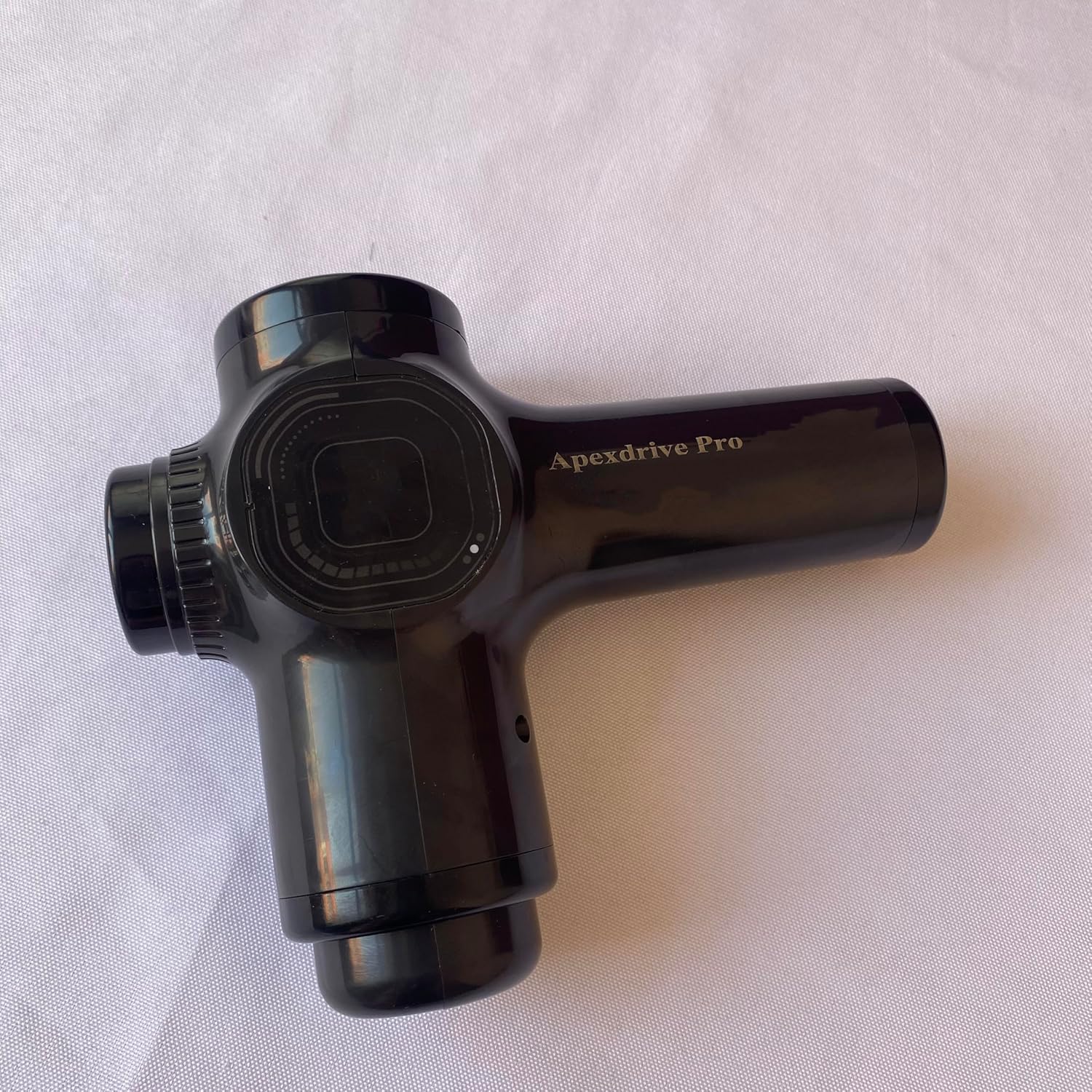
What about percussion massage guns for the jaw and suboccipitals?
Avoid percussion devices on the cervical spine, the front of the neck, and directly on the TMJ joint. The percussive impact is too aggressive for the small stabilizing muscles in this region and the proximity to the carotid sheath makes it genuinely unsafe. A massage gun can be useful on the upper trapezius and thoracic paraspinals at the lowest amplitude setting, but the RAD Roller remains the right tool for suboccipital and jaw work.
Can these tools help with the left-hand and forearm tension violists get alongside TMJ pain?
Yes — and the Krightlink set's stick roller and the small massage balls are particularly useful for the left forearm flexors and the first dorsal interosseous (the muscle between the thumb and index finger that overworks during shifting). Treat the forearm as part of the same kinetic chain; chronic jaw clenching often correlates with chronic left-hand gripping, and addressing one without the other leaves results on the table.

Key Takeaways
- Choosing the right rad roller for violists with tmj and suboccipital pain means matching capacity and output ports to your actual devices
- Always check actual watt-hours (Wh), not just watts — runtime depends on Wh, not peak output
- Also covers: best massage ball for tmj musicians
- Also covers: rad roller for jaw tension string players
- Also covers: suboccipital release for violists
- Compare price-per-Wh across models to find the best value for your budget