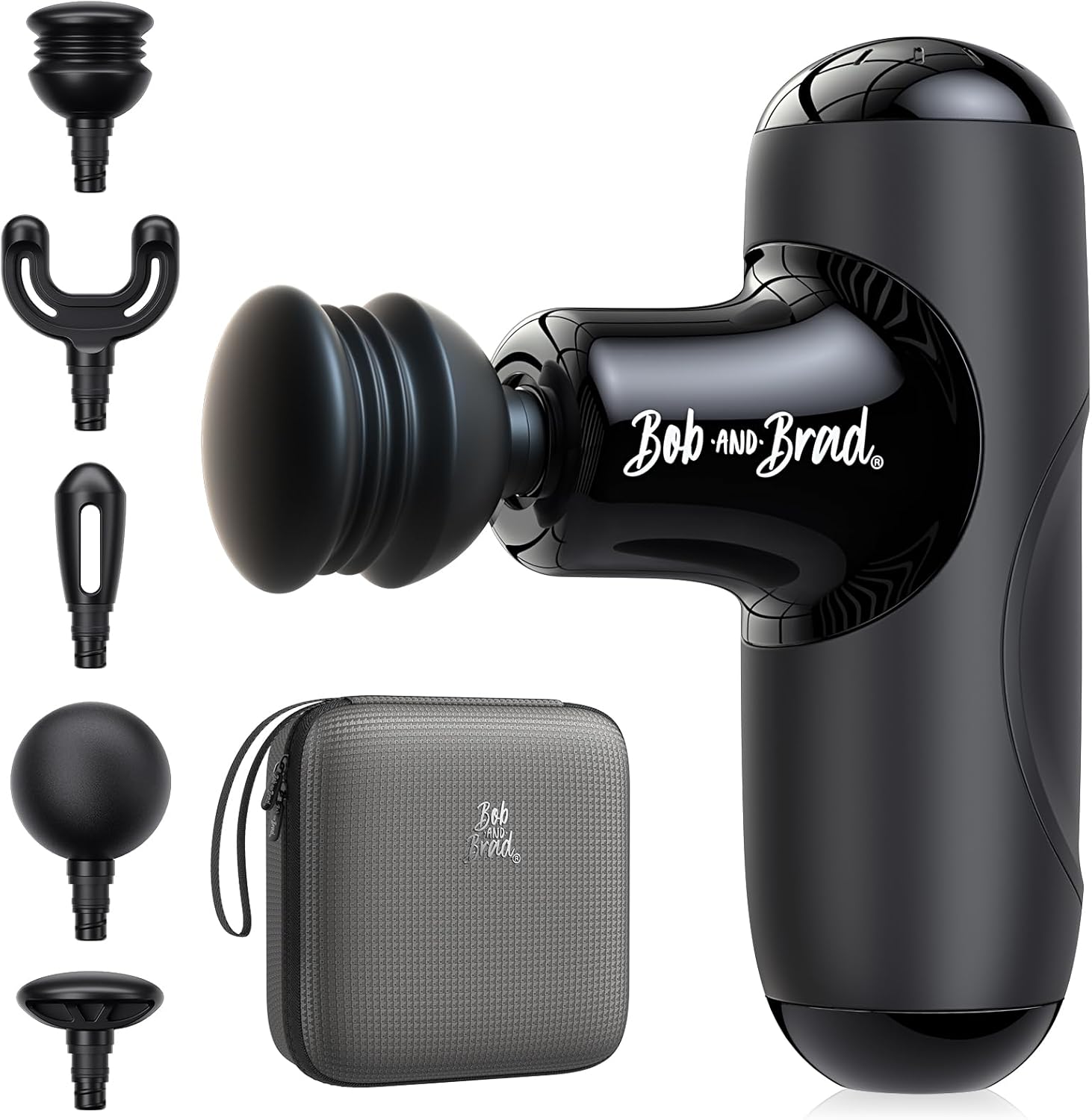
If you're a marathon runner battling iliotibial band pain and trying to choose between two premium percussion devices, this theragun elite vs hypervolt 2 for IT band syndrome breakdown gives you the answer fast: the Theragun Elite wins for deeper trigger-point work on the tensor fasciae latae (TFL) and glute medius, while the Hypervolt 2 wins for daily quad and lateral-thigh glide work thanks to its quieter motor and lighter chassis. Both devices help, but neither replaces a quality foam roller, which remains the gold-standard tool for lengthening the fascia surrounding the IT band after long runs in 2026.
Quick Verdict for Marathon Runners
Pick the Theragun Elite if your IT band syndrome is rooted in tight hip rotators, weak glute medius, or stubborn TFL trigger points. Its 16 mm amplitude punches deep enough to actually reach the fascial layer beneath the IT band itself — something most percussion devices cannot do. Pick the Hypervolt 2 if your pain is mild, recurring, and tied to general lateral quad and hamstring tightness. Its lighter 1.8 lb body, 14 mm amplitude, and whisper-quiet motor make it the tool you will actually use every day, and consistency matters more than peak power for IT band rehab.
Regardless of which gun you choose, pair it with a structured foam-rolling routine. Percussion therapy and foam rolling target different mechanical layers, and IT band syndrome responds best to both. Skip the rollers and you'll be back on this page in three weeks.
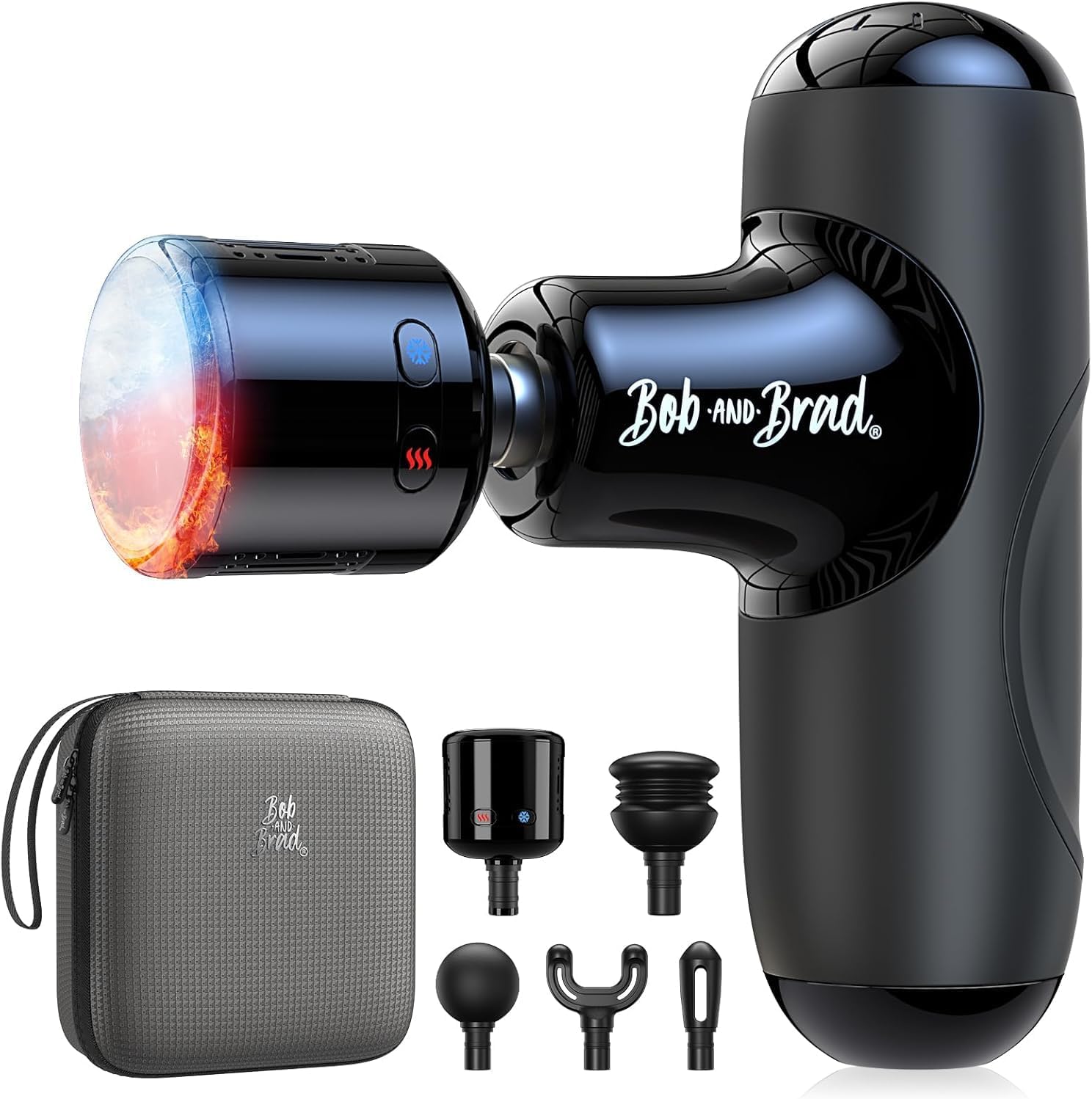
Theragun Elite for IT Band Syndrome: What Marathon Runners Need to Know
The Theragun Elite delivers 40 lbs of stall force at 2400 percussions per minute with a 16 mm amplitude — the longest stroke of any consumer percussion device in 2026 outside the Theragun Pro. For runners, that 16 mm number is the only spec that matters. The IT band itself is dense connective tissue that does not stretch under vibration alone; what loosens is the fascia and muscle tissue underneath and adjacent to it. Reaching that tissue requires depth, and depth requires amplitude.
The Elite's triangular grip is engineered for self-treatment of hard-to-reach areas like the TFL and gluteus medius — the two muscles most clinicians point to as the upstream cause of IT band syndrome. Five built-in speeds let you start gentle and ramp into deeper work. The downside: at 2.2 lbs and roughly 65 dB at full speed, it is noticeably heavier and louder than the Hypervolt 2. After a 20-mile training run, holding 2.2 lbs against your hip for 8 minutes is not nothing.
Battery life is rated at 120 minutes per charge, which covers about two weeks of daily 8-minute sessions. The Bluetooth app integration provides guided routines, including one specifically labeled "IT Band & Runner's Knee" — a small but legitimately useful feature for runners who don't want to think about technique after a hard workout.
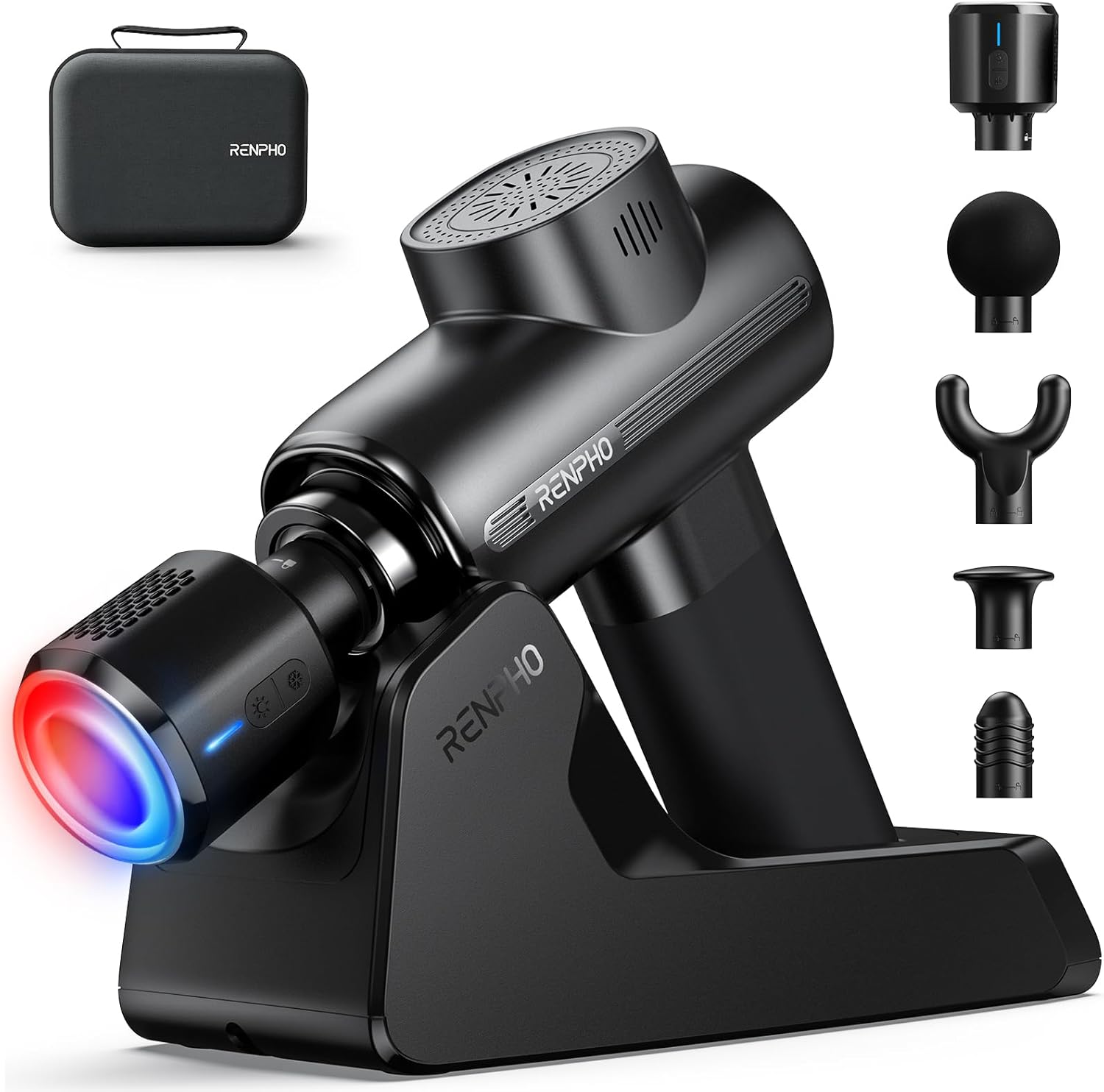
Hypervolt 2 for IT Band Syndrome: What Marathon Runners Need to Know
The Hypervolt 2 is Hyperice's mid-tier device, weighing 1.8 lbs with a 14 mm amplitude and three speed settings ranging from 1700 to 2700 percussions per minute. Its standout feature is the Quiet Glide motor: at full speed it measures around 55 dB, quiet enough to use during a phone call. For runners who live with roommates, partners, or thin apartment walls, this is the difference between using the device and letting it gather dust on a shelf.
For IT band syndrome specifically, the Hypervolt 2 handles surface-level work beautifully. Lateral quad sweeps, hamstring flushing, calf glides — all areas where adjacent muscle tightness pulls on the IT band — feel excellent under its softer percussion. Where it falls short is the deep TFL and posterior glute work. A 14 mm amplitude is the industry standard, but it noticeably falls short of the Elite's 16 mm when you try to dig into chronic adhesions.
Battery life is rated at 180 minutes, the longest in its class. The Hyperice app connects via Bluetooth and adjusts speed automatically based on the routine, which is genuinely helpful when you're trying to avoid fumbling with buttons mid-session.
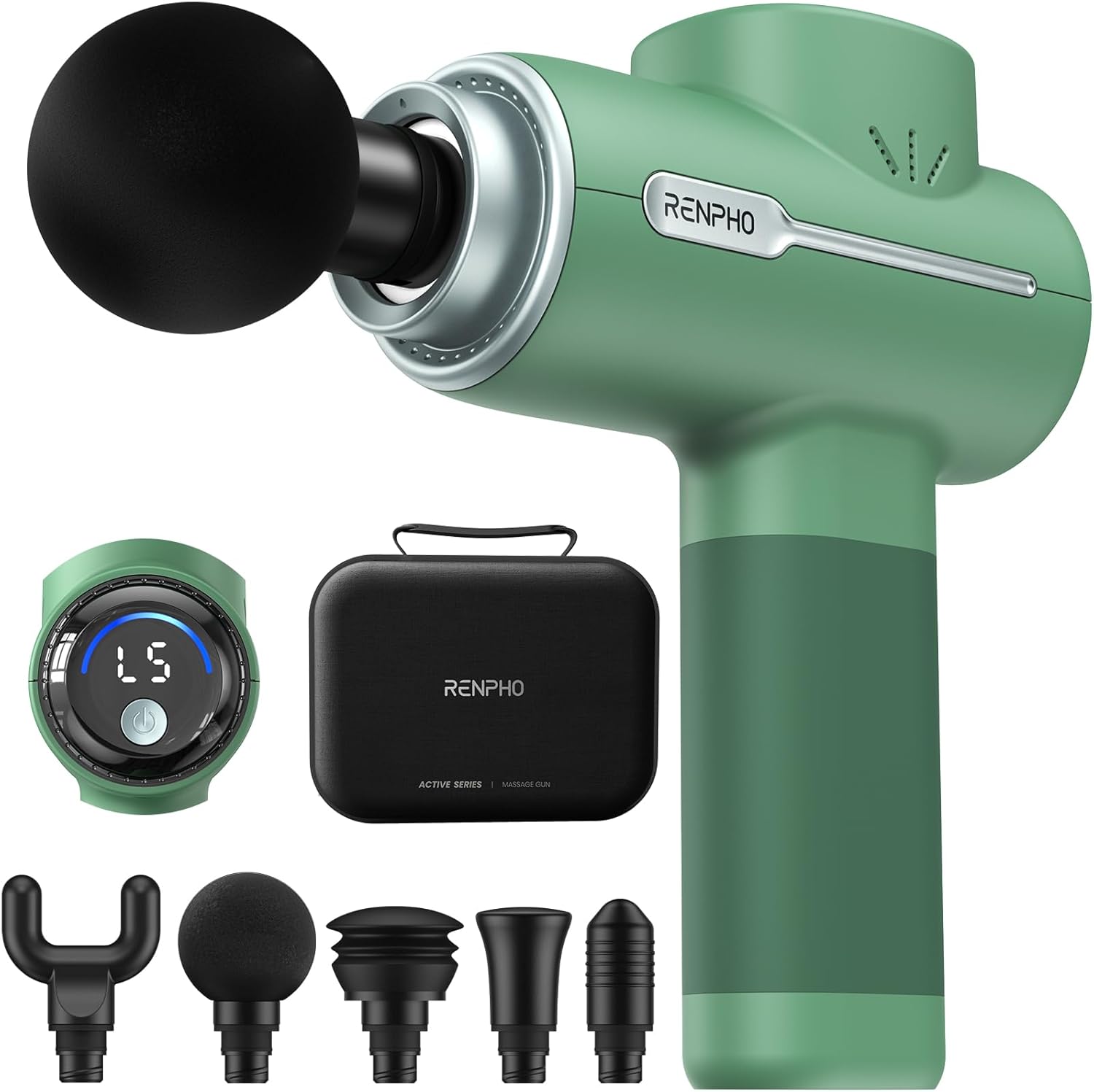
Head-to-Head: Theragun Elite vs Hypervolt 2 for IT Band Syndrome
When you place these two devices side by side for a marathon runner specifically dealing with IT band syndrome, the decision usually comes down to severity. Acute flare-ups during peak training weeks demand the Theragun Elite's depth. Chronic, low-grade tightness that you want to manage proactively responds beautifully to the daily-friendly Hypervolt 2.
One thing both devices share: neither will resolve IT band syndrome on its own. The condition is almost always biomechanical — weak hip abductors, overstriding, worn shoes, or a sudden mileage jump. Percussion therapy addresses symptoms, not the cause. Pair either device with hip-strengthening work, gait analysis, and disciplined foam rolling, and the gun becomes one effective tool among several. Skip the strengthening and you're just chasing pain.
Why Foam Rollers Still Outperform Both Guns for IT Band Work
Here's the dirty secret of the percussion industry: every published clinical study on IT band syndrome that shows meaningful improvement uses foam rolling, not massage guns. Foam rollers apply sustained pressure across a long line of fascia using your full body weight — typically 80 to 160+ lbs depending on the runner. Even the Theragun Elite, the deepest consumer percussion tool on the market, peaks at 40 lbs of force across a small contact head.
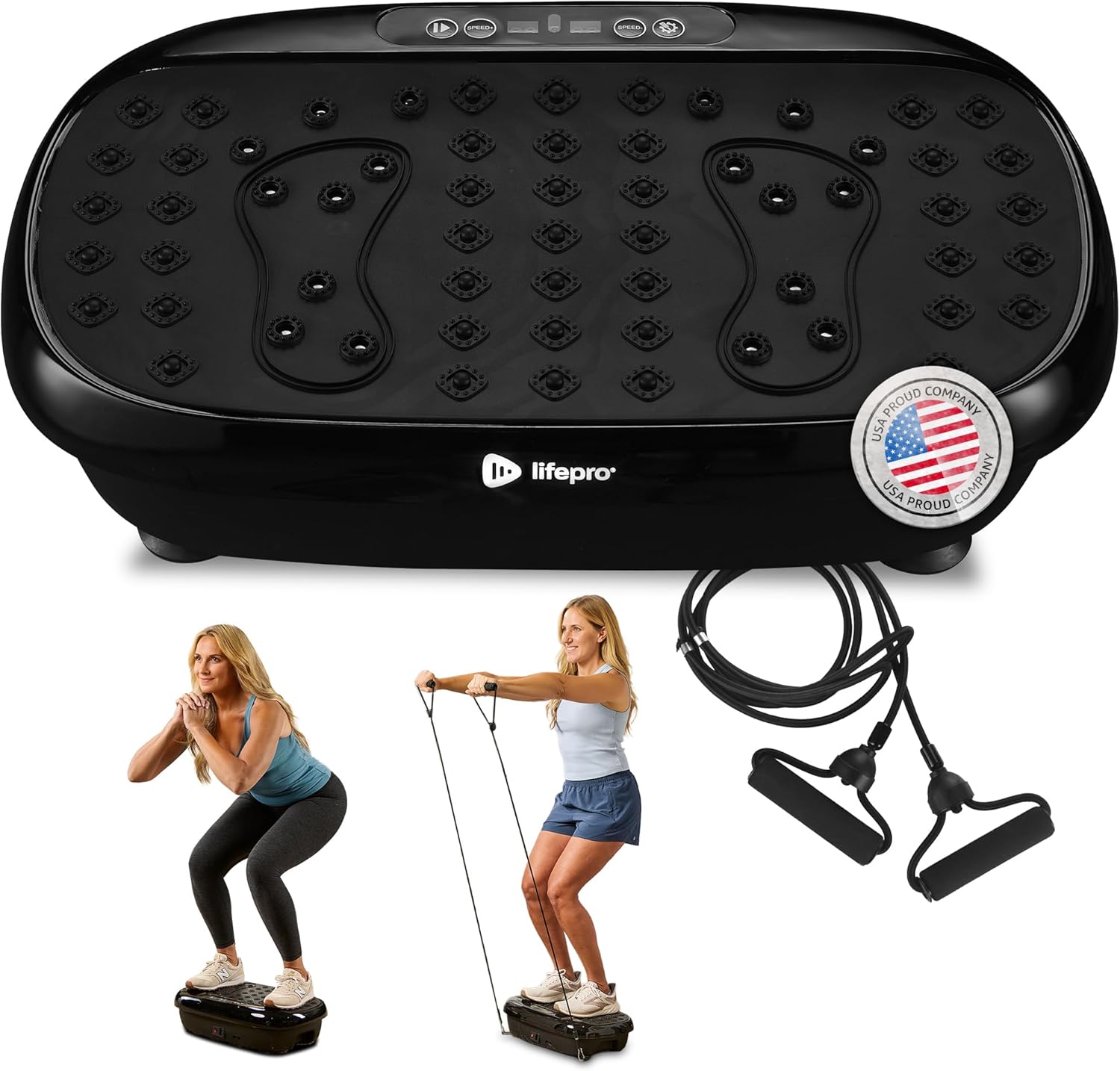
That doesn't mean massage guns are useless. They are excellent for targeting specific trigger points (TFL, glute medius, vastus lateralis) and for pre-workout activation. But for the actual IT band and its surrounding fascia, you need a foam roller. Use the gun for spot work, use the roller for length-tension work, and combine them in a single 15-minute session.
For more on this combined approach, see our guide to foam rolling for IT band syndrome and our breakdown of marathon recovery tools that actually work.
Foam Roller Comparison for IT Band Recovery
| Roller | Density | Length | Best For | Vibration |
|---|---|---|---|---|
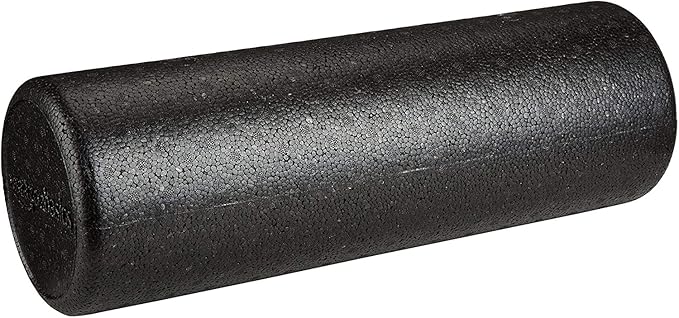
| Amazon Basics High-Density 18" | Firm | 18" | Daily IT band rolling, budget pick | No |
| FITINDEX Vibrating 5-Speed | Firm + vibration | 13" | Combining vibration + pressure | Yes, 5 speeds |
| Krightlink 5-in-1 Set | Varied | Multiple pieces | Full lower-body protocol | No |
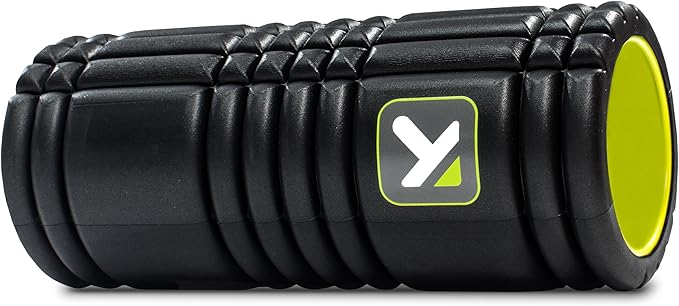
| TriggerPoint GRID 1.0 | Multi-density grid | 13" | Targeted trigger-point release | No |
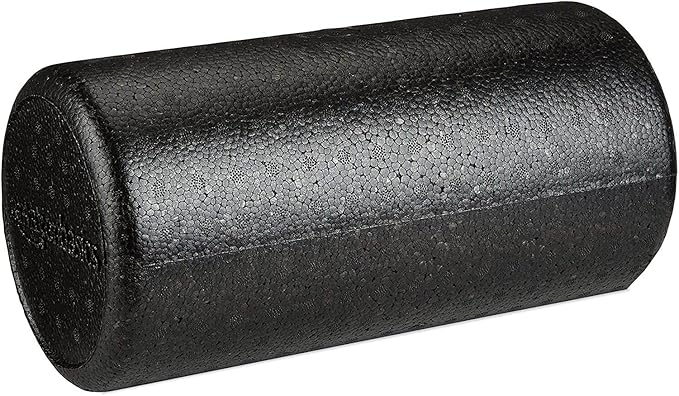
| Amazon Basics Round High-Density | Firm | Various | Travel + classic rolling | No |
Top Foam Roller Picks to Pair with Your Massage Gun
Best Overall Value: Amazon Basics High-Density Foam Roller, 18-inch
For marathon runners on a budget, this is the workhorse. The 18-inch length is long enough to roll your full IT band in a single pass without repositioning, and the high-density foam is firm enough to deliver real pressure without collapsing after a month of use. It's the roller most physical therapists keep stocked in their clinics, and it pairs perfectly with either percussion gun for a complete IT band protocol. Check the Amazon Basics 18-inch foam roller for current pricing.
Best Vibrating Option: FITINDEX Vibrating Foam Roller, 5-Speed
If you want to combine the depth of foam rolling with the neuromuscular benefits of vibration — without buying both a roller and a gun — the FITINDEX delivers. Five speed settings let you adjust intensity for warm-up versus recovery, and it's HSA/FSA eligible, which is significant for runners using health savings accounts to fund recovery gear. The vibration genuinely helps the tissue release faster on tight IT bands. See the FITINDEX vibrating foam roller for marathon-runner pricing.
Best Full Protocol Kit: Krightlink 5-in-1 Foam Roller Set
This set includes a hollow core roller, a textured roller, a massage stick, a massage ball, and a stretching band — covering the full lower-body recovery protocol for runners. For IT band syndrome specifically, you'll use the textured roller for the band itself, the massage ball for the TFL and glute medius trigger points, and the stretching band for IT band and hip stretches. It's the closest thing to a complete clinic-in-a-box. Browse the Krightlink 5-in-1 set.
Best for Trigger Points: TriggerPoint GRID 1.0 Foam Roller
The patented multi-density GRID surface mimics the feel of a massage therapist's hands — firmer ridges for trigger-point pressure and softer channels for fascial glide. For runners whose IT band syndrome is driven by specific knots in the vastus lateralis or TFL, the GRID's varied texture finds and works those spots better than smooth rollers. It's also remarkably durable. Check the TriggerPoint GRID 1.0 for current pricing.
Best Travel Pick: Amazon Basics High-Density Round Foam Roller
For runners doing destination marathons in 2026, a smaller round roller fits in a checked bag and still delivers proper pressure. The classic round shape is also what most rehab protocols are designed around, so it pairs cleanly with PT-prescribed routines. See the Amazon Basics round roller.
The Combined IT Band Recovery Protocol
Here is the 15-minute daily protocol that combines either percussion gun with foam rolling for marathon runners managing IT band syndrome:
Minutes 0-3: Foam roll the lateral quad and IT band slowly, full body weight, top of hip to just above the knee. Pause on any tender spot for 30 seconds.
Minutes 3-6: Switch to the massage gun. Target the TFL (small muscle just below the front of your hip bone) and glute medius (upper outer butt) with the dampener attachment for 90 seconds each side.
Minutes 6-9: Foam roll the adductors (inner thigh) and hamstrings — both pull on the IT band indirectly.
Minutes 9-12: Gun the vastus lateralis (outer quad) with slow glides, not stationary pressure.
Minutes 12-15: Static IT band stretch — cross the affected leg behind the other and lean to the opposite side for 60 seconds, twice.
Frequently Asked Questions
Can a Theragun actually fix IT band syndrome in marathon runners?
No, and any honest review will tell you that. A Theragun manages symptoms — tight TFL, sore vastus lateralis, stiff glutes — but the underlying cause of IT band syndrome is almost always biomechanical: weak hip abductors, overstriding, or a training spike. The Theragun is a recovery tool that supports rehab, not a cure. Combine it with hip-strengthening exercises and a structured foam-rolling protocol for actual resolution.
How long should marathon runners use a massage gun on the IT band?
Never directly on the IT band itself — the band is dense connective tissue that doesn't respond to percussion and can become irritated. Instead, spend 60 to 90 seconds on each surrounding muscle: TFL, glute medius, vastus lateralis, and upper hamstring. Total session should be 8 to 12 minutes, daily during peak training, twice weekly during base building.
Is the Hypervolt 2 powerful enough for serious IT band issues?
For mild to moderate cases, yes. For chronic, deep adhesions in the TFL or glute medius — the kind that have been bothering you for months — the Hypervolt 2's 14 mm amplitude can feel underpowered compared to the Theragun Elite's 16 mm. If your IT band syndrome has persisted through a full marathon training cycle, the deeper-amplitude device is worth the extra investment.
Should I use a vibrating foam roller instead of a massage gun for IT band syndrome?
A vibrating roller like the FITINDEX is a legitimate alternative if you want one tool instead of two. It combines the sustained pressure of foam rolling with neuromuscular vibration, which is exactly what IT band fascia responds to. The tradeoff is you lose the ability to target small trigger points the way a gun head can. For most runners, a basic foam roller plus a mid-tier percussion gun is more versatile than a vibrating roller alone.
How often should I foam roll the IT band during marathon training in 2026?
Daily during weeks with mileage above 40, including a full session immediately after long runs. During taper and recovery weeks, three times per week is sufficient. Always roll before and after speed workouts. The runners who avoid IT band syndrome are not the ones who roll harder — they are the ones who roll consistently.
Can I use a massage gun before a marathon to prevent IT band pain?
Yes, but use a low speed and short bursts — 30 seconds per muscle group, focused on activation rather than recovery. Heavy percussion immediately before running can temporarily reduce muscle output and proprioception. Save the deep work for after the race and the recovery days that follow.
What's the verdict for theragun elite vs hypervolt 2 for IT band syndrome in chronic cases?
For chronic cases that have lasted more than 8 weeks, choose the Theragun Elite. The 16 mm amplitude reaches the deep TFL and glute medius adhesions that drive most stubborn IT band syndrome, and the included guided app routine is specifically designed for runner's knee patterns. For new or mild cases, the Hypervolt 2 is easier to use daily, which matters more than peak power. For more comparisons of recovery tools, see our percussive therapy vs vibration guide.
Key Takeaways
- Choosing the right theragun elite vs hypervolt 2 for IT band syndrome means matching capacity and output ports to your actual devices
- Always check actual watt-hours (Wh), not just watts — runtime depends on Wh, not peak output
- Also covers: theragun elite IT band runners
- Also covers: hypervolt 2 marathon runner recovery
- Also covers: best massage gun IT band syndrome
- Compare price-per-Wh across models to find the best value for your budget